MHRA clarifies UK position on microbiome-based medicines
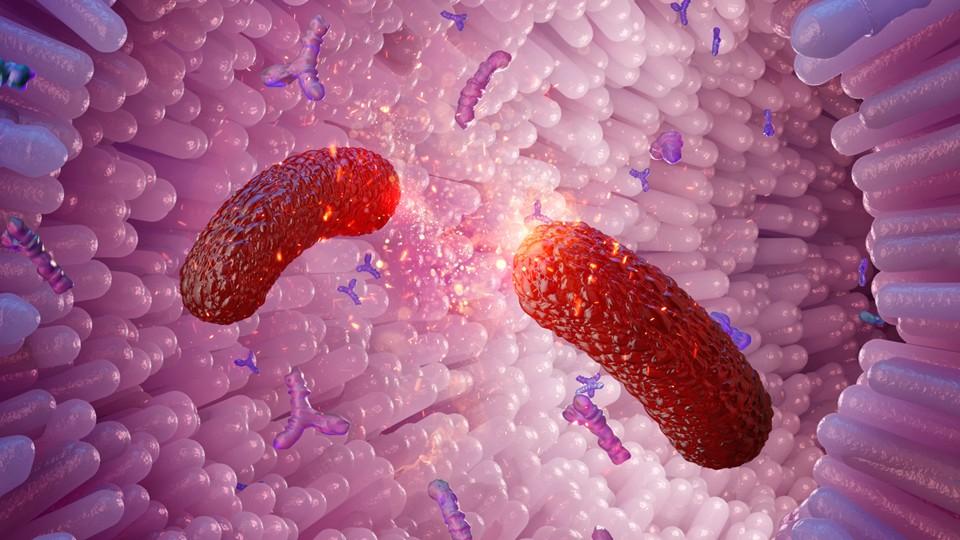
The Medicines and Healthcare products Regulatory Agency (MHRA) has published its position paper clarifying how microbiome-based medicines can be made available for patients in the UK.
Microbiome-based medicinal products (MBMPs) represent an emerging class of therapeutics with the potential to address areas of significant unmet clinical need. MBMPs are medicines that work through modulating, restoring, or replacing the human microbiome and they represent a promising new category of therapies with the potential to address areas of significant unmet clinical need, such as antimicrobial resistance (AMR).
The purpose of the position paper is to encourage the development and licensing of these products in the UK, where there are currently no microbiome-based medicinal products with marketing authorisation approvals. This is in contrast to the US, where two donor-derived microbiota products have been licensed.
Some countries have authorised a small number of donor-derived microbiota products for Clostridioides difficile (C. difficile) infection, including the US FDA. pharmaphorum recently spoke with Sam Possemiers, CEO of MRM Health, who believes that the space is finally coming into maturity. At his own company, that’s in the form of a drug for ulcerative colitis that he hopes to see complete its phase 3 trial in late 2027.
Nevertheless, microbiome interventions are already used in clinical practice and research in the UK through alternative regulatory routes, such as for faecal microbiota transplantation (FMT). FMT is available under clinical trial authorisations and as an unlicensed medicine manufactured under MHRA oversight via “specials” manufacturing arrangements. The position paper also clarifies existing arrangements for FMT in the UK.
The Human Medicines Regulations 2012 (SI 2012/1916) regulate medicinal products (for human use). The Regulations include a definition of a medicinal product and, if a product is captured within that definition, strict regulatory requirements apply to the product and its manufacture, distribution, supply, and advertisement. The UK MHRA considers MBMPs to be within scope of the existing UK medicines regulatory framework.
The position paper classifies an MBMP as “a medicinal product intended for the prevention, treatment, or diagnosis of disease in humans, whose principal therapeutic effect is mediated through the modulation, restoration, replacement, or functional activity of the human microbiome, and which contains as active substance(s) live microorganisms, a defined consortium of microorganisms, a complex microbial ecosystem, or non-viable microorganisms or their derived components.”
With the position paper, the MHRA encourages applicants to submit marketing authorisation applications for MBMPs, stating that, “[t]hese may be regulated as biological medicinal products under the Human Medicines Regulations 2012, as MBMPs are derived from a biological (living) source, and in some cases as advanced therapy medicinal products (ATMPs) where the legal criteria are met.”
Many microbiome products exhibit intrinsic biological variability, whether due to multi-strain composition, donor dependence, or dynamic behaviour during manufacture and storage. Developers must therefore provide robust scientific justifications to address Chemistry, Manufacturing and Controls (CMC) expectations and consider requirements as described in ICH quality guidelines, including for the development and manufacture of drug substances as described in ICH Q11 (PDF).
The EU Regulation on Substances of Human Origin (SoHO) introduces a distinct regulatory framework for certain microbiome-derived interventions within the EU from 2027 (Regulation (EU) 2024/1938). However, UK Government consultation regarding SoHO regulation is currently in progress and future guidance is anticipated. Under current legislation and the Windsor Framework, though, the SoHO regulation will apply in Northern Ireland, but not in Great Britain. Once the review has concluded, a decision will be made about potential changes to legislation.
Given the scientific novelty, regulatory complexity, and potential international divergence in expectations, early engagement with the MHRA is recommended.