Lilly trumpets heart health data with Mounjaro
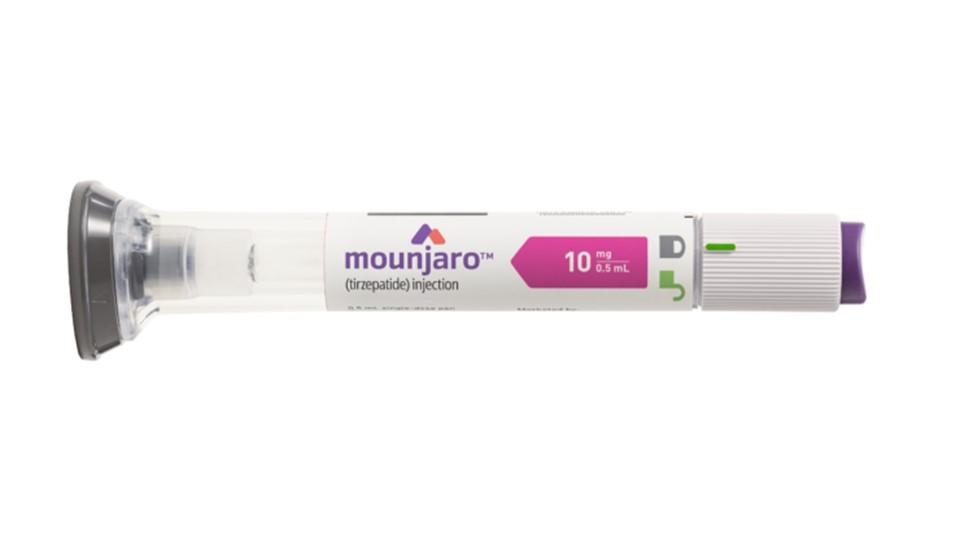
Eli Lilly has raised the stakes in its rivalry with Novo Nordisk on GLP-1 agonists for diabetes, with new data for Mounjaro on cardiovascular outcomes.
The results of the SURPASS-CVOT trial showed that dual GLP-1/GIP agonist Mounjaro (tirzepatide) was as effective as Lilly's older GLP-1 drug Trulicity (dulaglutide) in reducing major adverse cardiovascular events (MACE) in adults with type 2 diabetes and established atherosclerotic cardiovascular disease.
Mounjaro – which competes in the market with Novo Nordisk's GLP-1 agonist Ozempic (semaglutide) – was 8% better than Trulicity at preventing cardiovascular death, heart attack, or stroke over five years, with consistent effects across all three MACE endpoints, while all-cause mortality was 16% lower.
Cardiovascular disease is the main cause of death and disability among people with type 2 diabetes, and adults with the disease are two to four times more likely to develop CVD than adults without diabetes.
Lilly's head of cardiometabolic health, Kenneth Custer, said the results of the study "strengthen the case for Mounjaro as a potential front-line treatment for people with type 2 diabetes and cardiovascular disease."
Shares in the company slipped slightly on the data, however, reflecting the hope that Mounjaro might actually show superior results in the study than Trulicity, which could lose patent protection from 2027.
Ozempic has been approved since 2020 by the FDA for cardiovascular risk reduction in adults with type 2 diabetes and heart disease, based mainly on the results of the SUSTAIN 6 trial, which achieved a 26% reduction in MACE compared to placebo.
Lilly said it intends to file for approval to extend the indications for Mounjaro to include cardiovascular risk reduction later this year. If approved, that would remove a competitive advantage for Novo Nordisk's drug, which has already come under pressure from data showing that Mounjaro was more effective than Ozempic at controlling blood glucose levels in the SURPASS-2 study.
Earlier this week, Novo Nordisk said it was slashing its full-year sales guidance, citing a hit on demand for its GLP-1-based therapies for diabetes and obesity in the US that it put down to the persistence of compounded versions of semaglutide in the market, as well as competitive pressures.
Detailed results for SURPASS-CVOT will be presented at the European Association for the Study of Diabetes (EASD) annual meeting in September, said Lilly.
The company is also running a cardiovascular outcomes study of its higher-dose formulation of tirzepatide, Zepbound, in patients with obesity and heart disease, with results due in 2027.
Novo Nordisk already has FDA approval in that setting for its obesity therapy, Wegovy, based on the results of the SELECT trial, which showed a 15% reduction in MACE and 19% fall in all-cause mortality compared to placebo.
Zepbound is already making gains on Wegovy, however, on the back of weight-loss data from the head-to-head SURMOUNT-5 study.