Kyverna builds case for CAR-T in stiff person syndrome
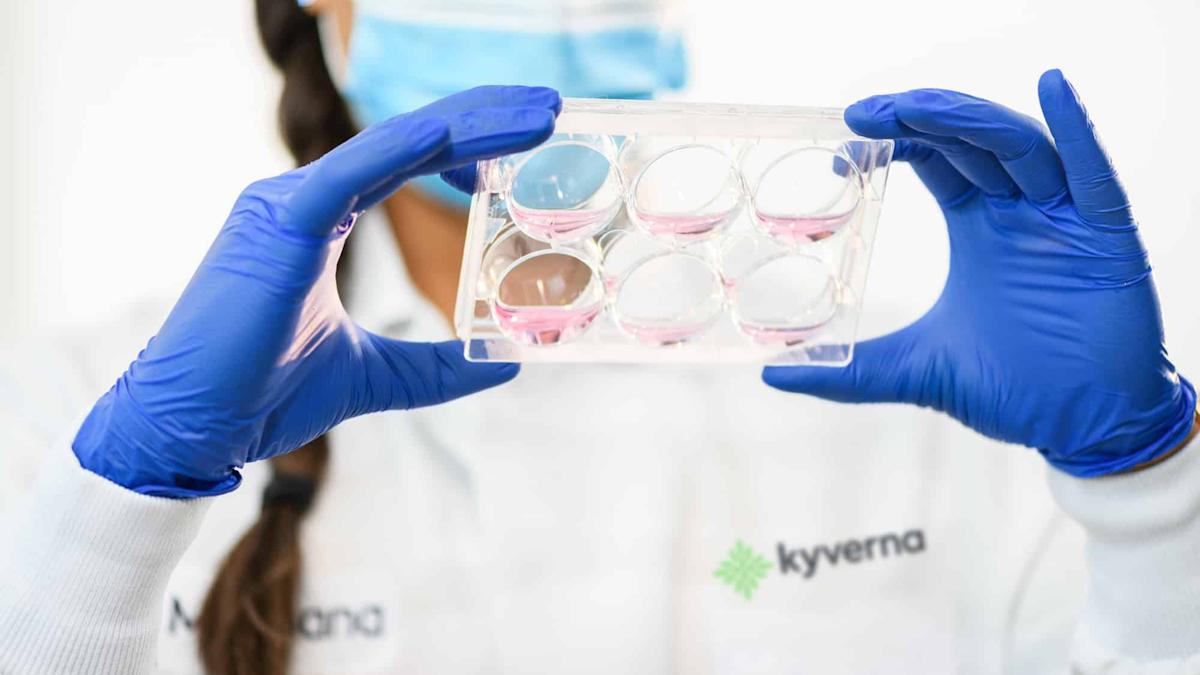
Kyverna Therapeutics has reported new data with its cell therapy for the rare autoimmune disease stiff person syndrome (SPS), miv-cel, that reinforces its safety as it prepares to complete a rolling FDA filing before the end of this year.
One-year results from the pivotal, phase 2 KYSA-8 study show sustained efficacy for the CAR-T therapy and, according to the company, none of the safety concerns that have raised question marks of late over two other CAR-T candidates for autoimmune diseases.
Clinical holds have been placed on Novartis' rap-cel (rapcabtagene autoleucel) and Bristol Myers Squibb's zola-cel (zolacabtagene autoleucel) – both CD19-directed candidates in development for a wide range of autoimmune diseases – after inflammatory reactions were seen in trials and, in the case of rap-cel, patient deaths.
Miv-cel is an anti-CD19 CAR-T and also stimulates CD28, a strategy designed to reduce the risk of serious side effects.
SPS is a progressive disorder of the central nervous system (CNS) that is characterised by progressive rigidity and painful spasms of muscle, particularly the limbs, head, and neck, and can be triggered by being startled, experiencing stress, cold, and/or exercise.
The condition gradually worsens over time and, if untreated, can lead to permanent disability and even death in some cases. There are no treatments approved specifically for SPS, and patients are currently managed with off-label drugs like muscle relaxants and immunosuppressants.
According to Kyverna, the new KYSA-8 results show that the improvement on the Timed 25-Foot Walk (T25FW) efficacy measure, which was 46% at week 16 in an earlier readout, came in at 49% at the 12-month mark.
There were no cases of high-grade cytokine release syndrome (CRS) or immune effector cell-associated neurotoxicity syndrome (ICANS) with the cell therapy, and no cases of immune effector cell-associated haemophagocytic lymphohistiocytosis-like syndrome (IEC-HS), which has been encountered with rap-cel and zola-cel.
"In SPS, we continue to see powerful evidence that a single dose of miv-cel has the potential to reset the immune system, reverse disease progression, and free patients from chronic immunotherapies, delivering sustained clinical benefit and a well-tolerated safety profile," said the California biotech's chief medical officer, Naji Gehchan.
Kyverna intends to add the new data to its rolling biologics license application (BLA) for miv-cel, which should be completed in the fourth quarter and gives the company a chance to win the first FDA approval for a CAR-T for an autoimmune disease.
New gMG data also positive
Meanwhile, Kyverna also reported new results from the phase 2/3 KYSA-6 trial in generalised myasthenia gravis (gMG), another autoimmune condition that causes neuromuscular symptoms.
As with the SPS trial, a "clinically meaningful" efficacy readout in seven subjects – based on the MG-ADL and QMS symptom scales – was maintained in five evaluable patients who had been followed for at least 12 months, with most of them also remaining off immunotherapy at the latest follow-up.
A phase 3 portion of the KYSA-6 trial is ongoing, with enrolment due to be completed in mid-2027, said the company.