Iterum brings first oral penem antibiotic to US market
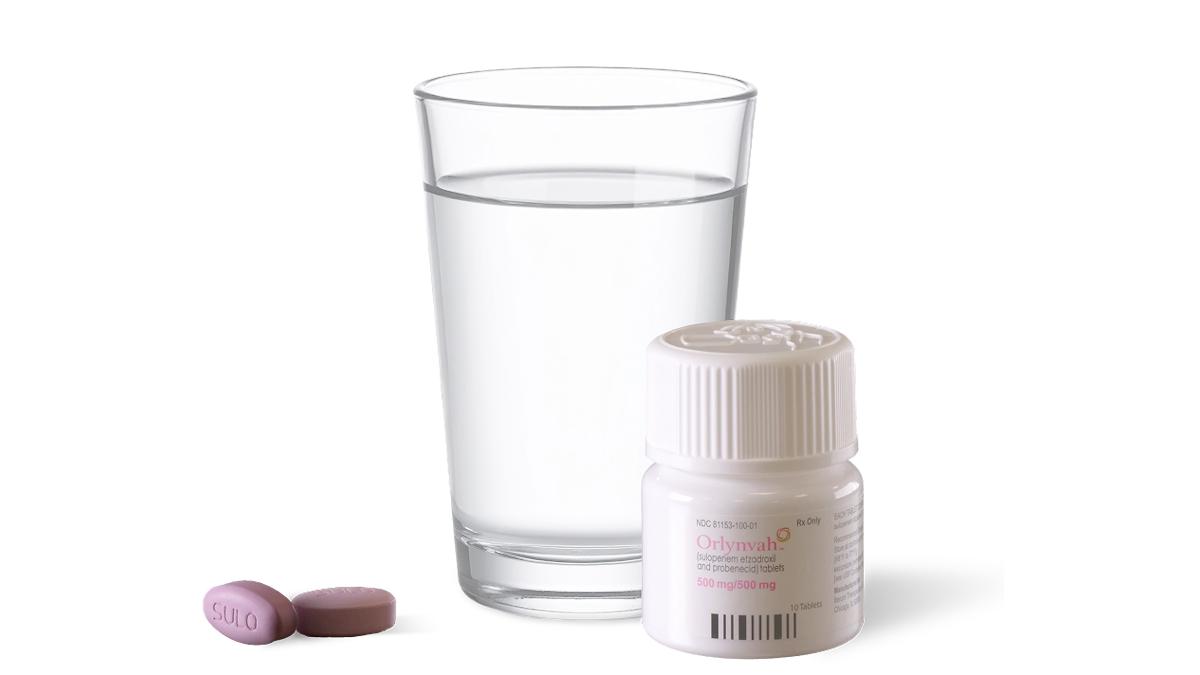
Iterum Therapeutics has become the first drugmaker to bring an oral antibiotic in the penem class to market in the US, launching Orlynvah as a treatment for uncomplicated urinary tract infections (uUTIs).
The launch of the product – which comes a few months after Orlynvah (sulopenem etzadroxil and probenecid) was approved by the FDA – keeps the Dublin, Ireland-headquartered biotech ahead of rival companies bidding to bring new therapies for uUTIs to the US market.
That includes GSK with Blujepa (gepotidacin) – which was approved in March by the FDA as the first drug with a new mechanism of action for uUTIs in nearly three decades – as well as Alembic Pharma with Pivya (pivmecillinam), cleared for uUTIs in 2024 and acquired when Alembic bought Utility Therapeutics last month. Both Blujepa and Pivya are due to be launched in the US before the end of the year.
Specifically, Orlynvah was given a green light by the FDA for adult women with uUTIs caused by Escherichia coli, Klebsiella pneumoniae, or Proteus mirabilis with limited or no alternative oral antibacterial options. It was initially turned down by the agency, which issued a complete response letter (CRL) to Iterum in 2021 with a request for more data.
According to Iterum, it is the first new branded product to be introduced in the US for uUTIs in more than 25 years and offers "a critical option for patients and physicians facing a shrinking arsenal of effective oral therapies." It is also the company's first commercial-stage product.
In the pivotal REASSURE study, which read out in January 2024, Orlynvah was shown to be statistically non-inferior to Augmentin (amoxicillin/clavulanate) in achieving an overall response – a combination of a clinical cure plus microbiologic eradication.
Almost two-thirds (60%) of women experience a UTI in their lifetime, and 44% experience three or more episodes annually, making it the most common outpatient infection encountered in women in the US. There are estimated to be approximately 40 million prescriptions annually in the US for uUTIs.
Antimicrobial resistance (AMR) is an increasing problem, with one study last year involving 150,000 patients with uUTIs finding that more than half (57%) were resistant to at least one antibiotic class and 13% were resistant to three or more.
As an oral option, Orlynvah provides an alternative to injectable carbapenems, which are the main treatment option for resistant infections, and could allow patients to be treated more easily outside hospitals.