ILiAD bags $115m for pertussis vaccine, and other financings
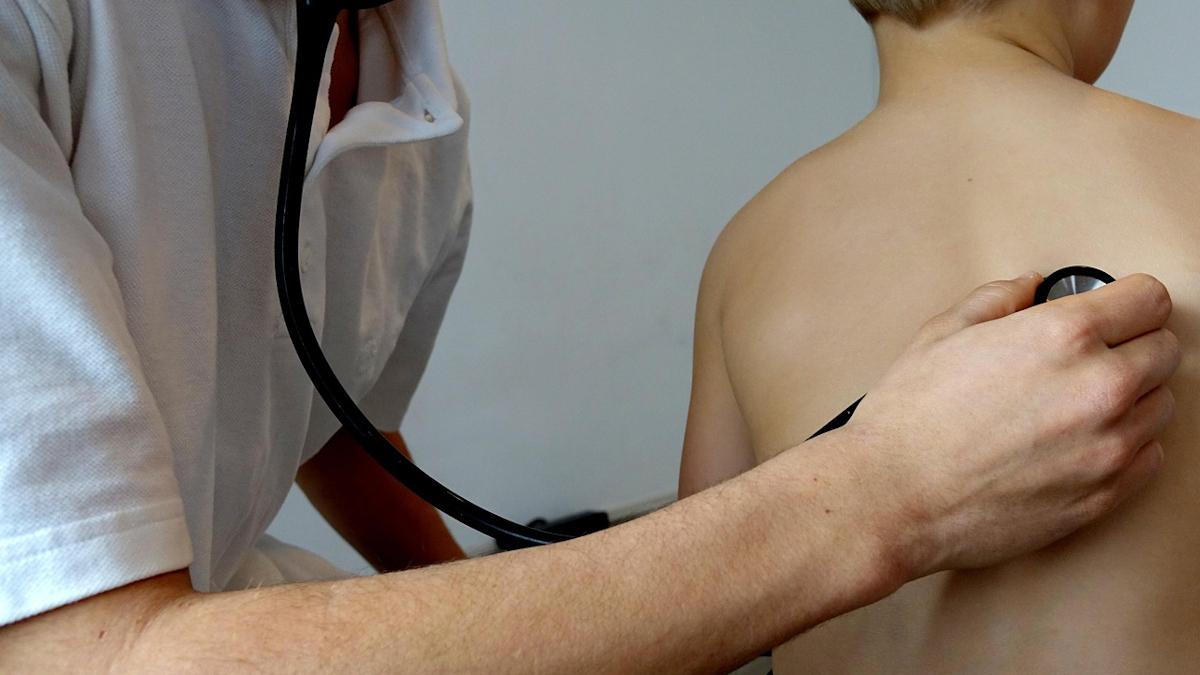
ILiAD is banking on BPZE1's needle-free administration to encourage broader uptake of vaccination against pertussis, as cases rise in Europe and the US.
ILiAD Biotechnologies leads this week's round-up of new private financings in the biopharma sector, with a $115 million Series B investment that will be used to test a new type of whooping cough (Bordetella pertussis) vaccine.
The Florida, US biotech's BPZE1 candidate is a live, attenuated pertussis vaccine delivered as an intranasal formulation, licensed by ILiAD from the Institut Pasteur de Lille and Inserm in France. The spray is designed to induce long-lasting protection both mucosally – in the nose and nasal passages – as well as systemically in the body.
ILiAD's oversubscribed round comes as cases of whooping cough are rising in Europe and the US, driven by lower take-up of current childhood vaccines, leading to reduced population immunity. The bacterial infection is characterised by violent coughing fits that sometimes end in a whoop-like gasp for breath.
The company is banking on BPZE1's needle-free administration to encourage broader uptake of vaccination, while hopefully offering a more natural and durable immune response that can prevent both disease and transmission. Armed with the new funding, it is planning to start a pivotal human challenge trial later this year, with a readout in 2027.
The new funding round was led by RA Capital Management, with participation from new investors Janus Henderson Investors and BNP Paribas, as well as existing backers including an unidentified multinational pharma company and AI Life Sciences.
Other financings
Also this week, New Jersey, US, and Shanghai, China-based QuantX Biosciences – which specialises in computational drug discovery – raised $85 million in Series B funding that will be deployed in the development of two small-molecule, oral therapies for immunological and inflammatory diseases.
QuantX's two candidates, still in preclinical development, are a STAT6 inhibitor and an IL-17 inhibitor. The second-round financing takes the total raised by the company to date to more than $130 million and was co-led by LAV and Sanofi Ventures, with new backer Hongshan also joining alongside existing investors.
Irish start-up Aerska only emerged from stealth with a $29 million seed round last October, but has already added to its coffers with a $39 million Series A led by EQT Dementia Fund and Age1, with participation from Iaso Ventures and existing investors.
The Dublin-based company was founded to advance a brain shuttle technology to develop RNA interference medicines for central nervous system diseases, using an antibody-oligo conjugate (AOC) platform that supports intravenous or subcutaneous administration.
Galux, a Seoul, South Korea-based biotech developing AI-designed protein therapeutics, raised $29 million in second-round financing that will be used to refine its GaluxDesign platform, build up its R&D infrastructure, and advance various preclinical-stage programmes involving high-affinity antibodies against a range of therapeutic targets.
Existing backers InterVest, DAYLI Partners, and PATHWAY Investment participated, alongside new investors including Yuanta Investment, Korea Development Bank (KDB), SL Investment, NCORE Ventures, SneakPeek Investments, Korea Investment & Securities, and Mirae Asset Securities.
Finally, India-US start-up Pandorum Technologies completed an $18 million Series B that will be used to support clinical development of exosome-based therapies, focusing initially on ocular surface diseases, such as Stevens–Johnson syndrome and neurotrophic keratitis.
The new funding – led by Protons Corporate, with participation from Galentic Pharma, marquee investor Ashish Kacholia, Noblevast Advisory and Avinya Fund, Burman Family, and others – will support clinical trials of lead candidate Kuragenx, described as a 'liquid cornea', in the US, Asia, and the Middle East, and the scale-up of international manufacturing capacity.