Grail cancer test gets lukewarm backing from FDA adcomm
The good news for Grail is that the FDA's panel of external experts voted in favour of its Galleri test for multiple cancers at a meeting yesterday. The bad news is that the discussions revealed some had misgivings about the blood test – even if they voted for it.
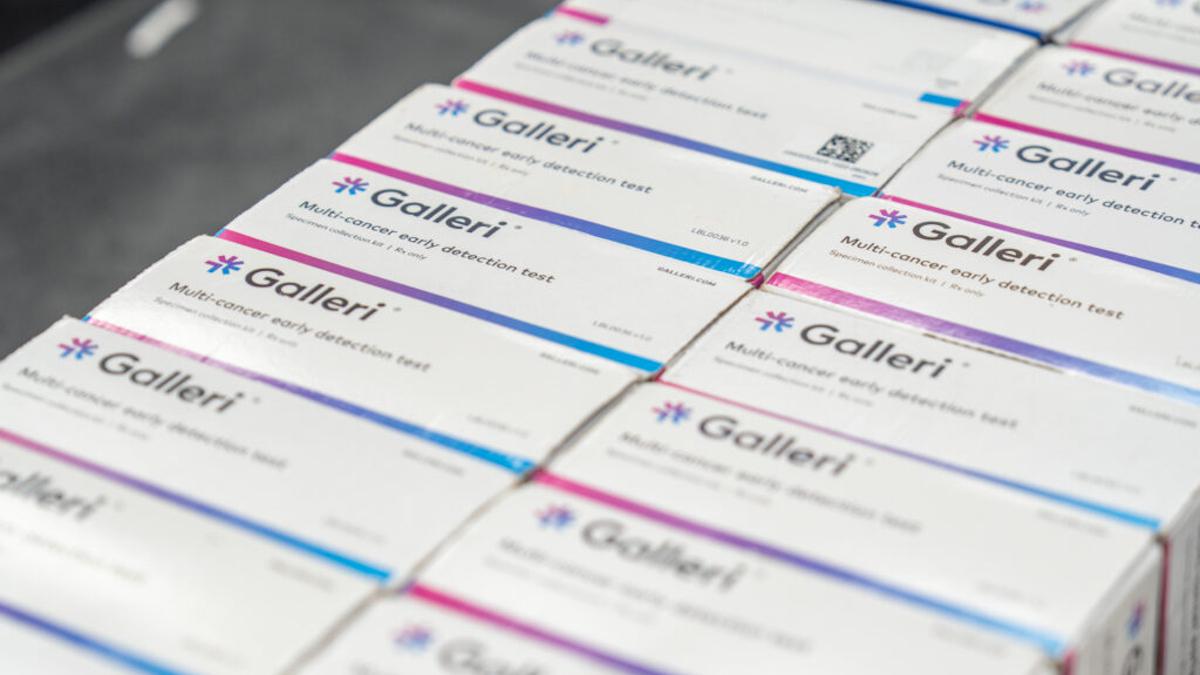
The multi-cancer early detection (MCED) test is designed to detect up to 50 different types of cancer in the early stages by detecting chemical changes in fragments of cell-free DNA (cfDNA) that leak from tumours into the bloodstream.
The panel voted three times on Grail's marketing application for Galleri, contemplating its safety, efficacy, and overall risk-benefit profile. While all the committee members agreed it was safe, the other two results were less conclusive, with a six-to-four vote in favour of Grail's efficacy and a seven-to-two – with one abstention – that the benefits of Galleri outweigh its risks.
One member of the panel, gastroenterologist Jason Dominitz at the University of Washington, said he voted in favour despite "serious concerns" about its approval.
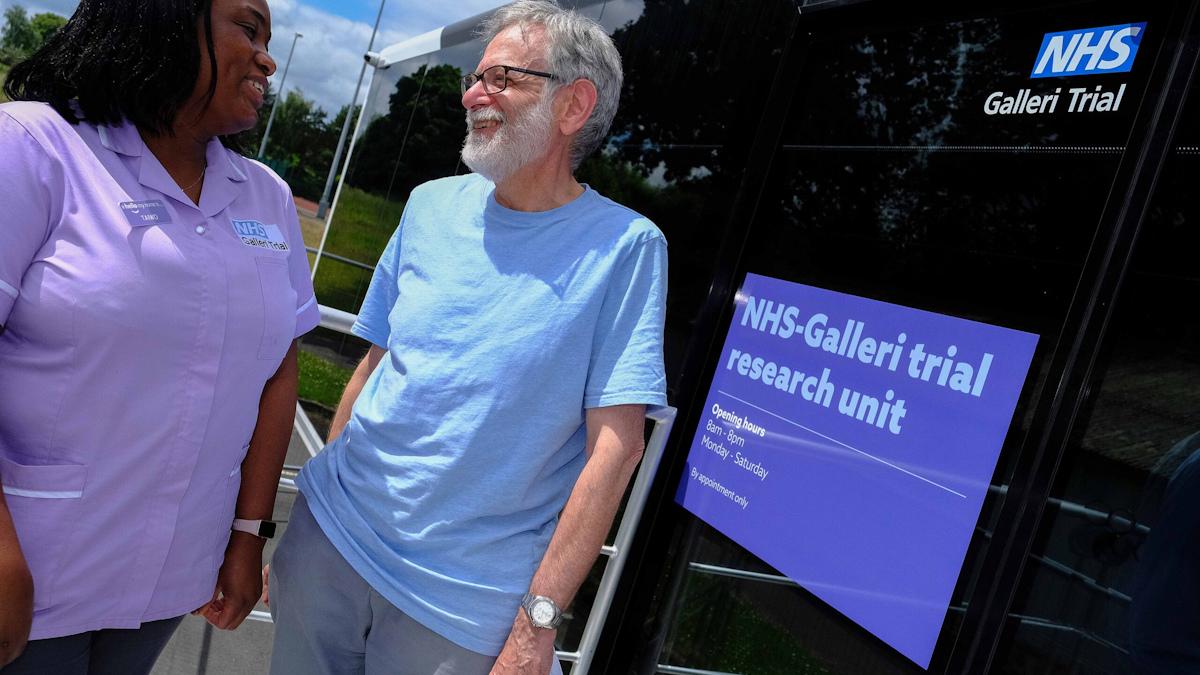
The advisory committee meeting comes a few months after a large-scale trial in the UK, the NHS-Galleri study involving 142,000 patients over three years, showed that it was unable to reduce stage 3 and 4 cancers among subjects who used it compared to those who did not.
Galleri is already available to patients who are prepared to pay out-of-pocket for the test, but FDA approval – assuming it is forthcoming – could open the way for more widespread, reimbursed usage.
The FDA's experts looked at data from NHS-Galleri, as well as the US and Canadian PATHFINDER 2 study, which enrolled more than 35,000 subjects and showed that the test was able to increase cancer detection 6.5-fold when added to recommended screenings for breast, colorectal, cervical, and lung cancers.
Meanwhile, around 70% of the cancers detected by Galleri were types that currently lack standard national screening recommendations, such as pancreatic, ovarian, and liver cancers.
Shares in Grail, which had already risen by around a third ahead of the advisory committee meeting after an FDA briefing document raised no major issues with the marketing application, ticked up a little after the vote as analysts said the outcome raised the chances of approval, albeit with some uncertainty remaining about the label claim. The company now has a market cap of $4.85 billion.
"The Galleri test was developed to improve the effectiveness and efficiency of our national cancer screening programme by adding multi-cancer early detection to recommended screening – helping find more cancers safely, when they may be easier and less costly to treat, and it still may be possible for a patient to receive treatment with curative intent," said Josh Ofman, Grail's chief executive.
"We believe the panel's recommendations reaffirm a high evidence bar that Grail has set for a multi-cancer early detection test," he added.
The FDA is due to deliver its decision on Galleri in the next few months, likely in early 2027.