Falling flu vaccine sales in US stall CSL's Seqirus spinout
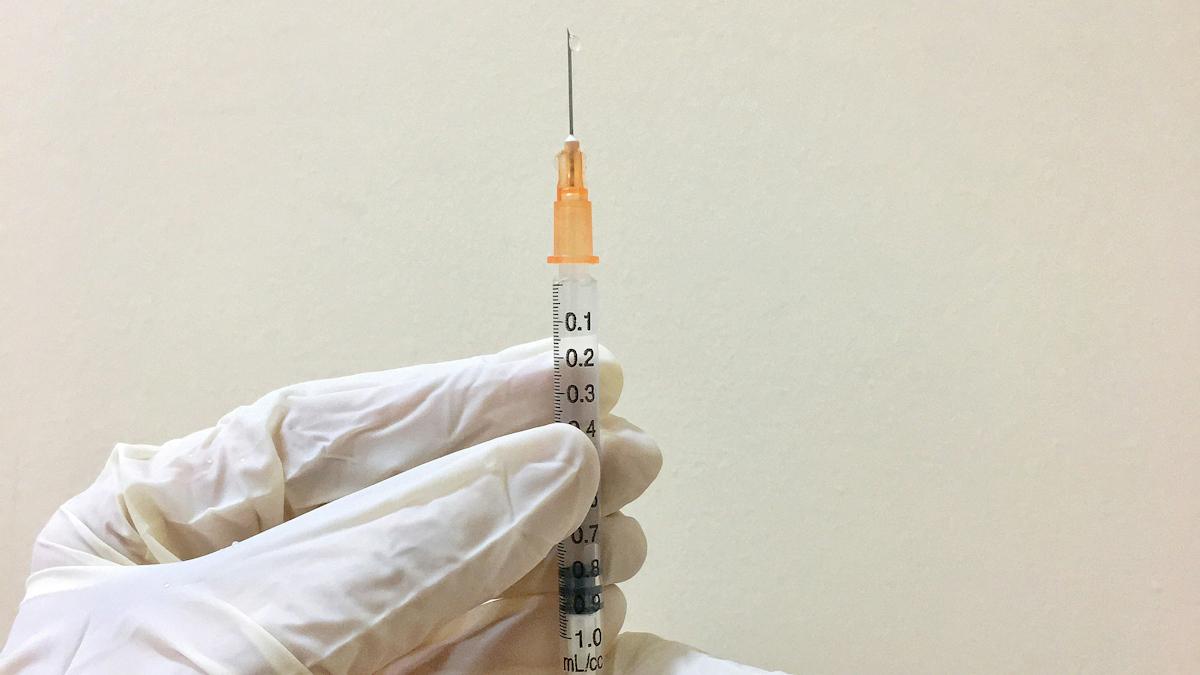
CSL has said that with flu jab rates in the US down between 12% and 14% this year, it has decided to delay the planned spinout of its Seqirus vaccines business and cut its profit forecast for the financial year.
The Australian group announced the change of heart at its annual meeting in Melbourne, after saying in August that Seqirus would be listed as a separate entity on the Australian Securities Exchange by the end of the 2026 financial year. At the same time, it also announced that it would cut its workforce by around 15%, reduce the number of its R&D facilities, and shut down underperforming facilities in its plasma business.
CSL's already depressed share price sank further on the news of the delay, which chairman Dr Brian McNamee said was related to a "remarkable" fall in flu vaccination rates in the US, which is seeing a rise in vaccine scepticism under the Trump administration and Health and Human Services (HHS) Secretary Robert F Kennedy Jr.
The decline has come despite an unprecedented level of infection impacting public health in the US, according to the company, which is predicting a 12% fall in flu vaccination rates overall and a 14% decline in the 65 and over age bracket.
"Given the heightened volatility in the current US influenza vaccine market, we have concluded that advancing with the previously proposed demerger timing will not fully capture Seqirus' value potential," McNamee told investors.
He added that the intention remains to separate the business as the logic behind the move still makes sense, but indicated it would now take place beyond the 2026 fiscal year when market conditions stabilise. "We can't see the bottom of the US vaccination realities today," he told the meeting.
CSL cuts its full-year revenue growth forecast to 2% to 3%, from an earlier prediction of 4% to 5%, and its net profit growth to 4% to 7% from 7% to 10%.
Group 2025 revenues rose 5% to $15.6 billion, driven by haemophilia drugs and plasma-derived therapies, while Seqirus sales rose 2% "as significantly lower immunisation rates in the US were offset by avian flu pandemic response."
The company did not expand on the reasons for the US decline in prepared remarks, in fact, it alluded to "a positive recommendation from the US administration on influenza vaccines."
It's worth noting that US flu vaccination rates have been declining since the end of the COVID-19 pandemic, which was followed by a backlash against vaccine mandates. However, recent measures at HHS with regard to vaccines overall under Kennedy may have exacerbated negative sentiment, including restrictions on COVID-19 vaccines, raising doubts about the safety of mRNA shots, and the removal of respected expert figures from vaccine regulation and advisory roles.
Photo by Kristine Wook on Unsplash