CSL will slash headcount and hive off vaccine business
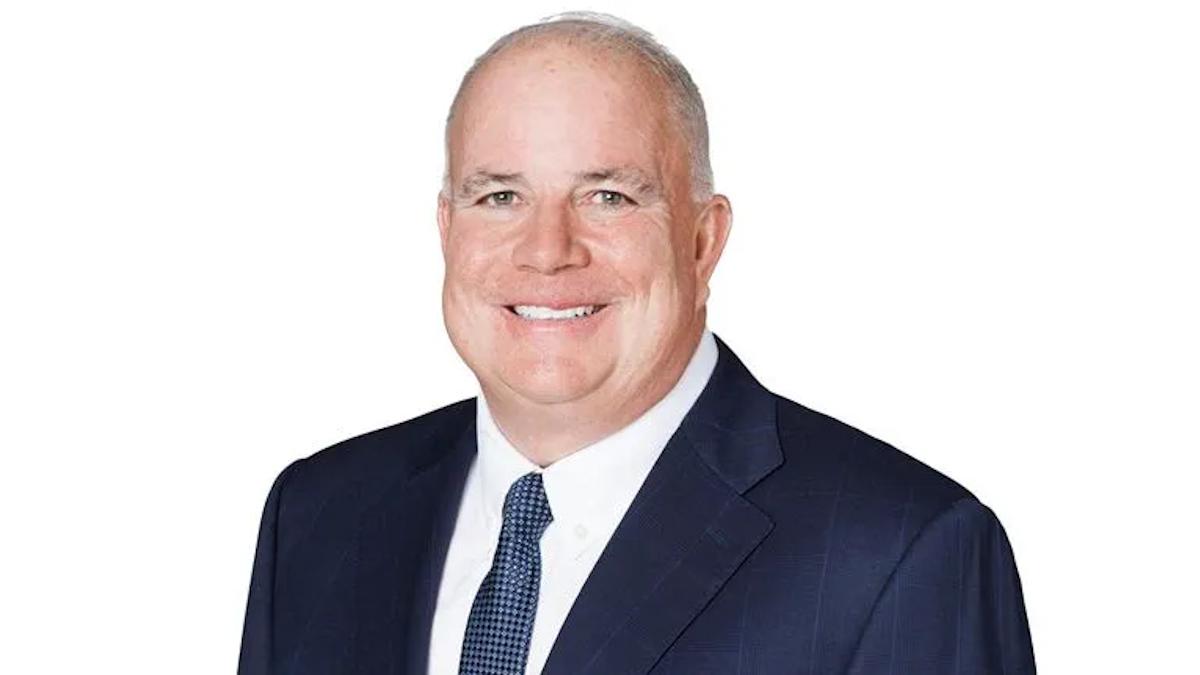
CSL chief executive Dr Paul McKenzie.
Australia's CSL is wielding the axe, cutting its workforce by 15% – around 3,000 positions – while announcing plans to spin its vaccines unit into a standalone company.
The decision to demerge the CSL Seqirus business into a separate ASX-listed company will allow it to "set an independent strategic direction" in the "highly dynamic vaccines market," said CSL in its full-year results update.
Meanwhile, the remainder of the group will continue to focus on its plasma therapy business and specialty medicines for rare and serious diseases, including new therapies like hereditary angioedema (HAE) therapy Andembry (garadacimab) and haemophilia B gene therapy Hemgenix (etranacogene dezaparvovec).
CSL Seqirus, which operates mainly in the flu vaccine category, reported revenue up 2% for the fiscal year, which CSL chief executive Dr Paul McKenzie said was a good result in a "challenging environment" marked by reduced rates of flu vaccination in the US and competitive pressures. The company said, however, that it had claimed 90% of all global avian flu contracts in the year.
The vaccine unit is working on a new adjuvanted, trivalent flu vaccine made using cell-based manufacturing, trying to move the needle on preventive efficacy, and is also developing a self-assembling RNA (saRNA) platform to extend its scope beyond flu and into new areas like COVID-19.
Given the recent shift in the US regulatory climate against RNA-based vaccines for infectious diseases under the Trump administration, it's notable that CSL Seqirus highlighted efforts to bring saRNA COVID shots to Europe and Japan in the financial update.
Once separated, CSL Seqirus to be chaired by Gordon Naylor, a former president of the division, said CSL.
Other changes to the group in the restructuring include a "consolidation" of its R&D footprint from 11 sites to six, saving money that can be invested in its internal pipeline as well as external partnerships, and combining some administrative functions of the biotherapeutics division CSL Behring, and CSL Vifor, which focuses on kidney disease and iron deficiency treatments. It has also shut down 22 "underperforming" centres in its plasma network – all part of an effort to trim $500 million off its cost base.
"We are announcing transformational initiatives to reshape and simplify the business, enhance clinical and commercial execution and provide a platform for CSL to focus on our core strengths," said McKenzie.
"These changes are designed to focus our organisation on three Ps: Pipeline, Productivity and People," he added. "They will make us match-fit and instil a lean and efficient mindset, reduce complexity and simplify our operating model."