
EU first to clear AbbVie's Rinvoq for alopecia areata
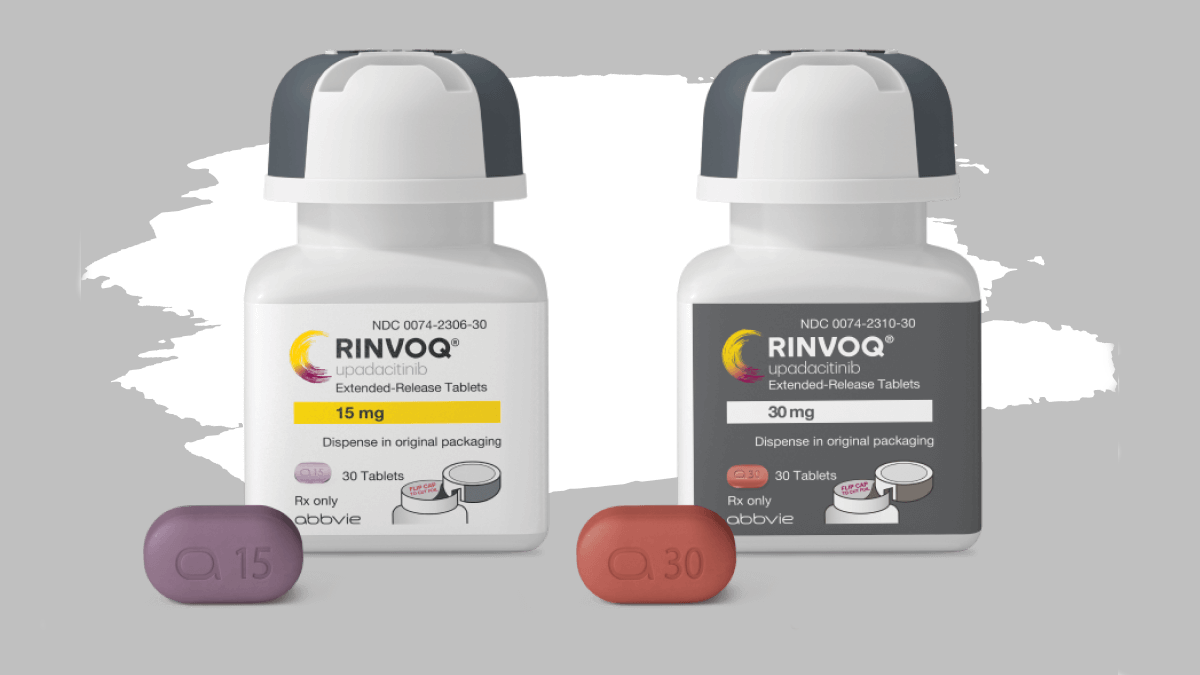
AbbVie's fast-growing JAK inhibitor Rinvoq has been cleared for alopecia areata in the EU, the first market for the hair loss disorder, adding to a lengthening list of approved indications for the blockbuster brand.
The green light from the European Commission comes ahead of a decision on the new use for Rinvoq (upadacitinib) in the US, and makes the drug the third JAK inhibitor to be approved for alopecia areata in the EU after Eli Lilly's Olumiant (baricitinib) and Pfizer's Litfulo (ritlecitinib). Another drug in the class, Sun Pharma's Leqselvi (deuruxolitinib), has been approved in the UK.
Impacting approximately 2% of the population at some point during their lifetime, alopecia areata can affect people of any age, gender, race, or ethnicity. Prevalence of the unpredictable autoimmune disorder peaks between 10 and 30 years of age, and almost 20% of people are diagnosed before the age of 18.
Analysts think that alopecia areata could represent a $1 billion-plus market opportunity worldwide for the JAK inhibitor class, as current treatment relies on corticosteroid drugs, which suppress the immune system, but can have serious side effects if used long-term.
Rinvoq is approved for adolescents aged 12 and over and adults with alopecia areata, based on the results of the phase 3 UP-AA clinical programme in which the drug achieved statistically significant scalp hair regrowth – a Severity of Alopecia Tool (SALT) score of 20 or more – as well as improvements in eyebrows and eyelashes at week 24.
According to AbbVie, Rinvoq is the first JAK inhibitor to achieve complete scalp hair regrowth, a SALT score of zero, compared to placebo at week 24 in a phase 3 trial. The company's head of R&D, Roopal Thakkar, said the drug "provides another option for patients who continue to navigate physical and mental burden associated with severe alopecia areata, often overlooked due to stigma."
The new approval is Rinvoq's ninth in the EU, adding to a list of disorders that already includes atopic dermatitis, radiographic axial spondylarthritis, psoriatic arthritis, rheumatoid arthritis, ulcerative colitis, Crohn's disease, giant cell arteritis, and vitiligo.
It will add to the already considerable momentum behind the drug, which is AbbVie's second-largest product – with sales rising around 39% to $8.3 billion last year – and a patent life that should extend for another decade at least in most world markets.













