Diagnostics lag is holding back new therapies, says study
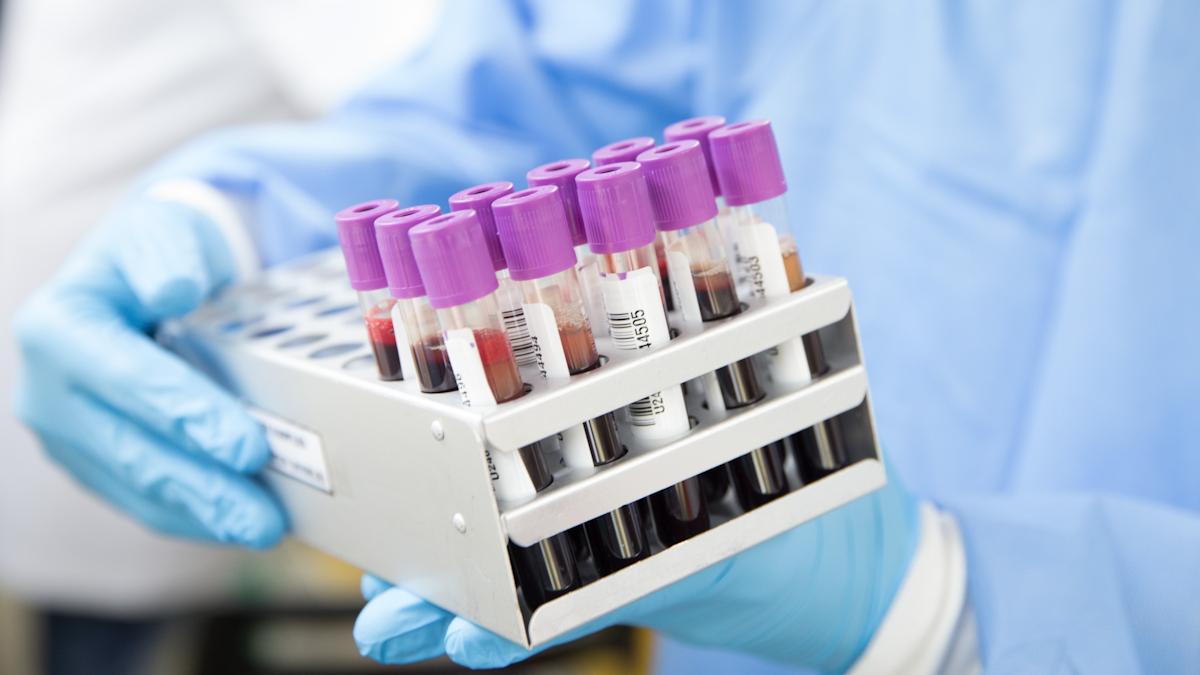
Researchers in the US have said that advances in therapeutics are outpacing the development of diagnostics to guide their use, due to policy gaps and payment barriers around the world.
The team, from the University of California San Francisco (UCSF), say that disparities in the regulation and reimbursement of therapeutics and diagnostics are "slowing progress against major diseases" as "without the right tests, the best medicines make no difference."
For example, many people do not respond to GLP-1 drugs for obesity and diabetes, but few tests exist yet to predict which patients will benefit, although, a study reported earlier this week pointed to genetic variations that could guide treatment more effectively.
The new analysis has been published in the journal Science, and suggests that diagnostics have historically received lower investment, insurance coverage, and payment rates than drugs, creating a disincentive for their development.
As a result, access to diagnostics is uneven and often inadequate around the world, particularly in lower- and middle-income countries, they report, with an estimated 47% of the world's population having limited or no access.
"Most people can easily understand how a new drug or surgery might help a patient, but the tests that guide medical decisions are just as critical," said Kathryn Phillips, a professor of health economics in UCSF's School of Pharmacy and the lead author of the paper.
Her co-authors are former FDA Commissioner Robert Califf of Duke University and Danea Horn, a researcher in UCSF's Center for Translational and Policy Research on Precision Medicine.
Another case that exemplifies the obstacles in diagnostics lies in Alzheimer's disease, where new blood tests that can guide the use of the first disease-modifying therapies – Eisai/Biogen's Leqembi (lecanemab) and Eli Lilly's Kisunla (donanemab) – are expensive and rarely qualify for insurance coverage, leaving doctors to make medical decisions without important information.
The researchers note that, even though they are essential to care, diagnostic tests are often handled apart from the treatments they support, while the regulators and payers handle them differently and drugs are also much more likely to receive expedited FDA review than tests.
Policymakers should take steps to fix these gaps, including reviewing tests and treatments together, streamlining approvals for diagnostics, and improving how they are evaluated and paid for.
"Regulatory and payment policy should evolve in tandem with scientific and technological advances," said Califf, who stepped down as FDA Commissioner at the start of President Trump's second term.
"The current misalignment between how we evaluate diagnostics for consideration of allowing marketing and the system for reimbursement decisions about diagnostics versus drugs leaves powerful tools on the shelf and provides inadequate data to make good decisions about which diagnostic tools should be eschewed for lack of benefit in the real world."
Image by Ahmad Ardity from Pixabay