Chinese trial backs base-editing drug for thalassaemia
A landmark study in China has shown that a base-editing therapy developed by CorrectSequence Therapeutics achieved stellar results in patients with the severe blood disorder beta-thalassaemia.
The ex vivo therapy, CS-101, has been tested in an investigator-led trial in five patients with transfusion-dependent beta-thalassemia who received autologous CD34 stem cells modified with the base editor to reactivate the production of a foetal form of haemoglobin.
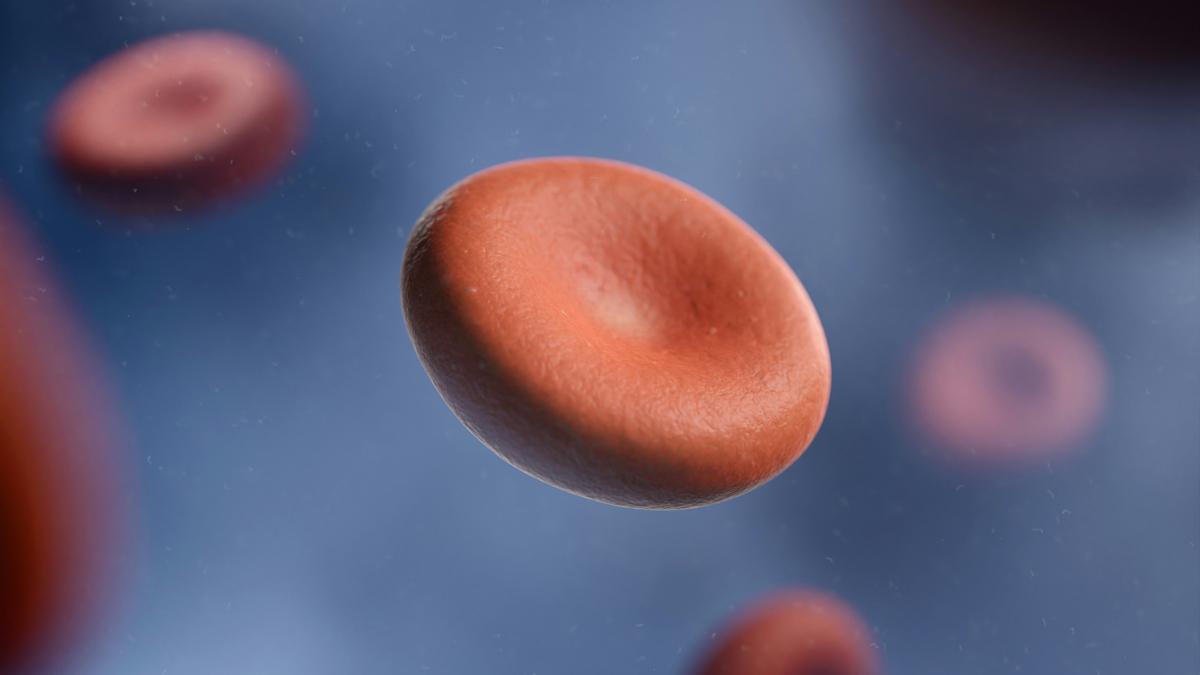
In beta-thalassaemia, mutations in the beta-globin gene mean that patients have deficient production of the adult form of haemoglobin. In severe cases, they have to have blood transfusions every two to five weeks to survive, a burdensome treatment that also places them at risk of complications like iron overload and infections.
In the trial, all five patients were able to discontinue transfusions after a single infusion of CS-101-modified stem cells, with rapid and sustained increases in haemoglobin levels over three months of follow-up. Remarkably, patients became transfusion-independent within an average of just 16 days, according to the researchers, who have published their findings in the journal Nature.
Shanghai-based CorrectSequence is one of the pioneers of the base-editing approach to gene-editing, which can be used to convert one nucleotide base into another without cutting both strands of DNA, unlike other technologies like CRISPR/Cas9. Theoretically, base-editing should be more accurate and have a reduced risk of off-target changes that could cause side effects.
CorrectSequence said that, compared to CRISPR-based therapies for beta-thalassaemia, CS-101 demonstrated "faster activation of foetal haemoglobin, more rapid hematopoietic recovery, and earlier restoration of normal haemoglobin levels."
The only gene-editing therapy approved for beta-thalassaemia at present is Vertex Pharma's CRISPR-based Casgevy (exagamglogene autotemcel), which has been cleared in the US and Europe for patients aged 12 and older with transfusion-dependent beta-thalassaemia who lack a suitable donor for stem cell transplant.
Donor stem cell transplantation was the only curative option for patients for many years, but its use is limited by donor availability, the risk of immune rejection, and high treatment costs, said CorrectSequence.
The company thinks CS-101 – which has now been used to treat around 20 patients in the US and internationally – has the potential to become the world's first approved base-editing therapy. Last year, it also reported encouraging clinical results in a patient with chylomicronaemia treated with its CS-121 base editor targeting the APOC3 gene.
Other companies working on base-editing technologies include Beam Therapeutics of the US, which is developing a similarly acting ex vivo therapy for sickle cell disease (SCD), called ristoglogene autogetemcel, that showed efficacy in a phase 1/2 trial published in the New England Journal of Medicine earlier this month and could be submitted for FDA approval before the end of the year.
Photo by digitale.de on Unsplash