Boehringer drug scores in rare kidney disease FSGS
A drug being developed by Boehringer Ingelheim for COVID-19 and reinvented as a potential therapy for kidney disease has now hit the mark in a phase 2 trial.
TRPC6 inhibitor apecotrep (BI 764198), which reached midstage testing for COVID-19 before being discontinued in 2021, is one of an emerging generation of drug candidates that privately-held Boehringer said in 2024 was the best in its history.
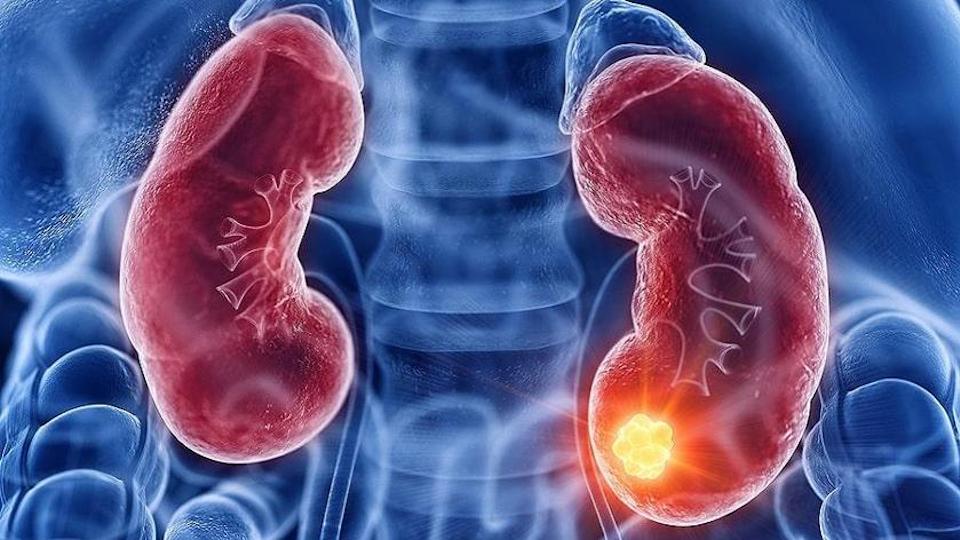
In its new incarnation, apecotrep has been shown to reduce protein in the urine (proteinuria) – a biomarker for kidney disease – in people with primary focal segmental glomerulosclerosis (FSGS), a rare disease characterised by the loss of cells in the kidney (podocytes) responsible for filtering the blood and generally leads to renal failure.
There are currently no approved targeted therapies for FSGS, which is at present managed mainly with corticosteroids, immunosuppressants, and drugs like ACE inhibitors designed to reduce the load on the kidneys. It is thought that TRPC6 is overactive on podocytes, allowing excessive calcium to enter the cells, which in turn causes damage and loss of viability.
In the phase 2 trial, which has been published in The Lancet, treatment with apecotrep at a dose of 20 mg resulted in a 40% reduction in proteinuria compared to placebo after 12 weeks of treatment.
"This is the first evidence of efficacy with a podocyte-targeted therapy in FSGS," write the authors of the paper, led by Prof Howard Trachtman of the University of Michigan in the US.
"These clinically relevant findings reinforce the importance of further investigation of its potential as a first-in-class targeted treatment for primary FSGS, where the unmet need remains high," said Trachtman.
Boehringer said it has already started recruiting patients for a phase 3 trial programme for apecotrep in primary FSGS, while another phase 2 study looking at other proteinuric kidney diseases will start in the first quarter of this year.
"The results underscore Boehringer's scientific leadership in kidney health and deep commitment to people living with cardiovascular, renal, and metabolic diseases, including rare kidney conditions like FSGS," said Paola Casarosa, the German company's innovation head.
Boehringer already has a strong presence in kidney disorders with blockbuster SGLT2 inhibitor Jardiance (empagliflozin), used to treat chronic kidney disease (CKD). Along with apecotrep, its pipeline includes aldosterone synthase inhibitor vicadrostat (BI 690517), which is in phase 2 for CKD.
Meanwhile, other drugs in clinical testing for FSGS include Roche/Chugai's ETA and AT1 inhibitor Filspari (sparsentan) – already approved for IgA nephropathy and in phase 3 for FSGS – as well as Amicus/Dimerix's CCR2 inhibitor DMX-200, which is also in late-stage human testing.
Image sourced from Epic Health