AstraZeneca’s volrustomig hits Phase 3 setback in lung cancer
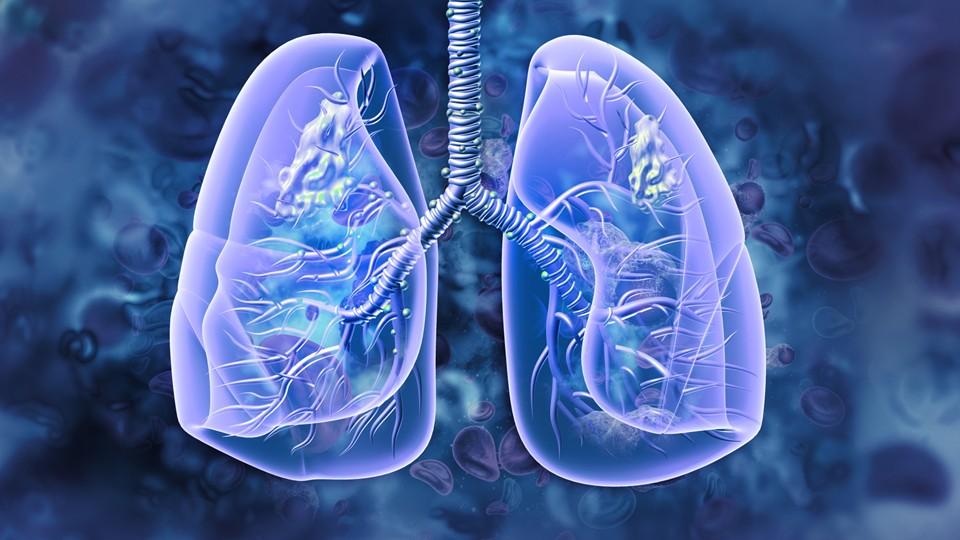
In another blow to its late-stage pipeline, AstraZeneca has pulled the plug on a phase 3 trial of its lung cancer treatment volrustomig, after data revealed it was unlikely to meet its primary endpoints.
Volrustomig is a dual checkpoint inhibitor bispecific antibody designed to deliver coordinated and targeted PD-1 and CTLA-4 blockade on the same T-cell. AstraZeneca had been evaluating the drug as both monotherapy and in combinations in several tumour types with high unmet need as part of the eVOLVE-Lung02 trial.
eVOLVE-Lung02 was a global, randomised, open-label, multi-centre Phase III trial evaluating volrustomig in combination with chemotherapy as a first-line treatment for patients with metastatic non-small cell lung cancer (mNSCLC) whose tumours express PD-L1 at less than 50%.
The trial enrolled 895 patients across 25 countries. Participants were randomised 1:1 to one of two treatment arms. In the first, patients received 750 mg of intravenous volrustomig alongside chemotherapy every three weeks for four cycles, followed by volrustomig alone every three weeks. The comparator arm consisted of 200 mg pembrolizumab plus chemotherapy every three weeks for four cycles, followed by pembrolizumab every three weeks. Treatment continued for up to 24 months, or until disease progression or another discontinuation criterion was reached.
The decision to discontinue the trial followed a recommendation from the Independent Data Monitoring Committee, which found that the drug, when combined with chemotherapy, was unlikely to improve progression-free survival or overall survival compared to Merck’s blockbuster Keytruda and chemotherapy.
The announcement is the latest in a series of disappointments for the UK-based drugmaker. Last month, the company’s shares were shaken by the surprise failure of its transthyretin amyloidosis (ATTR) therapy, Wainua, followed by a relatively minor late-stage failure for its rare disease drug Ultomiris (ravulizumab) in thrombotic microangiopathy after haematopoietic stem cell transplant.
Susan Galbraith, executive vice president, oncology haematology R&D, AstraZeneca, called the decision a “disappointment,” but vowed to continue efforts to improve outcomes for patients.
She said: “While we are disappointed, we will learn from this trial and are determined to continue pioneering new medicines from our industry-leading pipeline in our quest to improve outcomes for patients with lung cancer.”
It’s not all doom and gloom for AZ, however, as the company has reported positive read-outs from two other late-stage lung cancer trials, with Tagrisso plus Orpathys and the Daiichi Sankyo-partnered Enhertu both meeting key end goals.