AI could lead to 'golden age' of antibiotics
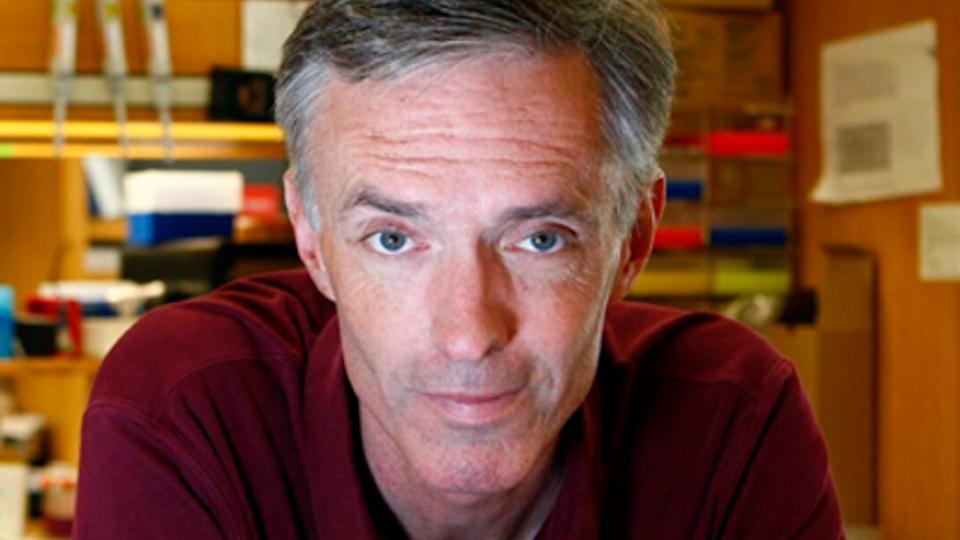
Prof Jim Collins.
Artificial intelligence could hold the key to turning back the rising tide of antimicrobial resistance (AMR), according to researchers at Massachusetts Institute of Technology.
Researchers from MIT have used generative AI (genAI) algorithms to design novel antibiotics that can treat two 'superbugs' – drug-resistant Neisseria gonorrhoeae and multi-drug-resistant Staphylococcus aureus (MRSA) – in both petri dishes and animal models.
While they will still need years of additional development and clinical testing before they could be ready to be prescribed to patients, the scientists behind the project think their approach could accelerate the rollout of new antimicrobials that work in a completely new way to existing drugs.
They point out that only a few dozen new antibiotics have been approved by the FDA in the last 45 years, generally concentrated into a few drug classes, and overuse has resulted in a big rise in antibiotic resistance. Globally, it is estimated that AMR infections cause nearly 5 million deaths per year.
While AI has been applied to the design of new antibiotics from existing libraries of compounds, including by this MIT team led by professor of medical engineering and science Jim Collins, the new project expands the search into molecules that can't be found in any chemical libraries.
The first stage of the approach was to direct genAI algorithms to design molecules based on a chemical fragment that showed antimicrobial activity. They then gave them free rein to come up with drug molecules, without that specific fragment, and they discarded anything that resembled an existing antibiotic.
From an initial database of around 36 million computationally-designed molecules, they discarded those likely to cause toxicity or be hard to synthesise, eventually drilling down to a pair of candidates for gonorrhoea and six for MRSA.
Lab and animal testing revealed a candidate called NG1 with activity against gonorrhoea that seems to work by interacting with a protein called LptA involved in the synthesis of the bacterial outer membrane.
The MRSA project yielded one candidate dubbed DN1 that also seemed to interfere with membrane synthesis, but had a broader effect that was not limited to interaction with one specific protein.
"Our work shows the power of AI from a drug design standpoint, and enables us to exploit much larger chemical spaces that were previously inaccessible," said Collins. "We're excited about the new possibilities that this project opens up for antibiotics development."
Now, the MIT team has partnered with non-profit organisation Phare Bio – co-founded by Collins – to work on modifications to NG1 and DN1 that could make them suitable for human testing, a process that is expected to take one to two years.
"We are exploring analogues, as well as working on advancing the best candidates preclinically, through medicinal chemistry work," said Collins.
"We are also excited about applying the platforms […] toward other bacterial pathogens of interest, notably Mycobacterium tuberculosis and Pseudomonas aeruginosa."