Women's health: Predictions for 2026
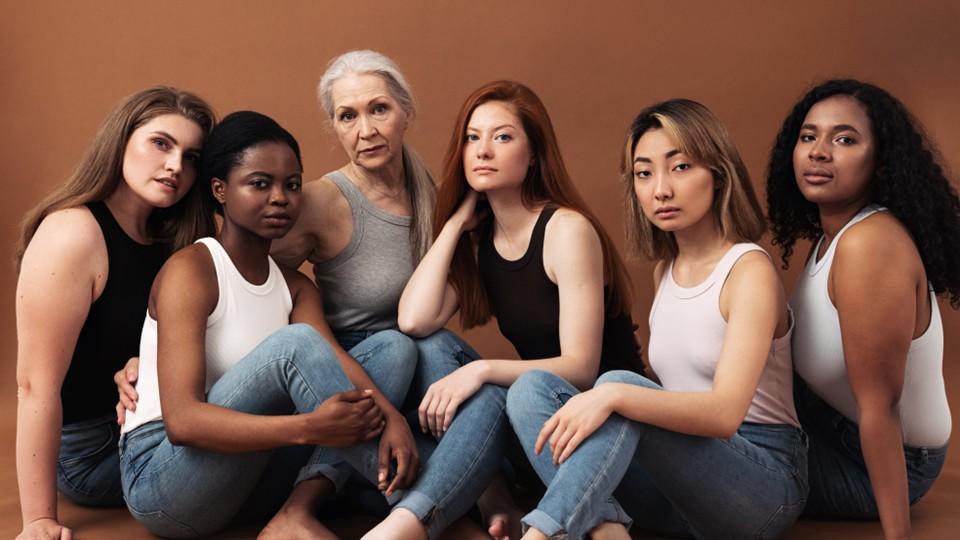
Melinda French Gates has just called 2026 the year we “finally stop tolerating women’s suffering,” which sets a really high bar for industry players, national health systems, and governments.
In 2025, women’s health moved from recognition to getting foundations in place, with new funding vehicles, national strategies, and innovative solutions starting to reshape the underlying infrastructure of women's care – 2026 will reveal whether we can convert that groundwork into measurable outcomes for women and, consequently, a revenue driver.
Prediction 1: Menopause as a systems-level responsibility
Menopause will be treated as a serious medical and longevity inflection point, rather than a lifestyle inconvenience. This shift started in 2025 with such events as the FDA’s removal of the 22‑year HRT black box warning, facilitating access to care. And countries like Finland released the first ever clinical guidelines on menopause, which frame menopause within cardiovascular, bone, and brain health, rather than isolated symptom control.
In 2026, employers will increasingly be judged not only by whether they offer “menopause support”, but by whether they align benefits and occupational health with these emerging clinical standards – covering evidence-based HRT, specialist consultations, and flexible work arrangements that respond to symptom severity and long-term risk. With mounting evidence of productivity loss, absenteeism, and higher healthcare costs linked to unmanaged menopause, boardrooms will face pressure to treat menopause as a core workforce and risk-management issue.
Prediction 2: Women’s brain health as a $250bn opportunity
Growing evidence linking menopause, cardiovascular risk, autoimmune disease, and neurodegeneration brings attention back to women’s brain health as a distinct research and investment domain, traditionally neglected. Women's brain health is estimated as a $250 billion opportunity, representing 26% of the famous $1 trillion gap.
In 2026, expect to see the first explicitly women’s brain health theses – from funding and acceleration programmes to corporate venture arms – connecting midlife hormonal care with long‑term cognitive outcomes. And that's where wearables and digital platforms will play an important role to generate longitudinal datasets on sleep, mood, cognition, and vasomotor symptoms, serving as a foundation for novel interventions.
Prediction 3: Reimbursement will lag clinical and technological change
While 2025 brought numerous women's health innovations, reimbursement mechanisms continue to reflect a male default. A recent analysis of US billing data found that services predominantly used by women were significantly less likely to have specific reimbursement codes and, where codes existed, payment levels and utilisation lagged comparable male-focused services – by 30-40% on average, and in some cases by 150%.
In 2026, innovation in diagnostics, hormonal monitoring, chronic pain and other areas will likely outpace the speed of reimbursement evolution. This misalignment might push start-ups to target out-of-pocket and employer-covered models.
Prediction 4: Pharma partnerships – a choice between proof or posturing?
Over the past few years, pharma has increasingly appeared on women’s health conference stages and in femtech reports. However, deep and long-term pharma-start-ups partnerships are still relatively rare. While strategic collaborations in femtech have tripled over the past decade, health system partnerships now outpace big pharma deals, and many pharma-femtech initiatives remain small pilots or branding exercises.
In 2026, pharma companies will face pressure to commit to deep, multi-year collaborations that deliver sex-specific data, new endpoints for better outcomes for women.
About the author
 Anastasiya Markvarde is a women's health and health innovation strategist, thought leader in women's health, and author of Women's Health Digest. She is a regular contributor to women's health publications and advisor to government organisations and companies.