Fighting fake GLP-1s to protect patients & preserve trust
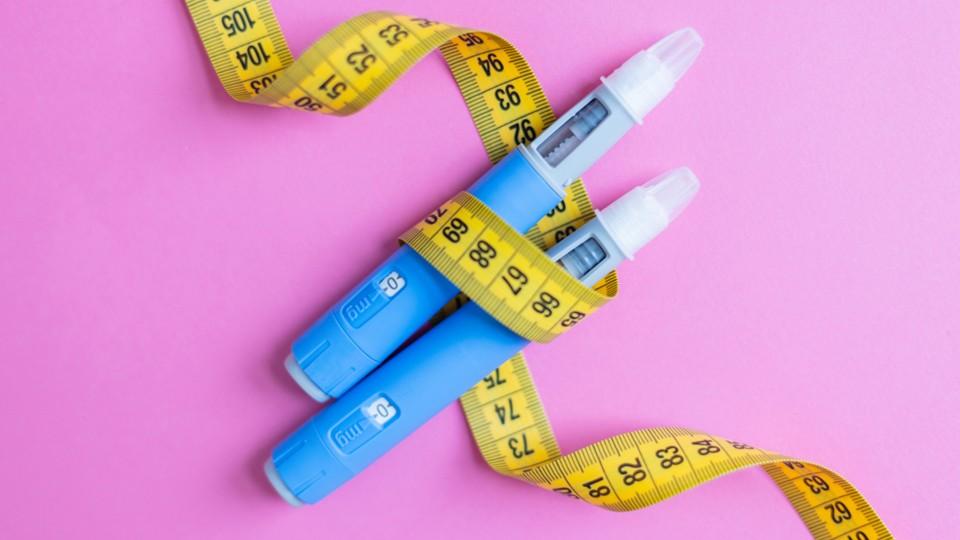
The use of GLP-1s by non-diabetics has risen by 700% since 2019. An alarming statistic largely driven by a consumer frenzy of unsolicited celebrity endorsements and social media amplification validating GLP-1s use as an aesthetic weight loss miracle. This hysteria continues to create fertile ground for counterfeiters who are exploiting demand and are rapidly cashing in to earn their slice of the GLP-1 pie.
Bad actors are promoting and distributing illicit drugs through beauty salons, spas, and illegal online pharmacies, all requiring no prescription. This level of counterfeiting is fast becoming a reputation and patient safety crisis for the pharmaceutical industry. To their credit, pharmaceutical companies are stepping up with patient education programmes addressing questions around safety, as well as efforts to curb the spread of fake GLP-1s. However, this growing problem demands a more coordinated approach using AI driven detection, coupled with industry collaboration and improved regulation.
The rise of counterfeit GLP-1s
It is little wonder that counterfeit activity is on the rise. Data from 2025 suggests that the size of the genuine GLP-1 market was estimated at approximately $63 billion. The same data supports a growth projection for GLP-1s to more than $250 billion in the next eight years, with a sharp increase in websites promoting fake GLP-1 products.
Indeed, recent industry observations show that thousands of online offers for fake pharmaceutical products are currently proliferating across social media, online marketplaces, and unregulated web platforms. These listings can easily appear legitimate at first glance, but dangerous counterfeit versions of GLP-1s are masquerading behind seemingly reputable brand names or logos. The risks that arise from the use of counterfeit GLP-1s are all too real.
Fake weight loss drugs are not confined to obscure corners of the internet either. Paid ads on mainstream social platforms, influencer posts, and social media stories frequently drive unsuspecting users towards unverified sellers that do not ask for a prescription, while promising ‘miracle results’.
The surge around GLP-1s has crystallised a broader industry problem. Put simply, pharmaceutical companies cannot rely on traditional, manual monitoring to keep pace with the speed and scale of online illicit promotion.
Traditional enforcement is falling short
Historically, brand protection in pharmaceuticals focused on supply chain integrity, packaging authentication, and physical anti-counterfeiting measures. While important, these approaches are not fully addressing the digital routes increasingly used by counterfeiters. Even when regulatory partners or platform hosts are notified, enforcement tends to be reactive and slow, allowing illicit content to spread widely before action is taken.
Illicit promotion posts can often persist for months without removal, and clusters of coordinated accounts can rapidly regenerate or republish prohibited listings even when they are removed. Clued-up counterfeiters are operating with automation and agility that pharmaceutical enforcement teams need to match.
The need for AI-driven detection
To close this enforcement gap, the pharmaceutical sector now needs to proactively control, measure impact, and outsmart threats from counterfeiters at speed and scale. This is where AI and machine learning technologies can help by bringing several critical capabilities that manual processes cannot replicate, in a bid to identify and remove harmful online content.
AI-driven automated systems can continuously monitor social networks, search ads, e-commerce listings, forums, and even encrypted channels for suspicious posts and listings that mention brand names, dosing claims, or sales instructions.
Meanwhile AI can help identify behavioural and semantic pattern recognition. Advanced models can detect promotional intent, even when slang is used, or content is designed to evade simple keyword filters. Importantly, AI can link disparate accounts sharing underlying infrastructure like similar metadata or synchronised posting patterns. This flags up coordinated promotion campaigns helping pharmaceutical brand protection teams to triage the most dangerous threats. Critically, when illicit content is identified, systems can generate takedown requests, or notify enforcement teams in near real-time, dramatically reducing the window in which harmful information spreads.
A new era of regulatory protection
While technology is necessary, there is also a broader picture. The industry urgently needs updated and proactive regulatory protection, which fosters a more coordinated approach between manufacturers, regulators, and digital platform hosts.
Granted, collaboration already exists. Pharmaceutical companies are regularly publishing educational pieces on their websites on how to spot counterfeit indicators on their products. They have teamed up with regulators like the FDA in the US to expose scammers and they have launched campaigns for further consumer awareness, like the recent #HealthnotHype campaign launched by the EMA to spread the word about how to use GLP-1s in a safe and responsible way.
Yet, collaboration can also take other forms. For example, sharing threat intelligence across companies and regulatory bodies, so that signals of emerging counterfeit campaigns can be addressed systemwide, rather than in isolated silos. Advocating for enhanced platform governance, where algorithms would penalise repeat offenders or networks that persistently publish illicit pharmaceutical content, could also make a big difference.
The need to act now
As more pharmaceutical companies put their hats in the GLP-1 race, with names such as Pfizer, Zealand Pharma, and Amgen due to launch their own medications in the next five years, it is evident that protecting the integrity of these drugs and their patients is of pivotal importance.
Counterfeit drug promotion is a patient safety, brand equity, and public trust issue. By combining a multi-channel monitoring and enforcement programme with a closer collaboration with enforcement agencies and a more robust regulatory framework, the industry can battle counterfeit GLP-1s and discourage off-label use, while educating people on the harmful side-effects.
After all, there is a lot more to lose than just a few pounds!
About the author

Katerina Vlachou is the healthcare solutions manager at Corsearch, based in London. With more than eight years of experience in online brand protection, she advises leading pharmaceutical and healthcare companies on building effective strategies to address policy and regulatory violations and safeguard their intellectual property across the digital ecosystem. An EU-qualified lawyer with an LLM in International Economic Law, Vlachou works closely with global pharma leaders to combat the online trade of falsified and substandard medicines, helping protect both patient safety and brand integrity.