Due diligence: Identifying start-up risks & gaps

The funding landscape and investor behaviour for start-ups has changed in recent years. According to recent information, funding for European biotech start-ups is projected to land 60% higher compared to 2025. Meanwhile, the European Life Sciences Coalition (ELSC) was launched in February 2026, created in association with Invest Europe, which seeks to strengthen Europe’s life sciences and biotechnology venture capital (VC) ecosystem by mobilising greater levels of private and public investment across the sector.
Nonetheless, that investment comes with greater scrutinisation of the risks. This aligns with what the hVIVO’s Consulting team, has witnessed in its work on due diligence with VC investors, says Katsuhiro Mihara, Head of Clinical Development & PK/PB.
“Capital is increasingly directed to the asset with greater certainties and lower risk,” explained Mihara. “So, the typical example, an investor will likely invest more on the asset well-supported by the clinical validation and convincing preclinical data. Early-stage development companies should be well-positioned and differentiated, - demonstrating a compelling value proposition supported by a solid development and regulatory plan and clear pathway to commercialisation.”
Due diligence as risk intelligence
This is where due diligence comes in, also described as ‘risk intelligence’. Early-stage drug development is full of uncertainty. Scientific risk, regulatory risk, manufacturing risk, non-clinical risk, clinical risk – each can derail a programme long before it reaches patients. Due diligence is the disciplined process of identifying, understanding, and contextualising the risks that determine whether a programme is investable, technically viable, and capable of reaching the next milestone.
“Due diligence is a structured assessment process to evaluate the risk, the opportunities, and the value drivers for a company, the asset, and the development programme,” says Erik Gout, Head of CMC. “It provides investors with information so that they can make informed decisions and also understand the potential challenges.”
“[Early-stage companies] struggle with the fact that, it is not merely whether they have enough data to get the investment, but it's whether the data is good enough,” adds Arthur Noach, Senior Consultant, Non-Clinical Expert.. “A bit like a teacher and a pupil in school, they're afraid that they will not get through. While, from the other side, it's to show the investors how good you did so far, that you know what you are doing, and that you know what your gaps are and how you want to fill those in.”
In short, treating due diligence as a strategic capability, rather than an administrative task, can be the difference between securing funding and stalling out. It is a critical competitive advantage.
The importance of mock due diligence
The overall team is therefore very important. A start-up that can articulate its development plan, justify its decisions, and address its gaps transparently signals maturity, preparedness, and technical robustness. A start-up that cannot, risks being dismissed before the conversation even begins, as critical gaps often remain hidden until it’s too late.
“For the investor, it's important that they know that they have a team from the company in front of them that has the necessary expertise,” urges Noach. “And that necessary expertise has not only to come from the company itself. It's very unlikely that a start-up company will have all expertise in-house already. That will probably come in during the growth of the company in a later stage.”
To this end, mock due diligence is one of the most effective ways to build risk intelligence. A simulated project review, mock due diligence allows founders to uncover red flags early, understand what ‘real’ due diligence demands are, and develop solutions before investors scrutinise the programme. Vitally, it should be embedded into the programme from the start.
“Mock due diligence is a simulated, third-party assessment of a development asset,” emphasises Mihara. “This gap analysis is an essential, critical, and non-skippable step for start-up companies because it helps identify the risk or gaps and implement a solution or mitigate those identified risks before an investor sees them. It increases the chance of success in the fundraising.”
Investors expect founders to have a clear understanding of their project risks, proactively manage them, critically assess their development strategy, and clearly articulate the rationale behind every major decision. Mock due diligence helps founders develop the clarity, confidence, and readiness that investors expect.
Building a strategic roadmap & identifying the gaps
Across more than 150 due diligence and gap analyses, hVIVO’s Consulting team has seen the same issues surface repeatedly: from an immature CMC package to weak dose justification, from unrealistic timelines to poorly structured data rooms, and even missing expertise.
“What we see also with these start-ups and biotechs is that, in very many cases, the science is good, but the roadmap is missing,” says Gout. “You have to have a strategy. How are you going to bridge to the next stages?”
The principles of Good Laboratory Practice (GLP) define a set of rules and criteria for a quality system concerned with the organisational process and the conditions under which non-clinical safety and environmental studies are planned, performed, monitored, recorded, reported, and archived. Noach provides one such non-clinical example in toxicology studies:
“You need to perform those in one or two animal species – it’s very important that you choose the right animal species and that can be based on several things. It can be that the target of the drug is not completely the same in the animals as it is in humans. So, get an animal species that has a target that is as similar to human as possible.”
“Or the CMC group comes up, maybe, with a formulation for the drug to be applied that is not acceptable for animals,” adds Noach, “because maybe part of the components in the formulation can be toxic for animals while they are not for humans, which would lead to unnecessary tox findings in studies completely irrelevant for humans.”
Mihara provides another clinical example:
"In principle, GLP toxicology studies should provide adequate safety coverage beyond the anticipated therapeutic exposure in human. But in a due diligence project, we faced a case that the sponsor discovered during the FIH study that the predicted therapeutic exposure was simply too low to produce meaningful pharmacodynamic effects in human. Unfortunately, the existing GLP toxicology package did not provide adequate safety coverage for the revised therapeutic exposure targets, so the sponsor had to pause the clinical trial and conduct additional GLP tox studies, which caused significant project delay.
“One of the most frequently identified risks is a poorly substantiated clinical dose selection, typically arising from insufficient translation of preclinical data to clinical development," explains Mihara.
“Having a risk as such is not (necessarily) a no-go for an investor, but it’s important for them to understand the risk, how it can be mitigated, and whether additional investment may be required to address it. Demonstrating this also reflects strong critical thinking, risk awareness, and planning,” adds Noach.
In a landscape in which capital is scarce and investors are increasingly selective, due diligence has become more than a requirement – it’s now a strategic differentiator.
About the interviewees
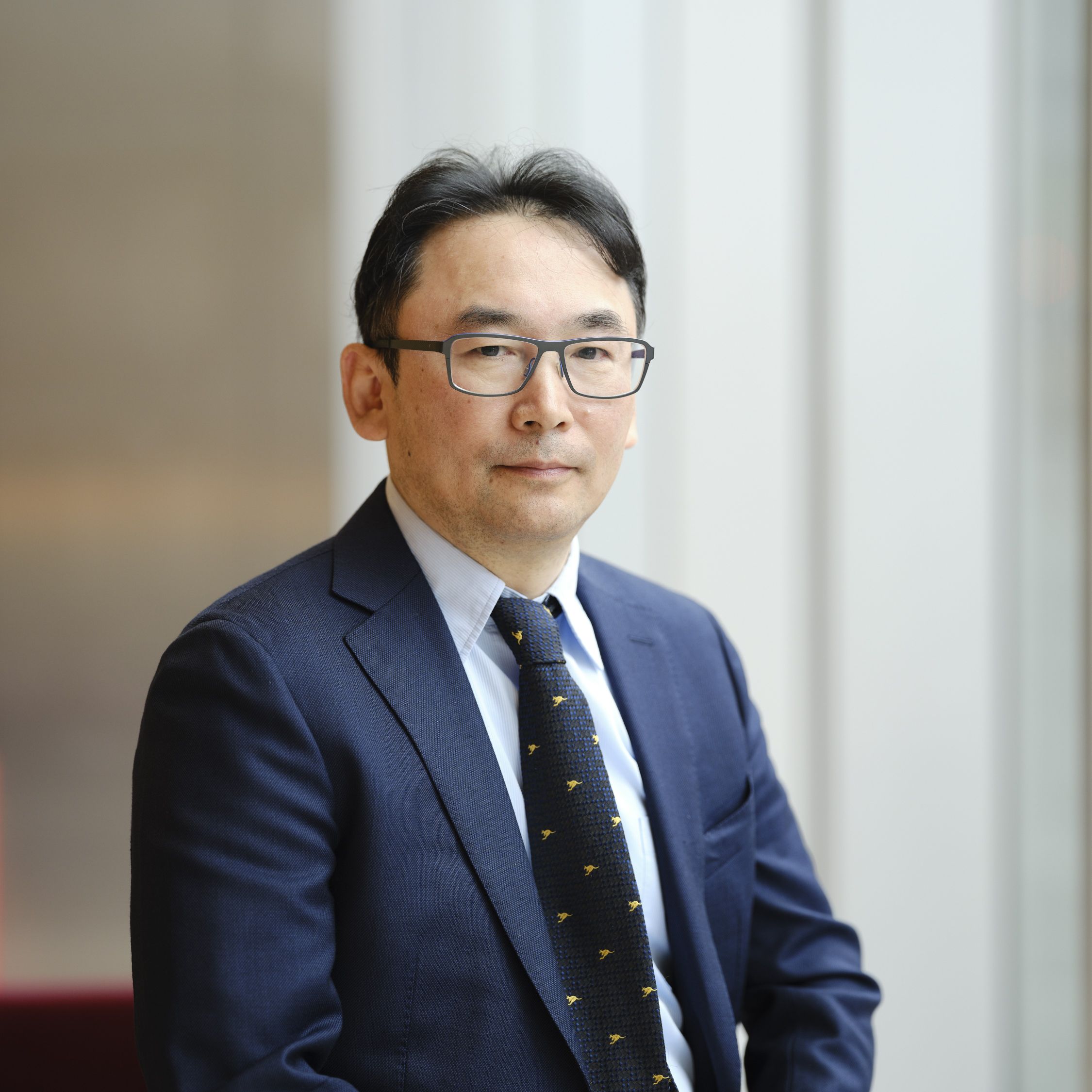 Katsuhiro Mihara, Head of Clinical Development & PK/PB
Katsuhiro Mihara, RPh, PhD is a registered pharmacist with a PhD in Pharmaceutical Sciences from the University of Tokushima. He joined hVIVO in 2016 to lead the clinical development department and is currently also leading hVIVO’s consultancy team in the Netherlands. Previously, he held leadership and senior scientist positions in clinical development and pharmacology at Abbott, Merck Sharp and Dohme, Schering Plough, and Organon, giving him nearly 30 years of experience in pre-clinical/early clinical drug development in big pharma, biotech, and provider alike.
Mihara has been involved in numerous drug development projects as project leader, clinical trial manager, and/or study director in multiple therapeutic areas, including, but not limited to, oncology, immunology, dermatology, urology, gynaecology, and CNS, from early discovery to marketing. His experiences also include due diligence of various drug development projects with primary focus on risk assessments, including evaluation of regulatory documents at major milestones (e.g. pre-IND, End of Phase I/II meetings) for investors.
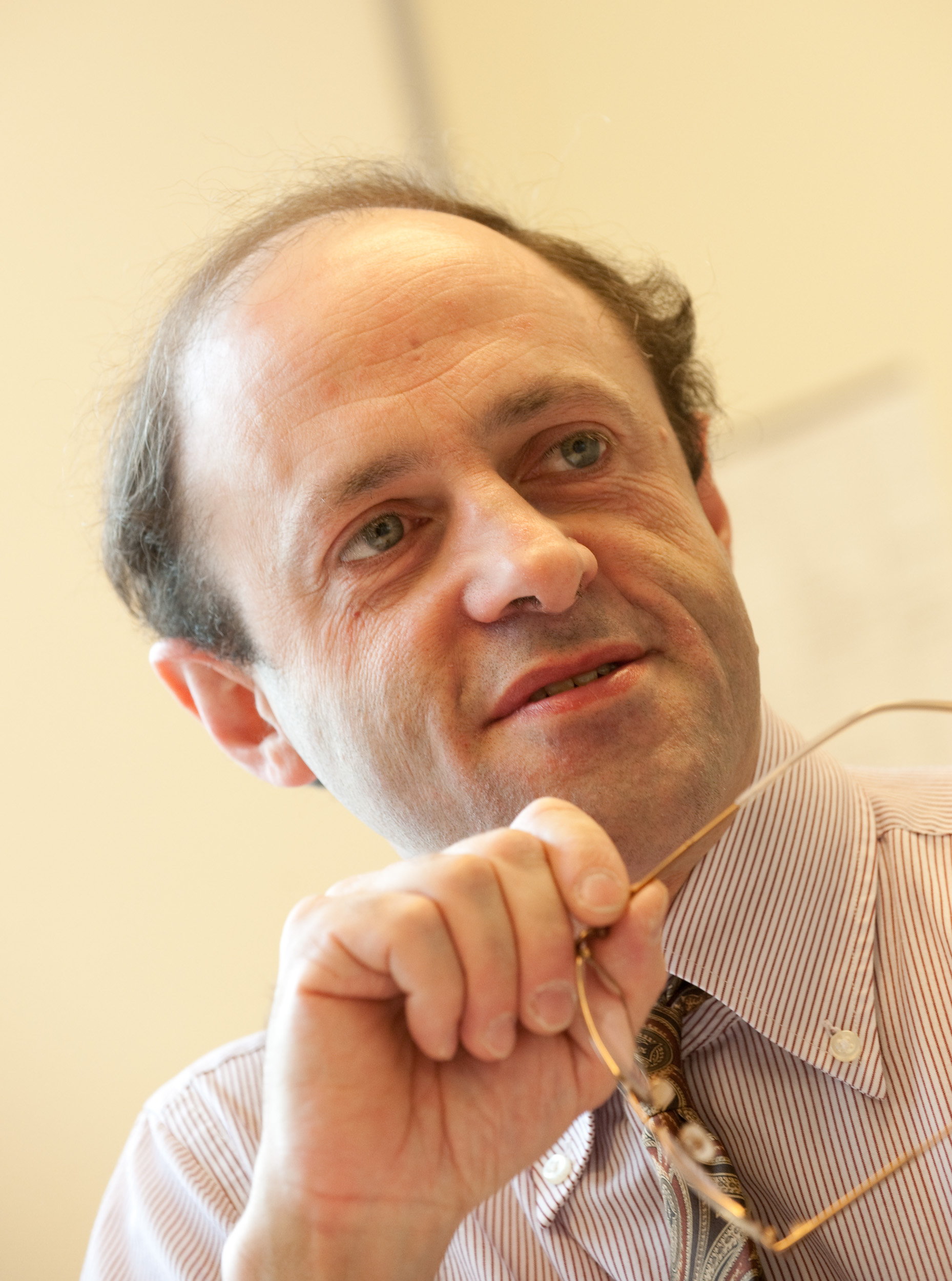 Arthur Noach, Senior Consultant, Non-Clinical Expert
Arthur Noach has over 30 years of experience in pharmaceutical industry, of which more than 25 years was as a senior consultant for the non-clinical development of drug candidates, either small molecules or biologics and vaccines. His experience is in designing the package of non-clinical studies to be performed for starting clinical studies and beyond up to registration, based on OECD, ICH, and FDA guidelines, as well as consulting on the set-up of the studies (protocols) and monitoring at contract labs where studies are actually performed.
Noach has experience in writing (non-clinical parts of) briefing books, Investigator Brochures, and IND-modules (eCTD format). Furthermore, he is acting as consultant and principal investigator for pharmacokinetic and toxicokinetic studies, either as stand-alone studies or as part of toxicology studies, both non-GLP and GLP. He obtained an MSc in Pharmacy and a PhD in Pharmacology/Pharmacokinetics from Leiden University and a PharmD from Utrecht University.
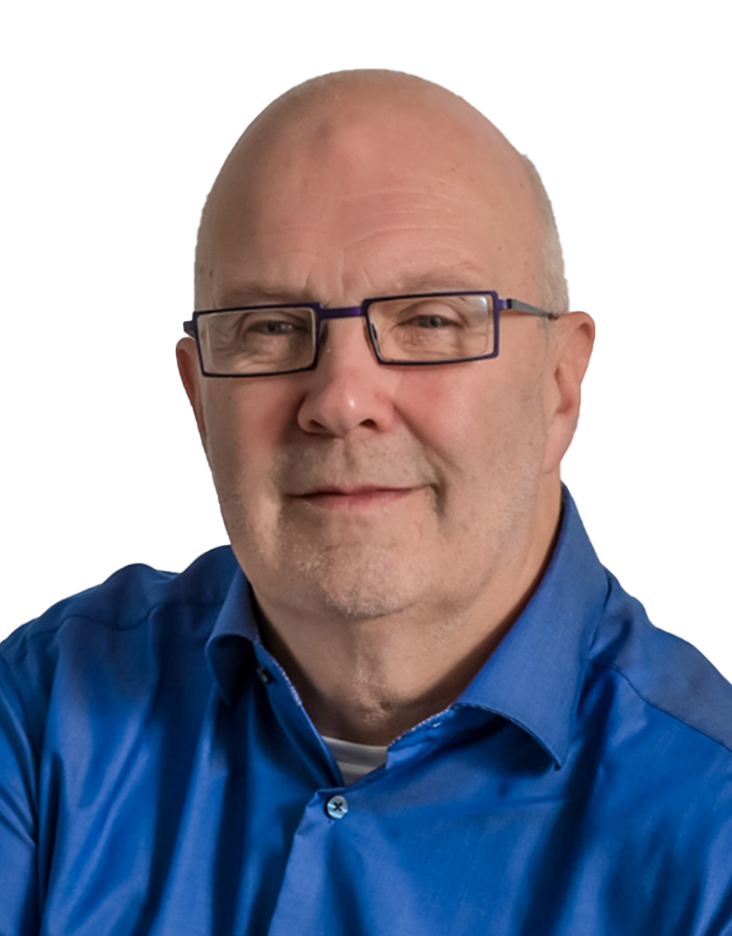 Erik Gout, Head of CMC
Erik Gout has over 40 years of experience in the pharmaceutical industry. He has been involved in numerous drug development projects as analytical scientist, pharmaceutical development scientist, Quality Insurance engineer, and CMC project leader. His experiences also include Technology Transfers, writing, reviewing, and approving regulatory CMC documents, GMP QA audits, and due diligence of various projects. He is a senior consultant in CMC and head of the department.
About hVIVO
hVIVO plc (Ticker: HVO) is a science‑led early‑phase drug development company purpose‑built to meet the growing complexity of modern clinical research. The Company operates an integrated early‑phase ecosystem that combines specialist clinical sites, advanced virology and immunology laboratories, human challenge expertise, and early drug development consulting. This unified model enables sponsors to generate rigorous, decision‑ready human data earlier in development, reducing uncertainty and accelerating progression through Phase I and II trials.
With industry‑leading capabilities in respiratory and infectious disease, alongside expanding expertise in cardiometabolic and other high‑growth therapeutic areas, hVIVO supports a diverse global client base that includes seven of the world’s ten largest biopharmaceutical companies. Its London quarantine facilities are the largest purpose‑built human challenge units in the world, complemented by additional early‑phase clinical capacity in Germany and a specialist consulting team providing strategic, regulatory, and biometry expertise.
The Company’s integrated approach delivers a seamless pathway from preclinical planning through early proof‑of‑concept, supported by continuous patient recruitment through FluCamp and a network of outpatient clinical sites for Phase II and III studies. By unifying scientific insight, operational control, and advanced laboratory capabilities, hVIVO provides sponsors with the clarity, speed, and reliability required to advance new medicines with confidence.