12 Questions with Jim Sage
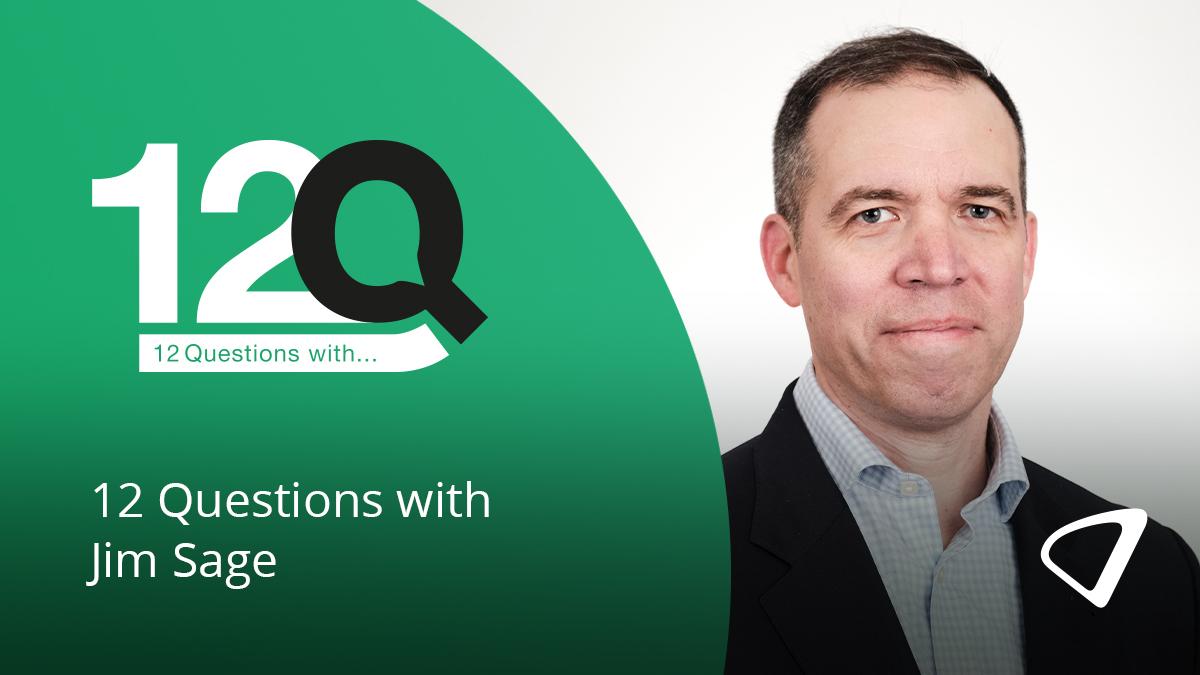
Jim Sage is a seasoned global pharmaceutical executive with extensive marketing, commercial, and leadership experience across major therapeutic areas. With 14+ years in marketing and five years in international roles, he has led key brands and served in strategic positions including Country Manager for Greece and VP of Global Innovative Marketing. As a president-level leader for more than seven years, spanning Internal Medicine, the Hospital Business Unit, and US Retail & Government, Sage has consistently driven growth, built high-performing teams, and led transformative initiatives across the industry.
What are the main responsibilities of your current role? As CEO and Global President of Inizio Engage, I am responsible for overseeing the day-to-day global operations of the Engage business while setting the long-term vision, mission, and strategic direction for the organisation. Operating in more than 20 countries, Inizio Engage is one of the largest and most integrated commercialisation partners.
I lead our efforts to connect and activate the breadth of expertise across our specialist areas, including data and analytics, medical affairs, patient solutions, commercial engagement, congress, meetings, and adult learning. In this role, I help empower our 6,000+ experts to thrive, innovate, and increase their impact on client partners’ products to improve lives worldwide.
What motivates you about working in pharma? The pharmaceutical industry is constantly evolving, which brings endless opportunities to learn, grow, and adapt. Its competitive nature aligns well with my personality and professional background, pushing me to always perform at my best. But at its core, what truly motivates me is the impact we can have, whether that’s helping clients unlock the full value of their assets and programmes or solving some of their most complex challenges. When you do that well, it’s incredibly rewarding because you know the work ultimately helps improve lives.
What is your proudest professional accomplishment to date? I’ve been fortunate in my career to have worked across a lot of complex and high-profile projects with significant impact, ranging from leading one of the industry’s biggest pharmaceutical brands to navigating the complexities of ‘Grexit’ while in Greece. What stands out most are the relationships and connections I’ve built along the way. Having the opportunity to lead teams, and help shape and influence people’s careers, are what I’m most proud of and will remember the longest.
What are your biggest short-term goals for next year? Looking ahead to 2026 and beyond, we have a significant opportunity to build on the momentum we've created this year by tackling the sector’s most pressing and complex challenges. By tailoring our solutions to client needs, and fully embracing the power of data, technology, and AI, we can stay ahead of the curve to deliver smarter, faster, and more impactful outcomes in an increasingly dynamic landscape. Internally, we aim to strengthen our high-performance culture by motivating and supporting colleagues to recognise the value they bring.
What do you see as the biggest challenges facing the industry right now? Scientific innovations are rising across the industry, and we see evidence of that in treatments for oncology, rare diseases, obesity, diabetes, and more. However, great science doesn’t always mean great returns.
When you look at the data around recent product launches, many drugs do not meet their initial financial objectives or have the patient impact they should. Increased price pressures and government intervention, like the IRA, are placing even greater premium on successful product launches and getting it right from the start. At Inizio Engage, assisting our client partners achieve successful product launches is one of our greatest strengths.
If you could change one thing about the pharma industry, what would it be? Looking at the current state of the industry, I think the reimbursement model in the US market needs a rethink. Currently, the pharmacy benefit manager (PBM) controls prescription drug benefits for health insurance plans, employers, and other plan sponsors. While PBMs negotiate significant savings with manufacturers, those benefits may not be passed on to patients. Instead, much of the value is retained within the system and shared with shareholders. This leaves patients paying high out-of-pocket costs and seeing little direct benefit. I don’t foresee this being a sustainable model, with the current economic and legislative pressures along with greater penetration of technology into healthcare
What do you think pharma will look like in 15 years? 50 years? Over the next 15 years, the ability to generate data faster will create more informed consumers at a time when they're more focused on their health. As a result, consumers will become increasingly empowered due to their access to better-quality data. We’re already seeing changes in go-to-market strategies with direct-to-patient models, where companies interact directly with consumers versus going through an intermediary. I think these changes will only accelerate.
There will also be continued pressure on pricing, driven partly by increased growth of mega categories like obesity, oncology, and diabetes; and by the government’s inability to fund wide-spread access. My best guess is this will create better reimbursement models using technology and risk sharing to create greater access.
Finally, we will see data, tech, and AI transform how the industry operates.
How do you promote patient-centricity in your workplace? I view patient centricity as a core part of our DNA; it's something we embrace, celebrate, and innovate at every opportunity. If we look at our Patient Solutions brand, it grew under the heritage of patient-centred nursing. Whether educating patients in the office or at home, helping them with adherence or access to medicines, it's all about the patient.
However, we now see a clear need for a more patient-centric integrated approach to access and support in the marketplace, one that allows greater flexibility for customisation in the setup and ongoing changes. A well-designed HUB service helps patients overcome barriers to starting and staying on therapies. By leveraging new technologies and data, we can build HUB services that streamline access and adherence and also customise the treatment journey to meet patient’s unique needs with greater flexibility, efficiency, and better outcomes.
How has digital technology changed your work or workplace culture? Whilst we’re still very much on a journey, data, tech, and AI are already transforming the way Inizio Engage operates. For example, virtual agents can now handle fewer complex interactions in call centres, allowing more focus on higher-value conversations. AI-powered tools also help us analyse vast amounts of data quicker, enabling smarter insights that inform strategy and decision-making. Additionally, collaboration platform enhancements connect our global teams more effectively, ensuring seamless knowledge sharing across markets. Weaving human expertise with AI capabilities is essential to everything we do.
What advice would you give to a young person starting out in your field? I would encourage them to not focus too much on titles and upward mobility. Instead, they should gain as much varied experience and knowledge as they can to create a strong foundation that will serve them well throughout their career. The more a person knows about a business they’re in, the more they’ll be able to grow and build a personal brand and journey to flourish.
I would also advise to take risks. Personally, I have learned and grown the most when I’ve stepped outside my comfort zone and faced hard challenges. Lastly, I would tell people to invest in their network. Do not underestimate the value of investing in relationships.
What are your hobbies? What do you do in your free time? I grew up playing sports and would say that experience is ingrained in me. I enjoyed playing hockey and lacrosse in college, which still shapes the kinds of things I do today. I’m hoping to get back on the ice to play with a hockey club soon. However, these days you’ll find me playing golf in my free time. As a former history major, I also enjoy reading histories and biographies.
If you could have any superpower, what would it be? One of the most valuable commodities we have is time. With that in mind, I think if I could have any superpower, it would be the ability to shape time. This could mean slowing it down, speeding it up, or going back and forth. I think that would be a cool superpower that there would be a lot of value in.
Connect with Jim Sage on LinkedIn