Perspectives in viral clearance

Since the 1990s, viral clearance (VC) studies have been a critical safety step for biologic drugs, which include a range of products derived from human or animal sources, like recombinant proteins and vaccines.(1,2,3)
These studies assess steps of a drug's manufacturing process for its ability to remove or inactivate viruses, typically through small-scale testing. While partially updated regulatory guidelines exist,(4,5,6) designing effective VC studies can be complex due to the evolving nature of biologics, their production modes, and the need to reinterpret guidelines in light of new information and technologies.
Challenges associated with viral clearance
Undoubtedly, VC will continue to be complex, with the central challenge of the scope of the VC study because, even though guidelines exist, they leave room for interpretation. Therefore, the art is to adapt the VC scope to the product and reduce it to the minimum allowed by guidelines to keep cost as low as possible while ensuring alignment with guidelines and acceptance by regulatory authorities.
Charles River’s 2025 Viral Safety and Viral Clearance (VSVC) Summit was addressed and discussed these challenges with a variety of VC subject matter experts, contract development and manufacturing organisations (CDMOs), and regulatory authorities.
Strategic considerations
Manufacturers are actively comparing different VC strategies, from reducing VC test scopes as outlined in ICH Q5A (R2) to using new methodologies, such as co-spiking or usage of virus-like particles instead of infectious virus particles. However, there is still a level of regulatory caution as products are submitted across multiple markets with varying expectations from regulators. To avoid the risk of rejection, companies still tend to take conservative approaches. Going forward, VC strategies will continue to diversify and will require more case-by-case evaluation than ever.
Prior knowledge
- While prior knowledge is increasingly used to omit product-specific VC runs, CDMOs often face the challenge that relevant platform data is not owned by them, limiting its direct applicability.
- A streamlined VC strategy for Investigational New Drug (IND) submission, based on prior knowledge, was presented. Virus filtration will require only a single confirmational parvovirus run, while chromatography steps remain virus-specific limited to single runs with fewer samples. Inactivation studies are no longer needed if key process parameters such as pH, temperature, buffer matrix, and incubation time are met.
Cell- and gene therapy products (viral vectors, e.g. AAV)
In cell and gene therapy development, viral safety strategies must be product specific. For cell therapies, the focus lies primarily on sourcing controls and extensive testing as VC is not feasible, whereas VC becomes critical for viral vector-based products. Despite the lack of detailed regulatory guidance for early phase VC studies of viral vectors, health authorities increasingly expect that VC data is in place by IND/clinical trial application (CTA) submission.
Co-spiking
A study showcased the successful use of murine leukaemia virus (MuLV) and Minute virus of mice (MVM) co-spiking in a Good Laboratory Practice (GLP) VC study, and its benefits in terms of material saving were addressed. Particularly in the context of aged resin production, the benefit of this approach was shown – while resin reduction by decreasing the number of performance runs during the VC study itself may seem minor, the real benefit lies in the upstream impact: small savings in the VC study multiply significantly given the high material demand across multiple resin ageing cycles.
Virus-like particles
The use of virus-like particles (VLPs) in VC studies is restricted by regulatory expectations: only VLPs that closely mimic endogenous retrovirus-like particles (RVLPs) are acceptable to replace MuLV in GLP compliant VC studies. Other VLPs, such as those mimicking non-enveloped viruses (e.g., MVM surrogates) are not considered to be used beyond research and development purposes. And even though VLPs bear quite a few advantages (no virus contamination risk at production site, no transfer of process methods required to testing facility, faster results), one major drawback is that they cannot be used for all inactivation assays. However, a molecular engineered novel RVLP surrogate was also introduced at the VSVC summit as potential alternative to currently available RVLPs, with the advantage that they may be suitable for use in inactivation assays.
Continuous manufacturing
One of the biggest VC challenges in recent years has been the change in production mode from batch to continuous manufacturing (CM) and how to define a validated down-scale process for CM to be used in a VC study. This is easier for inactivation steps like a low pH treatment for which the critical parameters can be defined and directly transferred into a batch approach. It is more complex when it comes to multicolumn chromatography process steps, like the Protein A chromatography in CM. Several research groups looked into this topic and concluded that, for Protein A affinity chromatography, it is irrelevant whether the VC study is performed in batch or CM mode.(7,8,9,10) Of note, the recently published official training material for the ICH Q5A (R2) guideline indicates that the ICH tolerates several approaches: single column worst case and two-column steady state mimicking as well as the continuous process itself.(11) That being addressed, the challenge remains to define the critical parameters for each process step.
Regulatory agencies are offering more flexibility when it comes to viral clearance strategies, but this must be aligned with a deep scientific understanding and carefully justified approaches. Cross-industry collaboration is more critical than ever to define safe, efficient, and forward-looking best practices in viral clearance.
References
- FDA, Points to Consider in the Characterization of Cell Lines Used to Produce Biologics(CBER, 1993).
- EMA, EMA/CPMP/BWP/268/95, Note for Guidance on Virus Validation Studies(Feb. 14, 1996).
- ICH, Q5A(R1) Viral Safety Evaluation of Biotechnology Products Derived from Cell Lines of Human or Animal Origin, Step 4 version (1999).
- ICH, Q5A(R2) Viral Safety Evaluation of Biotechnology Products Derived from Cell Lines of Human or Animal Origin, Step 4 version (2023).
- EMA, EMA/CHMP/BWP/126802/2012, Guideline on the Adventitious Agent Safety of Urine-Derived Medicinal Products (May 26, 2015).
- WHO, “WHO Guidelines on Viral Inactivation and Removal Procedures Intended to Assure the Viral Safety of Human Blood Plasma Products,Technical Report, Series No. 924, 2004 Annex 4 (March 1, 2004).
- Chiang et al. Biotechnol Bioeng, 2019 Sep;116(9):2292-2302.
- Goussen et al. J Chromatogr B Analyt Technol Biomed Life Sci. 2020 May 15;1145:122056.
- Angelo et al Biotechnol Bioeng. 2021 Sep;118(9):3604-3609.
- Capito et al Biotechnol J. 2022 May;17(5):e2100433.
- ICH Q5A (R2 ) official training material https://database.ich.org/sites/default/files/Q5A%28R2%29TrainingMaterialModule1-3_2025_0428.pdf
About the authors
 Sandra Zucchet, MSc, is scientific expert viral clearance (biologics testing solutions) at Charles River. She joined Charles River in March 2017 after completing her Master’s in Microbiology at the University of Bonn, where she researched bat-borne viruses for her thesis. As a study director, she oversaw more than 50 viral clearance studies, gaining profound knowledge of study design and planning. Since February 2023, Zucchet has served as viral clearance R&D scientist, still focusing on viral clearance study design and client support.

Anja Tessarz, PhD, is associate director R&D & SME viral clearance at Charles River. Tessarz joined Charles River, Germany in January 2015. She initially worked as a study director and study director supervisor, obtaining profound knowledge of setting-up, planning, and performing viral clearance studies. Prior to joining Charles River, she worked as research director at Antitope, UK, overseeing antibody humanisation projects. Tessarz studied Biochemistry at the Universities of Greifswald and Witten/Herdecke, both located in Germany. She performed her MSc thesis working on Borna disease virus at the University of Marburg, Germany. Afterwards, she worked in the field of innate immunity at the DKFZ, Heidelberg, Germany, where she obtained a PhD from the University of Heidelberg in 2008.
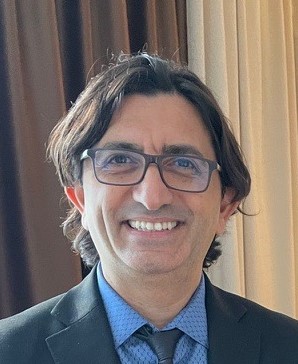 Tareq Jaber, PhD, is associate director of process evaluation at Charles River. He has been with Charles River since 2012, first working as a study director and then as a senior supervisor. He previously worked at the University of Pennsylvania School of Dental Medicine, in the Microbiology department as a postdoctoral fellow, and performed research on oncogenic herpesviruses. Jaber received a PhD from the University of Nebraska-Lincoln and his research focused on studying HIV pathogenesis and the discovery of novel proteins and small RNAs involved in herpesviruses latency stages.