The importance of understanding the differences between 503A and 503B compounding pharmacies

When it comes to medications that are not commercially available, compounding pharmacies play a crucial role in ensuring patients get the treatments they need.
Inside the ecosystem of compounding pharmacies, 503A and 503B facilities are distinct. They each have their own unique regulations and objectives, and both aim to advance patient safety and wellbeing. It's crucial to understand how they help consumers, providers, and institutions make more informed decisions about their care and delivery models.
The history of compounding pharmacies
Compounding pharmacies are specialised facilities that prepare specific ingredients based on healthcare practitioners’ directions for an individualised patient. This is very helpful in attempts to circumvent difficulties posed by commercially available drugs. For instance, a patient who is on maintenance therapy and is taking multiple medications in tablet form: rather than making the patient reluctant to take the medication in that guise, the pharmacy has the option of changing its form to liquid. These services can be crucial for individuals dealing with rare diseases, children requiring smaller doses, patients with unique allergies, or those who need medications that are discontinued or in short supply.
The 2012 incident at the New England Compounding Center (NECC), which led to a deadly meningitis outbreak, led the FDA to divide compounding pharmacies into two categories: 503A and 503B. 503A pharmacies make patient-specific prescriptions, while 503B facilities produce medications in bulk for healthcare facilities for use in-office, such as during surgeries or emergency care. Because of their larger scale, 503B facilities are subject to FDA inspections and stricter standards. Many states also introduced specific licensing for 503Bs to further ensure safety and quality.
503A compounding pharmacies: Focused on individual prescriptions
Pharmacies categorised under 503A operate in compliance with Section 503A of the Federal Food, Drug, and Cosmetic Act (FDCA). They are traditional compounding pharmacies, typically located in community and hospital settings, and are designed to fulfil specific compounding prescriptions written for patients.
Every medication dispensed by a 503A facility must be accompanied by a valid prescription that directly ties the compounded drug to a named patient. Most of these pharmacies operate in a given state and are subject to the jurisdiction of law enforcement agencies, which are governed by the United States Pharmacopeia (USP).
One of the vital benefits of 503A pharmacies is their capability to create a patient’s medication based on their specific needs. For example, a patient who is sensitive to gluten will require a pharmacy free of any binding agents that may be derived from wheat. A 503A pharmacy can make that modification. Additionally, a child who may not be able to swallow pills might be prescribed a liquid suspension that is not available in the market. Most of these pharmacies are within the vicinity of the patients, making it easy to communicate and fill prescriptions in a timely manner, and often do so at an affordable cost, helping patients save hundreds or even thousands of dollars on specialised treatments that may otherwise be out of reach.
503B compounding pharmacies: Focused on scale and institutional needs
In 2013, the Drug Quality and Security Act established the 503B category. These pharmacies are regulated by the US FDA, otherwise referred to as outsourcing facilities. 503B facilities, unlike 503A pharmacies, do not require a prescription for every dose of medication that they compound. Instead, they can prepare drugs in bulk for use by hospitals, clinics, and doctors.
503B pharmacies are governed by the more stringent Current Good Manufacturing Practices (cGMP) applied in drug manufacturers because they have a broader application. They strive to uphold strong documentation practices, ensure sterility, and maintain consistent quality control throughout the process.
Benefits to patients are significant, even if they never actually interact with a 503B facility. If a hospital is short a bulk supply of a particular drug, such as an injectable antibiotic or a sterile ophthalmic solution, it can rely on a 503B provider to have it delivered securely and reliably. These plants are also essential in national drug shortages or recalls, where they can produce replacements in rapid amounts and send them to state lines. Their big-batch approach also achieves cost efficiency, reducing costs for healthcare systems and ultimately benefitting patients.
Why the distinction matters to consumers
While patients themselves may not know the source of their compounded drug, 503A vs 503B pharmacies have a direct effect on safety, customer access, and quality of care. Patients are encouraged to ask their doctor or pharmacy provider which type of facility is being used to better understand how their medication is prepared.
Both types of facilities address gaps in drug availability in different ways. 503B outsourcing facilities are authorised to compound medications from the FDA’s drug shortage list or the 503B Bulk Drugs Substance List, which includes products big pharma no longer produces due to lower price points. These medications are distributed in bulk to hospitals or clinics in need. In contrast, 503A pharmacies prepare individualised variations of commercially unavailable drugs, such as alternative dosages or formulations, when medically necessary and prescribed for a specific patient, following a specific drug list that outlines what they are authorised to compound.
Quality and safety assurance are a top priority for both. While 503A pharmacies are regulated by state boards and held to a high standard of professionalism, 503B pharmacies are regulated by the FDA through federal and state regulations. This provides additional control, which is particularly relevant for injectable or sterile drugs, where contamination is a risk.
Flexibility in administration of the medication is also offered by these centers. Those patients who need to receive a drug in a different form, who have allergies to common additives, or who are being administered a new treatment regimen, can enjoy options that might not be offered through normal pharmacy chains. Customisation and competitive pricing models often result in significant cost savings, particularly for patients requiring long-term or recurring treatments.
Furthermore, 503B pharmacies offer a buffer in the event of public health emergencies, supply chain interruptions, or mass recalls. Their capacity for quick scaling of production ensures that consumers are unlikely to experience treatment gaps during critical times.
A system complementing patient demand
While both 503A and 503B compounding pharmacies play important roles in the healthcare system, it’s important to recognise their differences. 503A pharmacies are designed for individualised care, but some may blur the lines by filling broader demand for shortage medications – an area outside their regulatory scope. In contrast, 503B outsourcing facilities are specifically authorised to compound drugs on the FDA shortage list and distribute them in bulk, making them essential for meeting widespread institutional needs.
Each type serves a distinct purpose: 503A pharmacies excel in personalised formulations and patient-specific care, while 503B facilities offer the scalability, oversight, and consistency required in hospitals and larger healthcare settings.
Whether patients receive medications directly from a local compounding pharmacist or through a provider ordering from an FDA-regulated outsourcing facility, the goal remains the same: delivering safe, affordable, and effective treatment tailored to real clinical needs. By understanding the regulatory and operational differences between 503A and 503B pharmacies, consumers and providers can make informed decisions, select appropriate sources, and ensure their care is backed by a robust pharmaceutical foundation.
About the authors
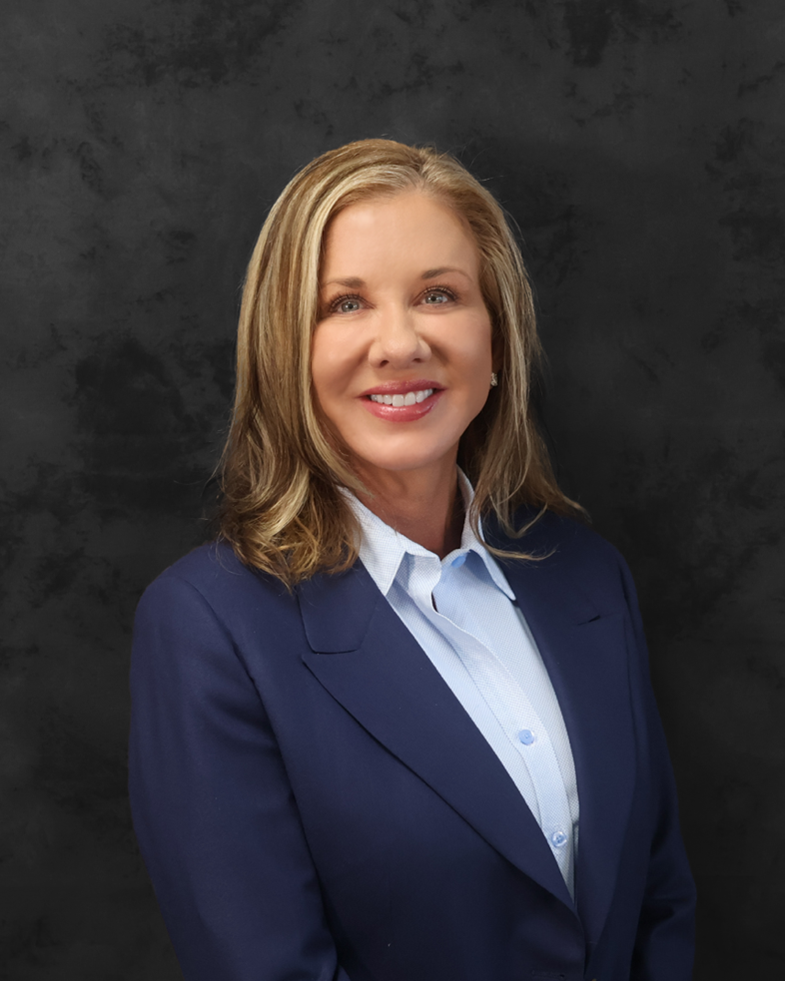 Naomi Loomis, RPh, is a seasoned pharmacist, researcher, and advocate with more than 30 years of experience in the field. A graduate of Ohio State University, she began her career in her hometown of Columbus, Ohio, where she quickly developed a strong passion for women’s health, focusing on osteoporosis prevention and female hormone replacement therapy. After relocating to Orlando, Florida, Loomis launched her own pharmacy business. Today, she serves as a pharmacy consultant for independent pharmacies in the Orlando area, where she helps owners optimise operations, expand clinical offerings, and enhance patient outcomes.
 Stan Loomis is an Independent Pharmacy Consultant in Orlando, Florida with more than 47 years of experience. He attended Valencia College in Orlando and graduated with his Associate in Science. Loomis then attended Florida State University before transferring to Florida A&M University and completing his Bachelors in Pharmacy. He began his career in pharmacy as a pharmacist manager at an Orlando-area Walgreens. Five years later, he went on to open the first of seven Loomis Drug Stores, which he owned and operated for 12 years before selling off all of the businesses. In 2009, he began consulting. Today, Stan Loomis continues to advise independent pharmacies across the country, helping owners improve operations, boost profitability, and navigate the ever-evolving healthcare landscape.