The hidden cost of rework in pharma facility builds

The last two years have seen unprecedented investment in UK pharmaceutical facilities.
From the UK’s first CAR-T cell manufacturing facility in Stevenage in 2023 for £6 million to Moderna’s £150 million mRNA Innovation and Technology Centre (MTIC) in Harwell, Oxfordshire - a decade-long commitment - these are not just construction projects. They are national strategic assets.
The pipeline is strong. Public-private partnerships ensure that the UK develops cutting-edge medicines and produces them domestically. This means one thing: we cannot afford to get these builds wrong.
The Construction Industry Institute reports that rework can swallow up to 20% of construction costs. In pharma, where GMP (Good Manufacturing Practice) is non-negotiable, rework is more than an expensive inconvenience. It’s a direct threat to drug delivery timelines and patient outcomes. Every delay is a missed opportunity to save lives.
In this space, “good enough” doesn’t exist. If a facility is late or non-compliant, the entire supply chain can be compromised, from R&D labs to hospital shelves. For a sector measured in micrograms and milliseconds, that’s mission failure.
The systemic nature of rework in pharma construction
Rework doesn’t happen by accident. It’s the product of systemic issues: poor project coordination, complex compliance landscapes, the significant shortage of skilled labour, and the damaging ripple effect of fragmented teams.
When design, engineering, and construction operate in silos, misalignment is inevitable. That disconnect is the primary cause of rework, poor communication, plain and simple. It accounts for 43% of onsite errors, with inexperienced workers and increased costs accounting for 39% and 22%, respectively. Studies have found that rework accounts for up to 30% of on-site activity on construction projects, and in GMP environments even a small deviation can be catastrophic.
GMP, guided ISPE (International Society for Pharmaceutical Engineering) standards, is unforgiving. One misstep can trigger commissioning delays, repeat validation cycles, and the loss of entire drug batches. Unlike a commercial office or retail build, there’s no “we’ll fix it later” option. Every deviation risks a failed inspection, regulatory fines, and the erosion of trust with stakeholders and regulators.
The ‘ripple effect’ can be brutal:
- Delayed commissioning pushes back production by months
- Extended validation processes burn through budgets
- Rescheduled trades cause knock-on inefficiencies
- Regulatory setbacks damage reputation and investor confidence
In pharmaceutical construction, the stakes are not measured in days. They’re measured in doses, in patients waiting for treatment, and in the reputations of companies leading medical innovation.
The hidden costs: Beyond budget overruns
Budget overruns are the tip of the iceberg. Beneath the surface lies a web of hidden costs that can cripple a project’s success.
Compliance failures can lead to Medicines and Healthcare products Regulatory Agency (MHRA) inspection setbacks, remediation orders, and, in the worst cases, suspension of manufacturing licences.
Productivity losses mount when site teams have to stop, strip back, and rebuild work already completed. That pause cascades across trades, throwing off the building sequence and requiring other trades to down their tools while they wait for corrections to be made. This creates a domino effect of wasted hours and missed milestones.
And then there’s the market cost. Delays in drug production don’t just impact a single revenue quarter. They can shrink market share permanently. Competitors who can deliver faster win the trust of healthcare providers and investors. In life sciences, that first-to-market advantage is worth millions, sometimes billions.
Building it right, first time
Manual validation processes are slow, error-prone, and fundamentally unsuited to the pace and precision pharma construction demands. These processes take place after completion, meaning error detection is too late, and time and money costs skyrocket from there. They’re reactive, but forward-thinking GCs can be proactive with the right tools. In an environment where timelines are tight and compliance is absolute, the only way to avoid costly setbacks is to detect deviations early, before they snowball into full-scale delays.
Augmented Reality (AR) is transforming how that’s done. By overlaying 3D models directly onto the physical site, AR enables real-time validation, bridging the gaps between technical drawings and the on-the-ground process. It doesn’t just identify mistakes; it prevents them from embedding into the build process.
In GMP-regulated environments, AR acts as a proactive safeguard, catching deviations at the point of origin with millimetre precision and allowing teams to correct them before they cascade into shutdowns, revalidation cycles, or failed inspections. Integrated into day-to-day workflows, AR can save hundreds of programme days from a schedule, streamline commissioning, and accelerate time-to-market for critical medicines.
The impact is measurable: fewer RFIs and change orders, bridging the skill shortage gap, tighter alignment between disciplines, and a reduced risk profile, ultimately ensuring vital pharmaceutical products reach patients without avoidable delays. We’ve found that applying these technologies, paired with the right systems and processes, can shrink preventable rework costs to less than 1% of the overall project expenditure.
Leadership and culture: The other half of the solution
Technology alone won’t solve rework. Leadership and culture must align with the mission. That means project leaders holding teams accountable for precision, breaking down silos between disciplines, and setting “first-time right” as a non-negotiable standard.
It also means shifting from a reactive mindset to a proactive one. In mission critical work, we don’t wait for problems to reveal themselves. We anticipate them, intercept them, and eliminate them before they impact delivery.
When every stakeholder, from the client to the subcontractor, understands that the margin for error is zero, we create a culture where compliance and efficiency reinforce each other instead of competing for attention.
The bottom line
Rework within pharmaceutical and healthcare facility builds is a threat to mission success. The industry must reject reactive firefighting and embrace proactive, tech-enabled execution.
If we commit to “first-time right” delivery, powered by integrated AR validation and progressive leadership, we can protect budgets, safeguard compliance and, most importantly, keep vital medicines moving from lab to patient without delay.
In mission critical work, near enough is never good enough. The future of pharmaceutical construction, and the patients who depend on it, demands nothing less.
About the author
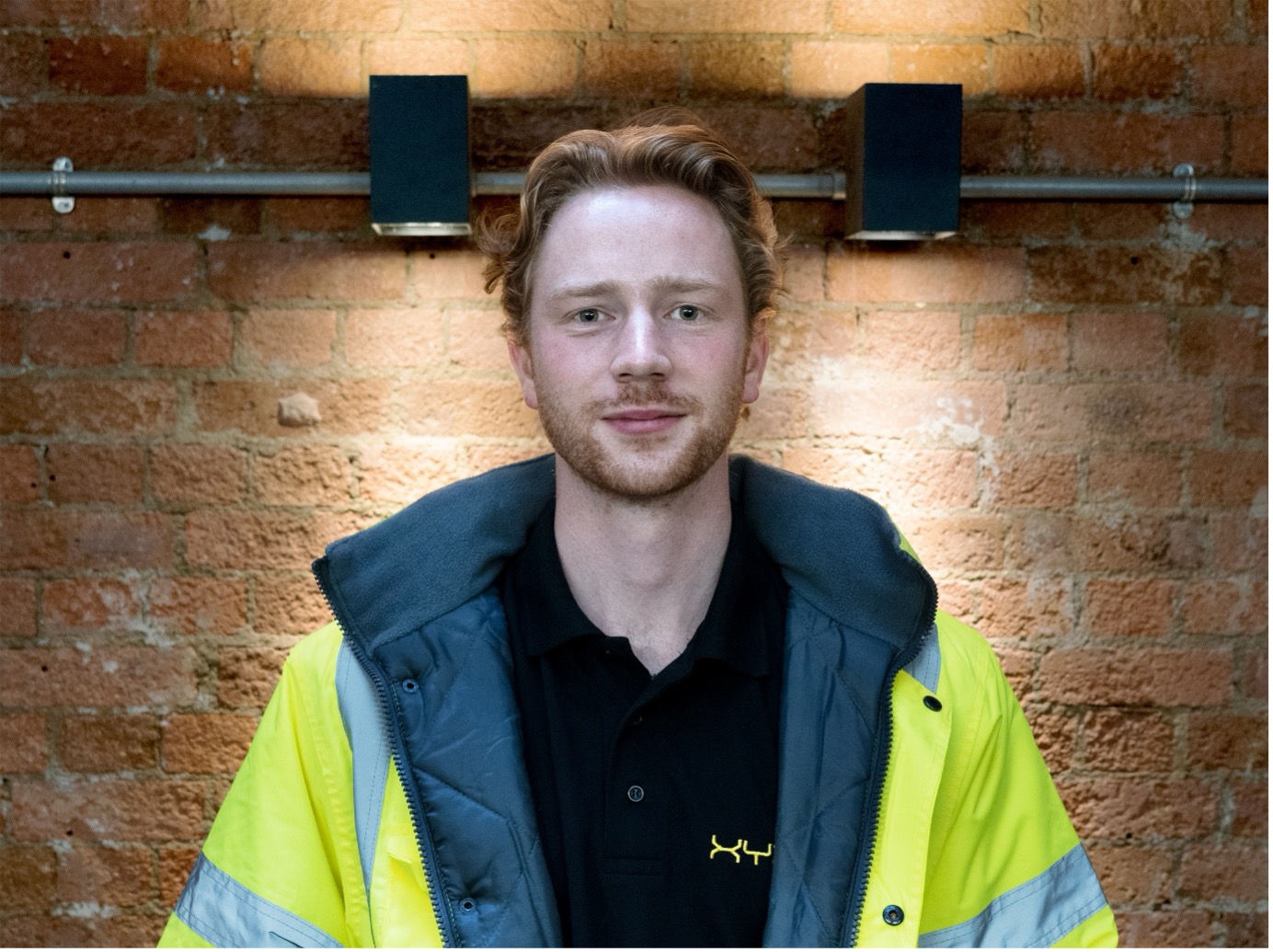 Joe Hughes is director of mission critical at XYZ Reality, leading global client partnerships across the data centre, energy sector, and mission critical projects. His mission is to help delivery teams accelerate projects, reduce the cost of construction, and de-risk delivery through real-time, objective data. With a background as a land and engineering surveyor, Hughes started his career on-site, gaining a deep understanding of construction challenges from the ground up. He joined XYZ Reality in its early start-up days as one of the first field engineers, deploying the company solution across hyperscale data centre and pharmaceutical projects throughout Europe.