Reimagining VLU and DFU management: Why speed matters in chronic wound healing

Chronic wounds, particularly venous leg ulcers (VLUs) and diabetic foot ulcers (DFUs), represent a persistent and growing challenge in global healthcare. Affecting millions annually, these wounds are painful and debilitating for patients, making them immobile for extended periods. However, the long recovery time impacts not only the patient but also healthcare systems, which must allocate bed space and resources to support timely and effective healing.
DFUs alone impact approximately people worldwide each year. If not treated within the first 12 months, they can lead to amputation or even death in the most extreme of cases, underscoring the importance of the issue. In the UK alone, foot ulcers affect around a quarter of the population.
In addition to the financial cost of treating these conditions, healthcare providers such as the NHS must also ensure sufficient bed capacity – often for many months if required. This highlights a clear need to find a faster way to treat and heal these wounds, creating recovery pathways that help patients heal more quickly, return to daily life sooner, and free up vital space for other patients.
To address these challenges, there is a growing focus on rethinking chronic wound management, with particular emphasis on early intervention and improved circulation through the integration of innovative medical technologies. New classes of non-invasive devices, designed to stimulate healing processes and enhance blood flow, are showing strong potential in accelerating recovery times, offering benefits not only for patient outcomes, but also for the economic efficiency of care delivery.
The problem with conventional pathways
VLUs and DFUs are long-standing challenges for healthcare providers and, over time, conventional pathways have been designed to manage and treat these conditions. For instance, traditional treatment approaches for VLUs typically involve several steps, including wound cleaning, dressing changes, and compression therapy. While these methods are clinically validated and can eventually deliver results, they often fail to address the underlying physiological barriers to healing – most notably poor circulation. Low patient compliance, inconsistent application of compression therapy, and variability in care practices across clinics and healthcare professionals further complicate outcomes, leading to delays in wound closure and increased risk of complications. These challenges are amplified by widespread staffing shortages, making labour-intensive processes difficult to apply consistently.
Moreover, the reactive nature of conventional care, with caregivers waiting for signs of deterioration before escalating treatment, can result in missed opportunities for early intervention. This approach can lead to prolonged patient suffering and increase the likelihood of hospital admissions and surgical procedures, including amputations, related to DFUs, which can only further burden the healthcare providers. To counter these limitations, new technologies are being developed to help address the deeper physiological issues directly, allowing shorter, more effective pathways that prioritise proactive intervention.
Why speed matters
Emerging research and clinical practice increasingly point to the importance of early intervention in chronic wound care. Addressing circulation issues at the outset can significantly influence healing trajectories and prevent wounds from worsening to the point of requiring costly surgical procedures. Enhanced blood flow also delivers oxygen and nutrients that are essential for tissue repair in the area of the wound, while supporting immune responses that prevent infection, which are often the cause of elongated hospital stays.
Innovative medical technologies are supporting this shift. An example is a non-invasive device that increases blood flow and supports the body’s natural healing mechanisms, demonstrating valuable advantages. The wearable neuromuscular electro stimulator (NMES) is applied just below the knee and delivers a gentle electrical pulse, activating the calf and foot muscle pumps. This process increases blood flow and transports oxygenated blood to the wound to accelerate healing, effectively replicating the effects of exercise. The easy-to-use device is not a replacement for traditional care, but rather a complementary tool that can be integrated into existing pathways, promoting patient self-care, speeding up the time to recovery and reducing the financial burden of healthcare professional home visits.
From a systemic perspective, quicker healing translates into fewer home and clinic visits, reduced need for long-term care, and lower overall treatment costs. In publicly funded systems like the NHS, where resources are stretched, the economic benefits of faster recovery are particularly compelling, as faster wound closure also reduces the window of vulnerability during which patients are at risk of infection, sepsis, and other serious complications. It also improves patient mobility, which is crucial for overall health and quality of life, particularly in older adults.
Rethinking the care model
Reimagining chronic wound care management requires embracing new models of care, able to incorporate technologies, such as the NMES device that can double the rate of chronic wound healing, without adding complexity or cost to the system.
This type of innovation creates a pathway to both clinical and economic benefit. Shorter treatment durations reduce the burden on healthcare providers, free up hospital beds and minimise the need for expensive downstream interventions. For patients, the benefits are equally noticeable: less time in care, fewer complications, ability to self-manage and a quicker return to normal life.
In the context of VLUs and DFUs, where the stakes are high and costs substantial, accelerating healing is not just beneficial – it is essential in an industry already under immense pressure. By adopting wearable NMES, healthcare systems can deliver improved outcomes for patients while also enhancing the efficiency and sustainability of the healthcare system itself.
About the author
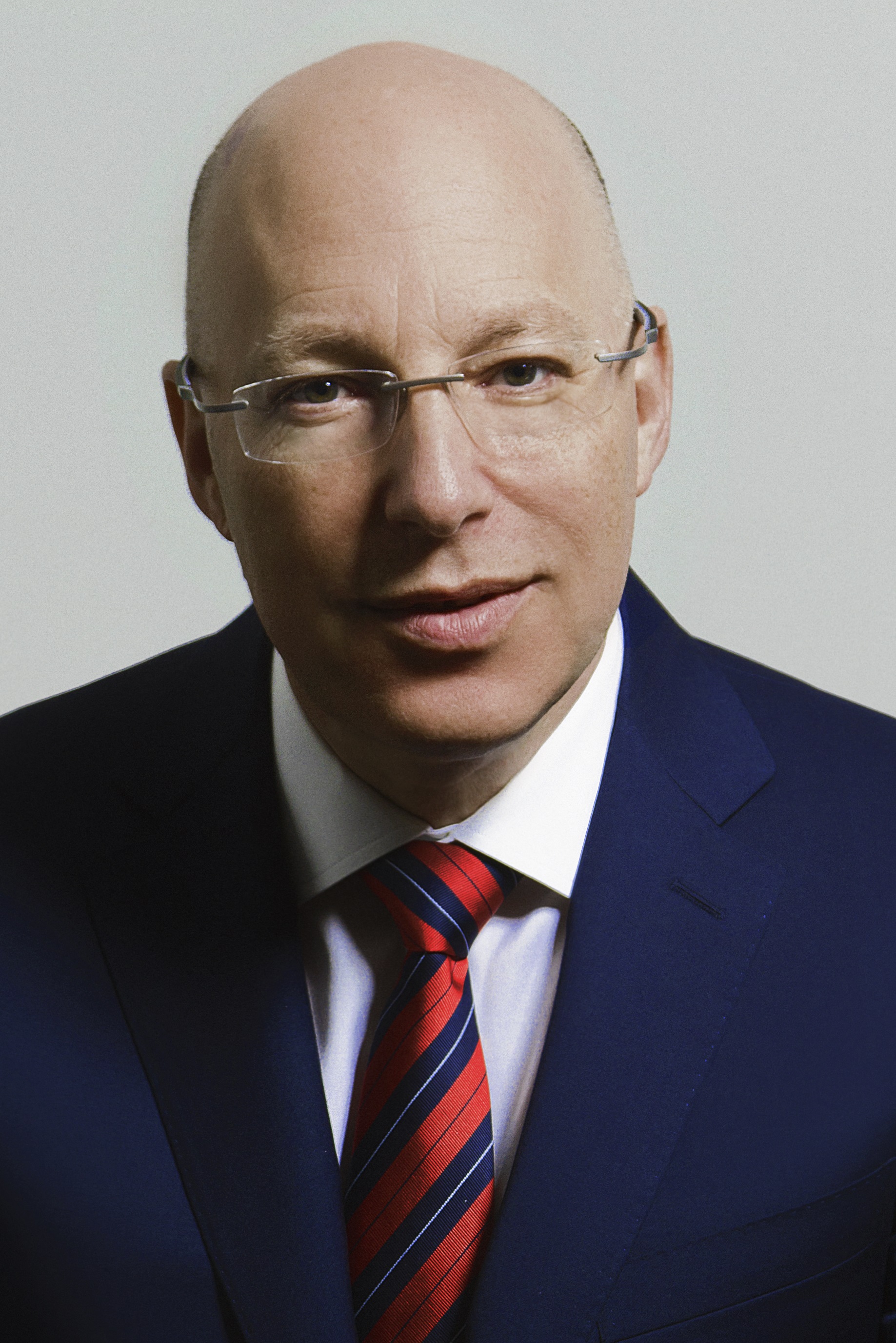 Bernard Ross is CEO and founder of Sky Medical Technology Ltd (Sky), parent company of Firstkind Ltd. A serial entrepreneur with more than 20 years’ experience at private and public board level across multiple industries including pharmaceutical, technology development, and FMCG – Ross is a former head of international development at CMI plc, senior vice president, cardiovascular of Bioaccelerate Inc. (BACL), and former CEO of Innacardio Inc.