How to put out the waiting list fire – and make sure it never sparks again

NHS waiting lists are like fires that everyone in health is frantically trying to put out. But however much water we pour on it, the flames keep roaring.
Waiting list numbers rose again in September, hitting 7.8 million – the third consecutive monthly increase.
So, why can’t we control this fire… or even douse it completely?
If fires kept breaking out in your street, you’d want more firefighters around. You’d also want an investigation into why it kept happening and how it could be stopped.
This is the approach we need to take with NHS waiting lists.
So, why are waiting lists growing? One of the main reasons is that people are sent to hospital for care they could receive elsewhere.
The solution is to provide more care locally, with more effective patient pathways and use technology to connect the dots.
Change grounded in realism
The government’s 10-Year Plan for the NHS is addressing these issues. It has three main focuses that, if done right, would make massive and welcome changes.
The first is to shift the service from analogue to digital technology. The second is to move from acute treatment to care being delivered, where appropriate, in communities. And the third is a shift from curing illnesses to preventing them in the first place.
But like all grand plans, it’s easy to say, but not so easy to do. Changing a system as large and complex as the NHS takes time, effort, long-term commitment, and the right incentives.
National guidance can’t be based on wishful thinking; it has to be grounded in realism. Local teams must be able to implement that guidance easily, so patients can receive the best care without overburdening a system that is already under stress.
There’s an underlying cultural shift needed, because at the moment there's only one way of thinking. It's either someone can be treated in the community and, if the community can't do it, you hand over straight to the hospital. There is often no other pathway available. We must look at hospitals as the last resort, rather than the first.
There are some alternatives already in place. For example, there are more than 150 local diagnostic centres across England. In addition, neighbourhood health services are being built in 43 places across England backed by £10 million. They are targeting working-class areas with low life expectancy and some of the longest waiting lists.
These are fantastic initiatives, but the problem is that they haven’t been properly integrated into existing pathways. Take the local diagnostic centres, for example. They are brilliant, but don’t always work seamlessly with the rest of the NHS. Patients sometimes find themselves returning for multiple scans over days or weeks due to poor planning.
Communication and connection
The focus shouldn’t be on radical new initiatives, but instead on making it as easy as possible for GPs to use these patient pathways.
A lot of this comes down to communication and enabling clinicians in different areas to talk to each other quickly. And this is where tech comes in.
The healthtech business I run, for example, allows clinicians to reach consultants for advice and guidance. If a clinician is unsure of the treatment plan for their patient, instead of referring them to a specialist, they can use the technology to contact a specialist.
Virtual triage is one of the government's main goals in the 10-Year Plan, alongside the switch from analogue to digital tech, including a push on the NHS app becoming a doctor in our pockets.
All of it is laudable and achievable, with one large caveat – the “long-term commitment” I mentioned earlier.
Health workers are sceptical about 10-year plans for governments of all colours. They know that when the next lot comes into power they are likely to rip up the existing plan and create a new one.
For example, we had the Elective Recovery Fund, its focus was clear – to incentivise extra activity and reduce waiting lists. So, everyone ran in that direction and, once everyone found their rhythm and knew what they were doing, they changed the rules and eventually cut it.
I think most people would agree that the 10-Year Plan is the right ambition. But it’s like going on a diet. Having an intention to go on a diet is one thing, following through with it is another. The hard part about changing your lifestyle is actually doing it. Right now, there hasn’t been enough detail shared on how this is going to happen.
If I could have one wish for the NHS, it would be to give its heroic workers the consistency of a single, well-planned approach. That, alongside easy-to-navigate pathways and usable technology, is all we need to extinguish the waiting list fire for good.
About the author
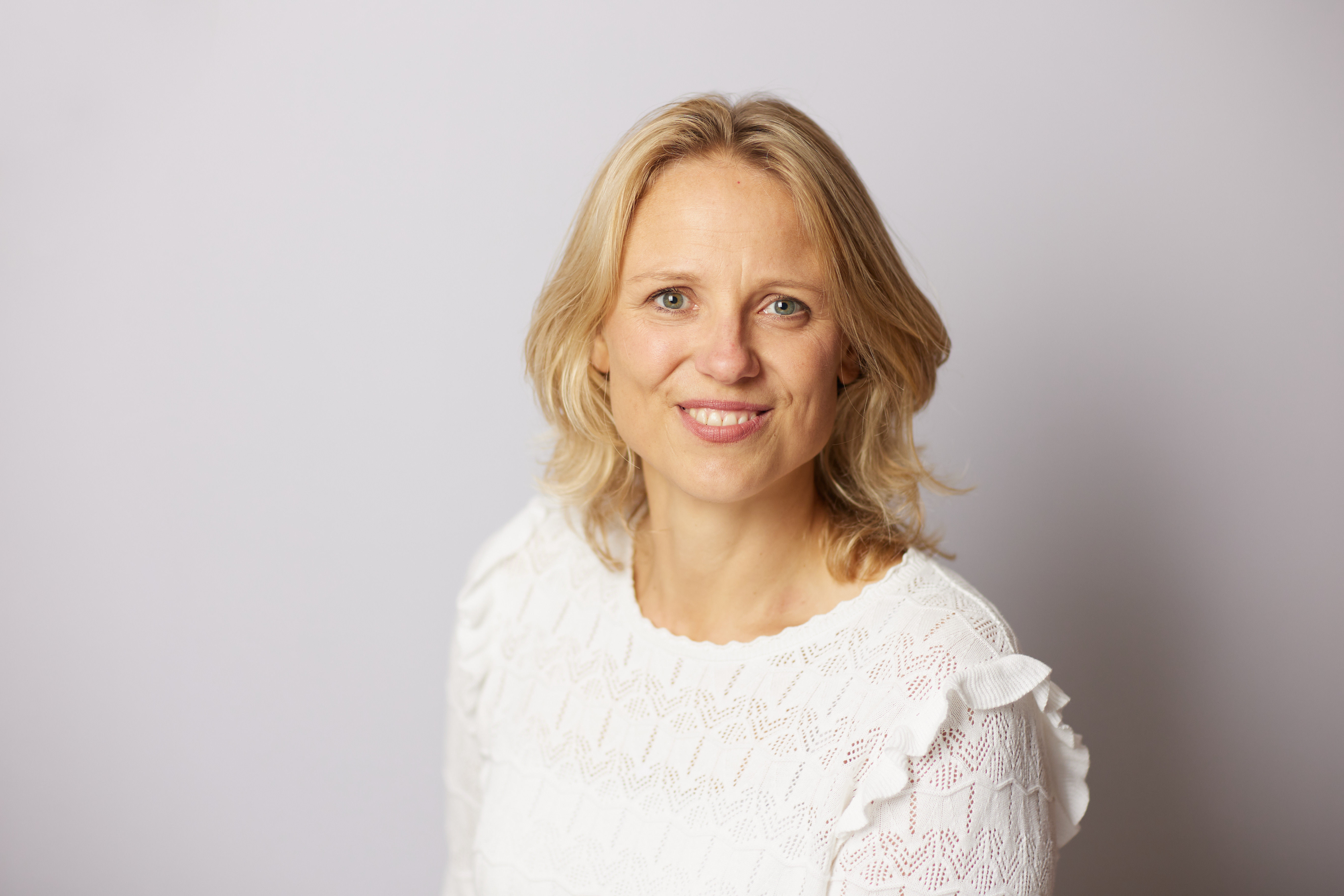 Kat James is managing director of Consultant Connect. She has worked with the NHS for the last seven years to design and deliver clinician-to-clinician communication pathways. James started her career in a consultancy in France before moving to M&A and later marketing at the energy technology group Doosan in the UK. She then spent a large part of her career at information technology corporate Atos in Germany within sales, marketing, and general management. Her experience includes strategy, transformation, portfolio management, partnering, and joint ventures. James’ focus at Consultant Connect is to lead on new customer engagements and drive the international expansion.