DTC pharma is America’s newest care pathway. TrumpRx has exposed the vacuum surrounding it.

A new care pathway has emerged in the United States, and patients are already using it every day. Direct-to-patient (DTP) platforms – defined as a digitally enabled, end-to-end treatment model in which pharmaceutical companies and their partners deliver clinical evaluation, prescribing, medication access, and longitudinal support directly to patients, creating a parallel care route outside traditional provider and pharmacy channels – now guide individuals from symptom assessment through prescription, home delivery, and ongoing support.
This new care delivery model has exposed the frustration that American patients have with the current system. Wait a month for a dermatology appointment, or two for a behavioural health visit. Endure stigma when seeking help for weight management.
In the wake of downward pricing pressure from the Inflation Reduction Act and Most Favoured Nation proposals, combined with new and intensifying FDA oversight and congressional scrutiny of DTC advertising and widespread exasperation with PBMs as greedy middlemen, this new pathway is expanding far faster than the oversight, standards, and evidence needed to keep pace.
Why DTP is accelerating
Most major pharmaceutical companies have now launched a direct platform: LillyDirect, PfizerForAll, NovoCare, AstraZeneca Direct, AmgenNow, and a growing number of specialty programs across cardiometabolic, respiratory, neurology, and autoimmune conditions. While each company has its own strategy, the underlying forces are shared. Patients want convenience, transparency, and immediate access. Pharma wants predictable economics and relief from PBM distortion. Policymakers want lower list prices and alternatives to traditional distribution models. And into this mix came TrumpRx, treating DTP pathways as part of a national infrastructure for drug access and simultaneously highlighting that we’ve effectively created a new care pathway without defining its rules or responsibilities.
DTP platforms have rapidly grown far beyond the stereotype of online coupon hubs. Many now offer integrated clinical intake, remote evaluations, prescribing, fulfilment, adherence monitoring, lifestyle support, and ongoing engagement. They verify benefits. They coordinate prior authorisation. They provide pharmacists, navigators, and behavioural support. For many therapies, this now mirrors, or even replaces, the traditional multi-step care journey that runs through primary care, specialty care, brick-and-mortar pharmacies, and insurer adjudication.
It would be easy to attribute the rapid scaling of DTP pathways to the enthusiasm for GLP-1s. And while demand for weight management therapies may have accelerated adoption, the model is already expanding into hypertension, dyslipidemia, sleep medicine, migraine, menopause, dermatology, mental health, and early cognitive decline. These are not niche areas. However, their treatment does require clinical rigour, diagnostic accuracy, and longitudinal management.
The risks we must address
Today’s DTP platforms vary widely in standards, screening protocols, clinical follow-up, data use, and integration with a patient’s broader care team. This inconsistency creates risk for a care pathway that is rapidly becoming an alternative primary care pathway driven by both patient need and preference. It also raises the possibility of a two-track future in which large pharmaceutical companies with vast portfolios and market power can design and sustain DTP strategies, while small and mid-sized manufacturers, as well as medical device companies, struggle to participate despite having therapies patients need.
The economics of DTP remain confusing for patients. Some discounted cash prices truly improve affordability. Others exceed what a patient would pay under their insurance benefit. Patients often do not know that tradeoff, and platforms are not required to disclose it. And it’s worth remembering that cash pay options do not count towards a patient’s deductible. With PBM distrust at an all-time high and list price reforms reshaping pricing dynamics, transparency becomes even more essential. Without it, the DTP model risks reinforcing inequities and shifting financial burden onto patients who lack the time, information, or resources to comparison-shop.
What it will take to get this right
DTP has enormous potential to expand access, reduce administrative friction, shorten time to treatment, support adherence, and give patients more control over their care. But without shared standards, evidence, and governance such as clear criteria for clinical appropriateness, transparent pricing expectations, safeguards against responsible advertising, protections against data misuse, and minimum requirements for continuity of care, DTP risks deepening fragmentation and allowing economic incentives to define care pathways, rather than patient needs.
Well executed, DTP can and should become a powerful extension of the healthcare system, not a workaround for its failures. Poorly executed, we risk creating a parallel system shaped by commercial urgency, rather than clinical need. The stakes are too high to leave this to chance.
DTP is here. It offers a powerful pathway to transforming how Americans access care. As policy tailwinds increase, it deserves the same rigour and accountability we expect across the rest of the healthcare system. Now, the medical product development industry has a responsibility to establish DTP as a care pathway at scale that improves access, strengthens trust, and enhances quality, rather than one that evolves haphazardly and exacerbates the very problems it seeks to solve. Only with this intentionality will this new care pathway fulfill its promise, rather than replicate the failures of the one patients are so desperate to move beyond.
About the author
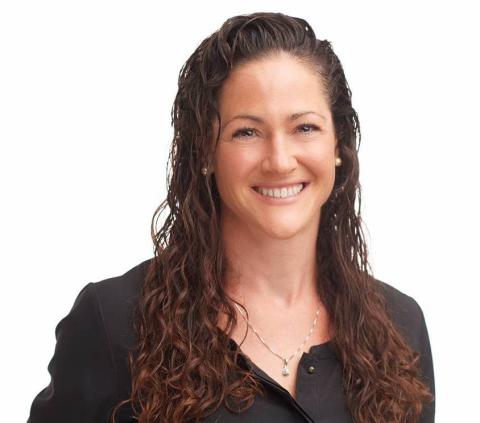
 Jennifer C Goldsack is the founder and CEO of the Digital Medicine Society (DiMe), a 501(c)(3) non-profit dedicated to advancing digital medicine to optimise human health. Her work focuses on practical approaches to the safe, effective, and equitable use of digital technologies to improve health, healthcare, and health research. Goldsack also brings the perspective of a patient navigating late-stage cancer, adding urgency and authenticity to her commitment to reshaping health care. She is a retired elite athlete – a Pan American Games champion, Olympian, and former world record holder. Goldsack serves on the board of Sage Bionetworks, is a member of the National Academies of Sciences, Engineering, and Medicine’s Roundtable on Genomics and Precision Health, contributes to the World Economic Forum’s Digital Health Action Collaborative, and is an Executive Committee Member of the US Department of Health and Human Services’ National Committee on Vital and Health Statistics (NCVHS). Goldsack earned a Master’s degree in Chemistry from the University of Oxford, a Master’s in the History and Sociology of Medicine from the University of Pennsylvania, and an MBA from the George Washington University.