12 Questions with Rick Coope
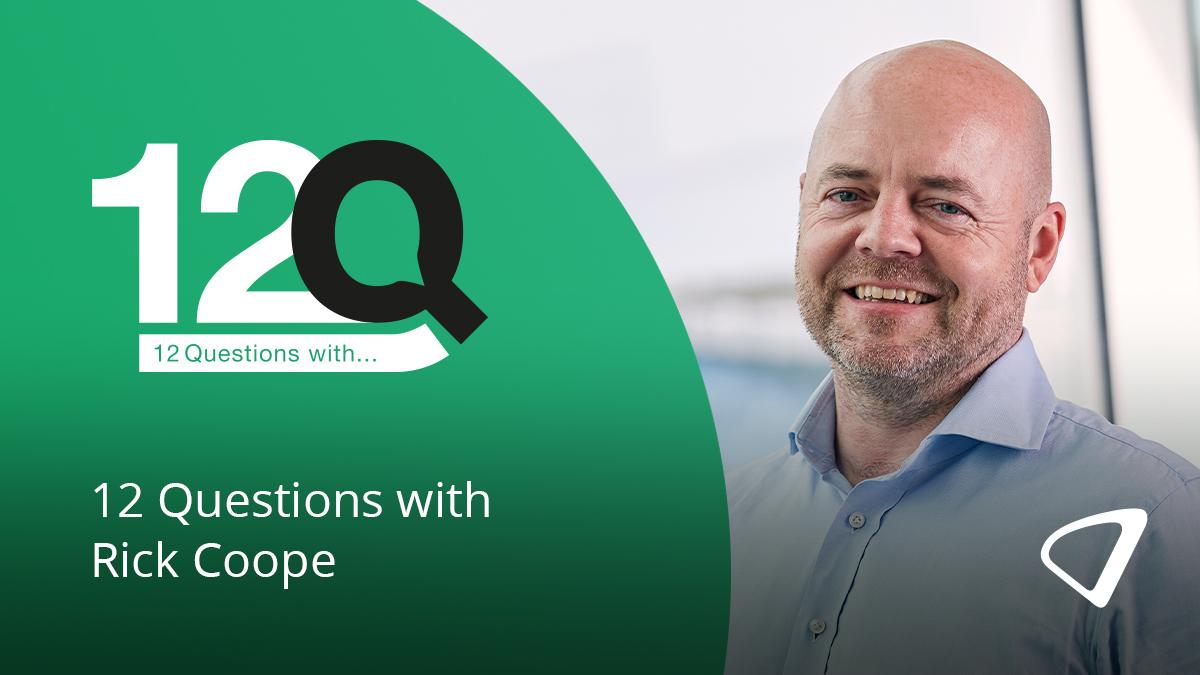
Rick Coope is General Manager at Menarini Stemline UK, Ireland, and the Nordics. With nearly 30 years of experience in healthcare, Coope has held senior roles across pharma, biotech, and start-ups in Germany, Switzerland, and the UK. His career has spanned commercial strategy, marketing, and business development, leading teams at both European and country level.
What are the main responsibilities of your current role? I lead Menarini Stemline’s operations across the UK, Ireland, and the Nordics, overseeing an exceptional cross-functional team of around 30.
My focus is on driving rapid access to our oncology portfolio, ensuring patients and health services feel the full benefit of our medicines. To achieve this, I’m building and empowering a high-performing, adaptable team who can act as true partners to our oncology stakeholders.
What’s your background prior to this role and how did it prepare you for the work you do now? I’ve always been fascinated by science, especially the kind that challenges convention. That curiosity, coupled with an interest in business, led me to pharma.
Since starting, I have held in-market leadership roles in Switzerland and Germany and was previously commercial lead for Northern Europe at an oncology-focused biotech start-up.
This mix of experiences across roles, markets, and company sizes has given me a broad perspective on how to overcome complex, often unique challenges in getting medicines to market.
What is your proudest accomplishment to date? Professionally, I would say building the Menarini Stemline entity in the UK, Ireland, and Nordics from the ground-up has been incredibly rewarding. I am very proud of the team culture we have built – and the impact we are now having on cancer outcomes.
A standout example of this in practice was our team’s ability to successfully navigate three highly complex NICE submissions over the past 12-18 months. They truly went above and beyond – in a difficult environment – to enable patient access in multiple myeloma and metastatic breast cancer.
On a more personal note, seeing my two boys thrive and develop skills for the future is a constant source of pride.
What motivates you about working in pharma? I thrive on the fact that every day I can come to work and shape positive change for people with cancer. We are truly part of reimagining what cancer care looks like.
Of course, part of this is a responsibility to ensure patients can actually access the treatments we bring forward; this weighs heavy, but keeps us focused.
What is your personal mission statement? What values keep you centred in your work? My mission is simple: deliver beyond expectations.
You have to build change, not wait for it: that means moving fast, staying adaptable, and forming lasting partnerships grounded in trust and transparency.
Maintaining a bold mindset and a willingness to be a positive disruptor are values I strive to embody personally, while also embedding them across the team, so we collectively challenge convention, work together effectively, and turn scientific progress into genuine impact.
What are your biggest short-term goals for this year and next year? My immediate goal is to ensure our treatments in breast and haematologic cancers are firmly established in clinical practice, so patients with the highest unmet needs benefit without delay.
In breast cancer, this means supporting clinicians and the NHS to integrate novel approaches for patients who have progressed after standard options. In haematology, it is about offering meaningful choices to those with relapsed or refractory disease.
We have further indications on the horizon, but I’m also looking at how we want to grow as a business – adding exceptional individuals to our team who share our passion and vision.
What are your biggest long-term goals for five years or 10 years from now? Over the longer term, my goal is to establish Menarini Stemline as a trusted, leading partner in oncology. This will be about building lasting relationships with clinicians, NHS organisations such as Genomic Medicine Services, Cancer Alliances, and Integrated Care Boards, as well as patient advocacy groups.
I want us to be working across the cancer ecosystem to optimise pathways, improve equity of access, and ensure the real-world needs of people living with cancer are reflected in how we bring therapies forward.
What are the most important professional skills in your work and how do you hone them? Communication is undoubtedly one of the most important skills. If you can’t get your message across – or you don’t deliver it in the right way – nothing else works. Resilience and emotional intelligence are equally key, especially when navigating pressure or change.
A big part of honing these skills is by intentionally creating a team environment where honesty and transparency are the norm. This means actively seeking feedback, being open around challenges and, in turn, encouraging colleagues to do the same.
Being in a team that challenges each other constructively and trusts one another allows these skills to grow in a way that directly supports better collaboration and innovation.
If you could change one thing about the pharma industry, what would it be? I would say really looking at every tool we have to increase the pace and flexibility with which we bring innovation to patients. Striving to leave no one behind.
This is exactly what I’m trying to achieve in my role at Menarini Stemline. In previous roles, I’ve seen how slow-moving processes and entrenched ways of doing things can delay access to therapies that could make a real difference.
That’s why it’s so important to me that my team dare to do things differently. We focus on building dynamic, solutions-focused partnerships with clinicians, NHS organisations, and patient groups, centred on real-world needs so that our bold, patient-focused solutions can reach the people who need them most.
In your opinion, what has changed most about the industry since the start of your career? The scale of commercial operations and the way pharma is structured has changed a lot. Back then, commercial was the dominant force, while functions like medical and market access either didn’t exist or had little influence.
Now, it’s almost the reverse – we’ve shifted towards a high-science approach with far more specialist expertise in areas like access and medical. At Menarini Stemline, this is exactly what we have embraced: a collaborative, science-driven model that encourages partnership across functions. It’s a positive change, moving the industry towards greater collaboration and innovation.
What are your hobbies? What do you do in your free time? I am a keen sportsman, having captained and played in the National Hockey League in the UK, Germany, and Switzerland. Currently, I play for St Albans Hockey Club and enjoy getting involved in the leadership and coaching side of the club.
On a more social level, I enjoy skiing and golf, spending time with family and friends, and have recently developed an interest in BBQ/smoking, so am trying to learn how to be an expert chef!
What sports do you follow and who do you root for? I love watching live sport: cricket, rugby, golf, and football. What impresses me most is the excellence and teamwork on display; the recent Test series between India and England was fascinating.
Connect with Rick Coope on LinkedIn.