White House retreats from block on NIH research funding
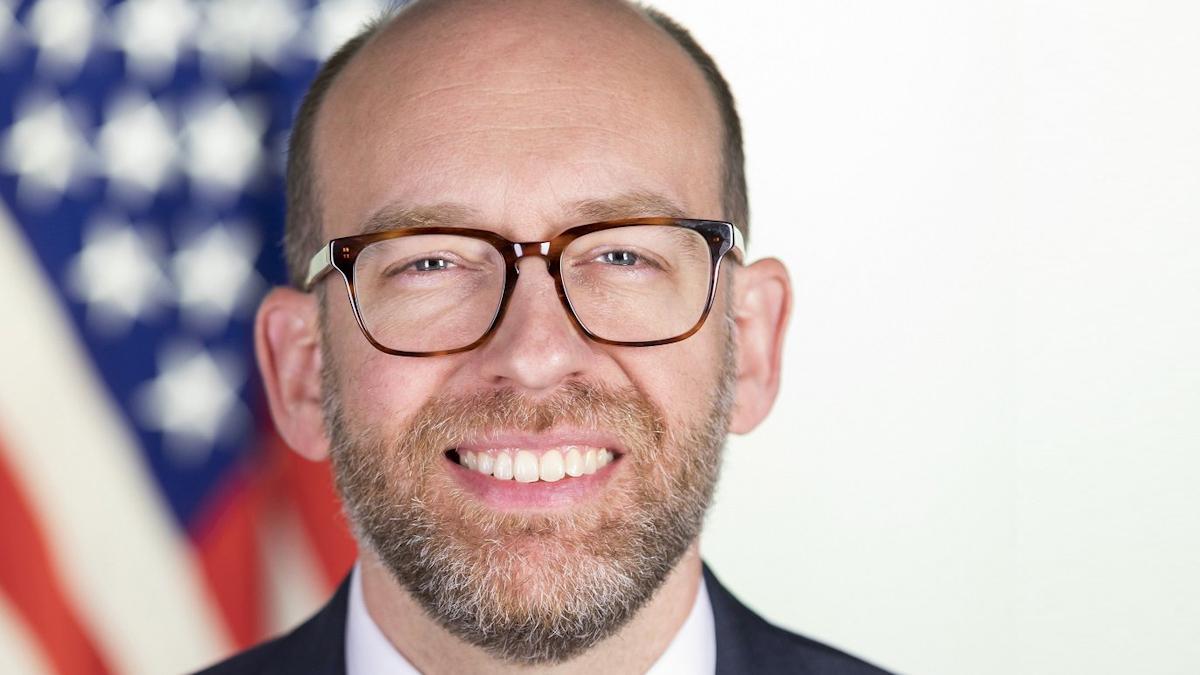
Office of Management and Budget (OMB) Director Russell Vought.
A move by the Trump administration to block new NIH research funding for external research teams, as well as some renewals, appears to have been abandoned.
There was consternation among the research community yesterday after it emerged that the White House's Office of Management and Budget (OMB) issued a document with a footnote that ordered all NIH funding for the remainder of the fiscal year to go to internal NIH salaries and expenses, with no new allocations to external projects.
A report in the Wall Street Journal said the order from OMB director Russell Vought was rescinded after the intervention of "senior White House officials," despite what has been viewed in some quarters as a relentless effort by the Trump administration to shrink US spending on biomedical research.
Senior figures in the Democrat party, as well as some Republican lawmakers, have expressed concerns about the allocation of budget already earmarked for research funding through the NIH.
House Appropriations Committee and Labor, Health and Human Services, and Education Subcommittee Ranking Member Rosa DeLauro (D-CT) branded the attempt to block an estimated $15 billion in R&D funding illegal.
"This freeze will block research on diseases affecting millions of American families – research that brings hope to countless people suffering," said DeLauro.
"Congress decided how to spend these funds for biomedical research, and the President signed the bill into law. Vought, an unelected bureaucrat, cannot steal billions in congressionally approved research funding," she added, pointing out that Vought had failed to follow the law on public disclosure of the OMB funding decision.
Last week, Vought told CBS that the OMB is working to claw back funding to federal agencies, even if it has been approved by Congress, through "rescissions packages." Having already recouped $10 billion from the Department of Education, he said that the OMB was "going through the same process" with the NIH, and funding would be released only when that review was completed.
Senior Republicans have become concerned at the impact on the NIH – already facing departures of senior leaders, staffing reductions, cuts to longstanding public health projects, and caps on indirect funding of basic research infrastructure – as well as US biomedical research more widely.
Senator Katie Britt (R-AL), a member of the Senate Appropriations Subcommittee on Labor, Health and Human Services, Education, and Related Agencies (Labor-HHS), penned a letter to Vought alongside more than a dozen of her Republican colleagues that suggested the block on NIH funding was impeding Trump’s goals of "curing diseases and making America healthy again."
They wrote: "We are concerned by the slow disbursement rate of FY25 NIH funds, as it risks undermining critical research and the thousands of American jobs it supports. Suspension of these appropriated funds – whether formally withheld or functionally delayed – could threaten Americans’ ability to access better treatments and limit our nation’s leadership in biomedical science."
The near-term funding issues come against a backdrop of an attempt by the Trump administration to slash the NIH's discretionary budget by nearly 40% in fiscal 2026, from about $46 billion to less than $28 billion, which would be the largest cut to the agency in decades.