UK's Cytospire draws in $83m for new T-cell engager platform
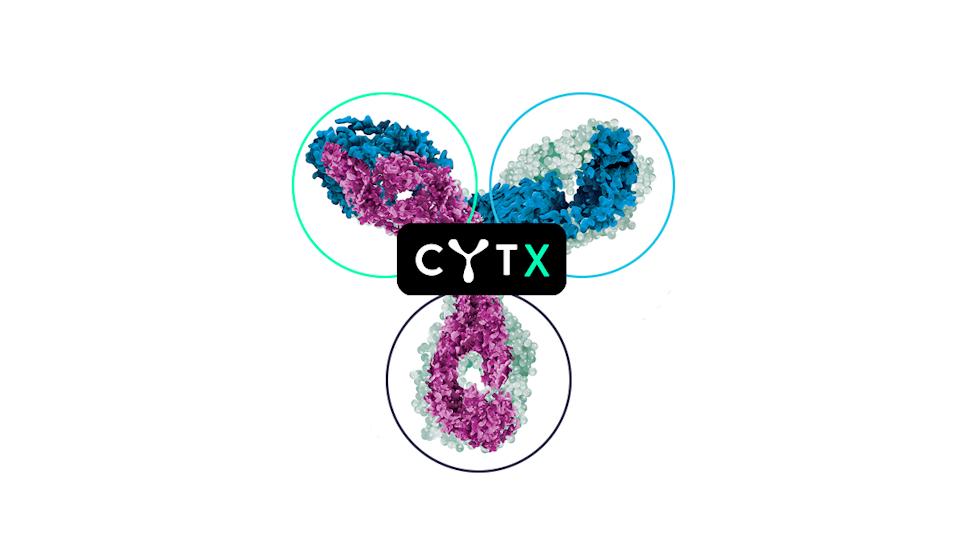
Cytospire Therapeutics was in the spotlight this morning after announcing an oversubscribed Series A to fund a new form of T-cell engager (TCE) that it thinks can improve on the efficacy and safety of current therapies.
London, UK-based Cytospire said this morning that it has raked in £61 million ($83 million) in the round, which will fund its development of "pan-gamma delta" TCEs, targeting a subset of 'unconventional' T lymphocytes that express different T-cell receptor types to their more common counterparts.
The company's CYT X discovery engine generates TCEs that bind and activate T-cells in the peripheral blood as well as in tissues, such as the tumour microenvironment, and it thinks this could boost their efficacy compared to conventional TCEs, which are often directed at the CD3 receptor on T-cells.
At the moment, TCEs – generally bispecific antibodies – are one of the hottest areas in pharma R&D, mainly in oncology and immunology, with several drugs already on the market. They offer an off-the-shelf alternative to therapies based on engineered T-cells, which are harder to make, carry significant side-effect risks, and often require an intense pre-conditioning chemotherapy regimen.
There are limitations to the current crop of therapies targeting CD3 and a disease-associated antigen, including that not many antigens are found only on diseased cells, leading to off-target toxicities.
Cytospire says its TCEs are better at distinguishing between the same antigen on a healthy and diseased cell, are less likely to stimulate the release of inflammatory cytokines that can also cause side effects, and "act at the nexus of innate and adaptive immunity."
Other groups have been looking at gamma delta TCEs, but most have focused on a group found in peripheral blood only, and Cytospire maintains that its candidates – working in blood and tissues – could have an edge. Its lead candidate, CYT X300, is targeting EGFR-positive cancers and hasn't yet started clinical testing.
A first-in-human clinical study is being planned to evaluate CYT X300 as a treatment for EGFR-positive solid tumours, such as colorectal, head and neck, and non-small cell lung cancers, said the company in a statement.
The Series A financing was led by 4BIO Capital, with major new investors Servier Ventures, Sound Bioventures, British Business Bank, and Criteria Bio Ventures, supported by existing investors Abingworth and LifeArc Ventures.
"Immune cell engagers are an important type of cancer immunotherapy, but we know that there are significant limitations from both an efficacy and safety perspective with conventional CD3 T-cell engagers," said Cytospire's chief executive, Natalie Mount.
"We are building on the growing body of translational and clinical data showing gamma delta T-cells are critical components of the anti-cancer immune response, with biology ideally suited to novel cell engagers."
The sizeable round adds to the sense of recovery in UK biotech industry investing since the start of 2026, driven by a rebound in venture capital investment.
Figures released by the UK BioIndustry Association (BIA) last week showed total equity financing reached £552 million between in the first three months of the year, up from £466 million in the fourth quarter of 2025, but below the £924 million recorded in the first quarter of last year, which was inflated by a small number of 'megadeals', notably big rounds for AI specialist Isomorphic Labs and obesity-focused biotech Verdiva.