UCB bags FDA okay for first drug to treat rare disease TK2d
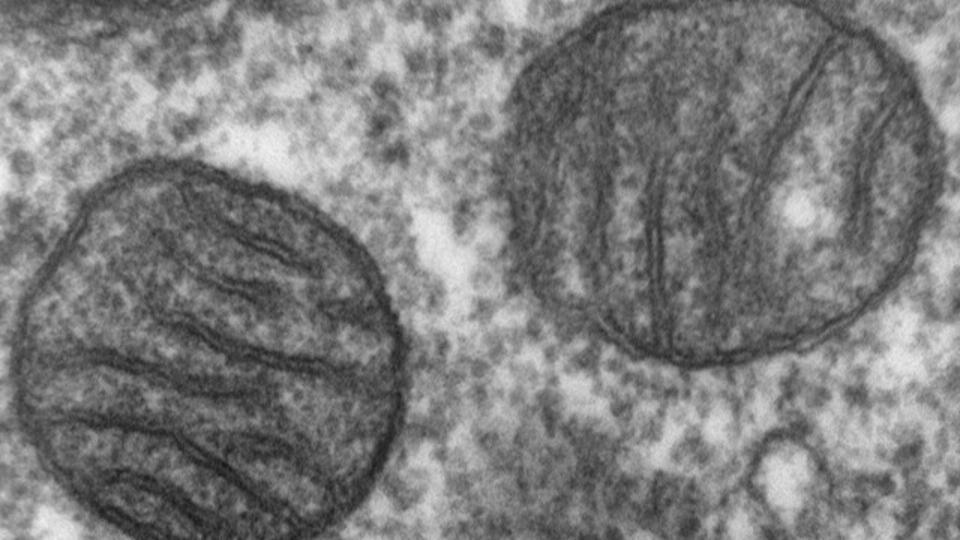
Transmission electron microscope image of a thin section cut through an area of mammalian lung tissue. The high magnification image shows two mitochondria.
People living with thymidine kinase 2 deficiency (TK2d), a vanishingly rare and often fatal genetic disorder, finally have an approved therapy.
Belgian biopharma company UCB has just received a green light for Kygevvi, based on pyrimidine nucleosides doxecitine and doxribtimine, which is designed to correct a genetic defect in TK2d that prevents cells from producing and repairing mitochondrial DNA.
That defect leads to severe muscle weakness that can progress rapidly and plays havoc with patients' ability to walk, eat, and breathe independently. Most individuals live between 20 and 30 years after the start of symptoms, but many of those diagnosed with TK2d in childhood do not survive beyond teenage years due to respiratory failure.
As of 2018, just over 100 cases had been reported in medical literature, although it may be underdiagnosed because symptoms overlap with other diseases. Its estimated incidence is 1.64 cases per million people worldwide.
The US is the first country worldwide to approve Kygevvi, an oral solution that can be used to treat paediatric and adult patients with TK2d with an age of symptom onset of 12 or lower.
At this year's Muscular Dystrophy Association (MDA) conference, UCB presented data showing that in this group, treatment reduced the risk of death by over 90% from symptom onset and 86% from the start of treatment. The results were subsequently published in the journal Neurology.
Additionally, 75% of these patients regained at least one previously lost motor skill, and many were able to reduce or stop ventilatory support. The therapy was generally well tolerated, with diarrhoea as the most commonly reported side effect.
Early MDA research grant funding supported Dr Michio Hirano at Columbia University to develop a TK2-deficient mouse model, which proved that targeted treatments could restore mitochondrial function.
That research led to the FDA granting compassionate use of the doxecitine and doxribtimine treatment in Arturito Estopinan, who was diagnosed with TK2d at 14 months in early 2012. He was the first patient to receive the drugs, and the youngest subject enrolled in UCB's clinical trial.
Hirano said the FDA approval marks the culmination of decades of research and collaboration.
"We saw the potential of pyrimidine nucleosides to restore mitochondrial function early in our mouse studies," he added. "When Arturito's condition rapidly declined, we sought compassionate use because we believed in the science, and more importantly, in the urgent need to act. Today's approval validates that hope for many families."
UCB has scheduled a launch for Kygevvi in the US in the first quarter of 2026, and has also filed for approval of the drug in the EU. The therapy has been awarded Priority Medicine (PRIME) status by the EMA, breakthrough status by the FDA, and a Promising Innovative Medicine (PIM) designation in the UK.