Roivant wins FDA approval for first targeted dermatomyositis treatment
After a series of bumps in the road, Roviant and Priovant Therapeutics have finally secured US approval for the once-daily oral TYK2/JAK1 inhibitor, Lisraya (brepocitinib), for adults with dermatomyositis (DM).
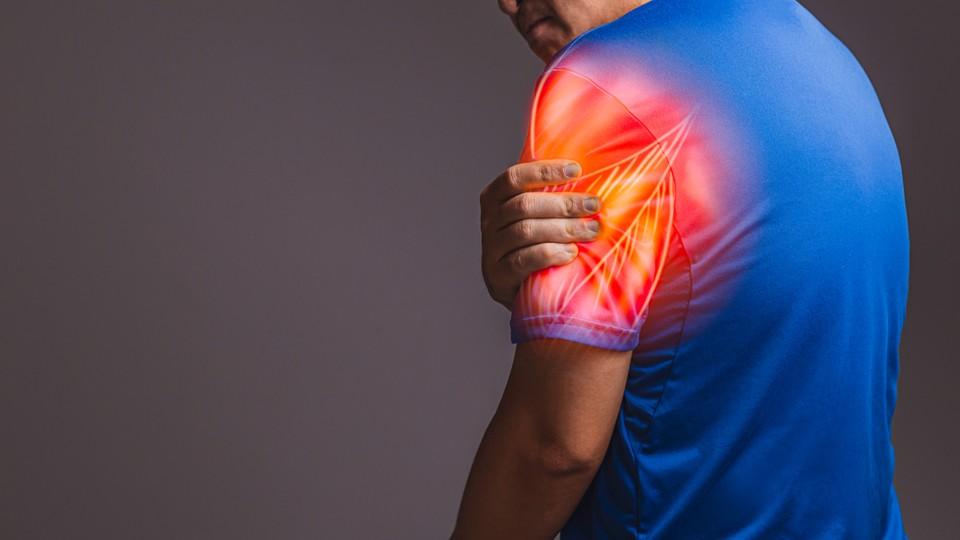
Dermatomyositis is a rare autoimmune disease in which the immune system attacks the muscles and skin, causing inflammation that can lead to progressive muscle weakness and painful or itchy skin lesions. This can significantly affect patients’ ability to carry out everyday activities and often requires long-term treatment.
Lisraya is a first-in-class Janus kinase (JAK/TYK2) inhibitor, originated by Pfizer, before being spun out and developed by the specialist company Priovant Therapeutics. It works by blocking the JAK pathway, which plays a primary role in the body’s inflammatory responses, effectively disrupting the immune response responsible for dermatomyositis symptoms.
“For many decades, the treatment of dermatomyositis has relied on chronic steroids, non-specific immunomodulators, and intravenous immunoglobulin – therapies not targeted to the underlying disease pathobiology. The approval of LISRAYA marks a turning point for patients living with dermatomyositis,” said Ruth Ann Vleugels, MD, MPH, MBA, Heidi and Scott C Schuster Distinguished Chair in Dermatology, founding director of the Autoimmune Skin Disease Center and Connective Tissue Disease Clinics at Mass General Brigham, and Professor of Dermatology at Harvard Medical School, in a statement.
She added: “For the first time, I am thrilled to be able to offer my patients a targeted, once-daily oral medicine that delivers meaningful benefit across muscle, skin, and overall disease activity while simultaneously reducing reliance on systemic corticosteroids.”
The FDA’s decision was supported by results from the Phase 3 randomised, double-blind, placebo-controlled study VALOR trial, which evaluated 241 adults with dermatomyositis over a 52-week period.
Results from the trial showed that patients treated with a 30 mg dose of brepocitinib reached a higher level of improvement, as measured by the myositis Total Improvement Score, a standardised tool that tracks changes across six areas, including muscle strength, physical function, skin and other disease activity, muscle enzymes, and both physician and patient assessments of overall health.
By week 52, of those treated with the drug 55% achieved both moderate or better improvement on the Total Improvement Score and minimal or no steroid use, compared to 30% on the placebo. Moreover, patients reported minimal or no steroid use by the end of the study. Among patients receiving brepocitinib who were taking ≥7.5 mg/day of oral corticosteroids at the start of the trial, 62% reduced their dose to 2.5mg or less by the end of the 52-week study, compared with 38% on placebo, while 45% came off corticosteroids entirely, compared with 29% on placebo.
"We are hopeful the approval of LISRAYA in DM will be the first of many for brepocitinib, and will provide an important new treatment option for these patients," said Matt Gline, CEO of Roivant. "I'm proud of the work our teams have put in to get here, and we remain focused on advancing our late-stage programmes in non-infectious uveitis, cutaneous sarcoidosis, and lichen planopilaris - all also diseases where patients have been waiting a long time for better options.”