
Otsuka preps for July decision on centanafadine for ADHD
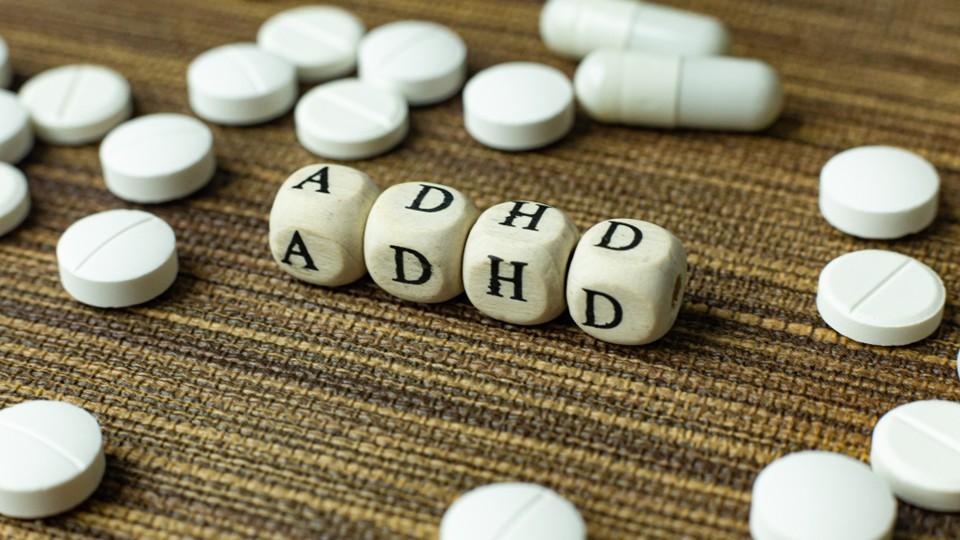
The FDA has started a priority review of Otsuka Pharma's triple-acting drug for attention-deficit hyperactivity disorder (ADHD), centanafadine, setting up a decision by 24th July.
Centanafadine is pitching to be the first norepinephrine, dopamine, and serotonin reuptake inhibitor (NDSRI) to reach the market for ADHD, and has been filed for approval to treat children, adolescents, and adults with the neurodevelopmental disorder.
Otsuka acquired the once-daily oral drug, formerly known as EB-1020, when it bought privately-held biopharma company Neurovance for up to $250 million in 2017, including an upfront payment of $100 million.
It has been held up by Otsuka as a new, non-stimulant ADHD treatment, with low abuse potential and a favourable safety profile, particularly with regard to symptoms like insomnia, that could grow into a JPY 100 billion ($650 million) product at its peak.
The marketing application is backed by four phase 3 trials, which showed that centanafadine achieved statistically significant improvements in ADHD symptoms, based on the ADHD-RS-5 scale in children and adolescents and the AISRS scale in adults. The studies – which recruited patients from the age of four upwards – showed improvements across the main attention, hyperactivity, and impulsivity symptoms of the disorder.
If approved by the FDA, it will be the first new non-stimulant therapy for ADHD in the US since Sage Therapeutics' Qelbree (viloxazine), which works as a selective norepinephrine reuptake inhibitor (NRI). It is now owned by Supernus following its $795 million takeover of Sage last year.
Qelbree has been growing fast, and sales are likely to top $200 million in 2025, with some analysts predicting it could eventually reach around $500 million a year. Other recent launches include Noven's stimulant therapy Xelstrym (dextroamphetamine), the first transdermal patch-based therapy for ADHD, which was launched in 2022.
ADHD affects approximately 7 million children in the US and an estimated 15.5 million adults, according to figures from the Centers for Disease Control and Prevention (CDC). There has been an explosion in the diagnosis of ADHD in adults over the last few years due to increased awareness on social media, reduced stigma, and better recognition of symptoms.
"ADHD manifests differently across patients, highlighting the importance of having multiple therapeutic approaches available," said John Kraus, Otsuka Pharma's chief medical officer. "If approved, centanafadine would offer a first-in-class NDSRI option designed to support broad symptom management."
Otsuka is on something of a roll with its late-stage pipeline, having recently picked up approvals for immunoglobulin A nephropathy (IgAN) therapy Voyxact (sibeprenlimab), an anti-APRIL antibody deemed to be a drug to watch in 2026 by IQVIA, as well as first-in-class hereditary angioedema (HAE) therapy Dawnzera (donidalorsen).













