Novo Nordisk Foundation pledges €736m for European biotech
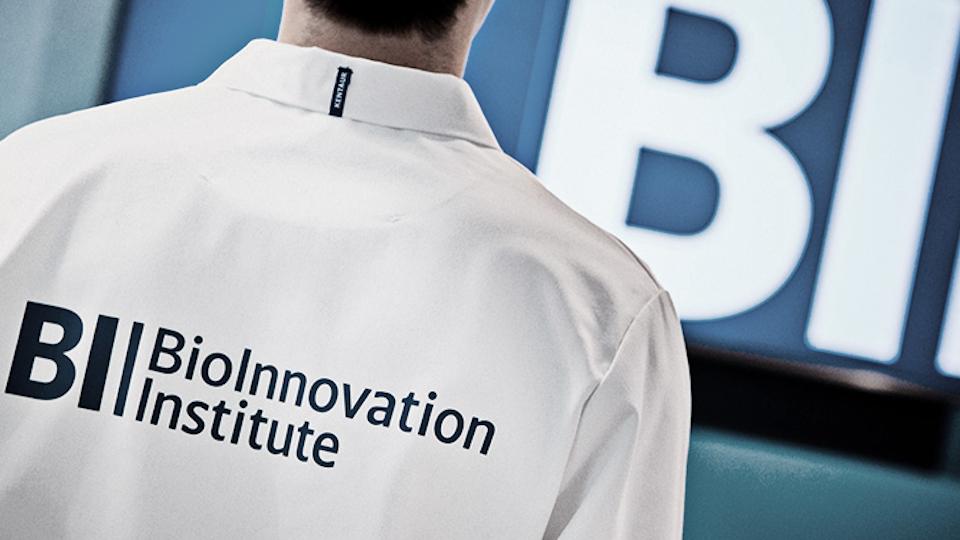
With attention in biotech focused on the JPM Healthcare conference in the US, the Novo Nordisk Foundation (NNF) has flown the flag for Europe by allocating DKK 5.5 billion (around €736 million) in funding for European start-ups.
The philanthropic non-profit organisation – which owns a controlling stake in Danish drugmaker Novo Nordisk – is providing the funding to the BioInnovation Institute (BII) incubator in Copenhagen, which will be responsible for allocating it to companies "in Denmark and Europe."
According to the NNF, Europe is currently facing a critical challenge: it is producing world-class science, but trailing behind other parts of the world when it comes to translating those discoveries into commercial ventures that can drive economic growth and create jobs.
One key factor for that is the lack of access to venture capital for innovative start-ups compared to other regions of the world, notably the US, but also increasingly Asia.
A just-published report (PDF) from the European Investment Bank (EIB) and the European Commission has concluded that access to markets and funding are the main reasons so many EU start-ups choose to relocate key parts of their business to other regions, mostly the US.
The new funding from the Foundation, which will be available over a 10-year period from 2026 to 2035, will help the BII to "expand its activities into new strategic areas and geographies, and support even more entrepreneurs and start-up companies," it said. The intention is to support projects in "human health, planetary health, and societal resilience."
The NNF is the primary funder of the BII, which was established in 2017 with the purpose of advancing research, innovation, and entrepreneurship within the life sciences. It became an independent non-profit in 2021. So far, the BII has helped to create and nurture more than 130 companies that collectively have raised more than DKK 7 billion (roughly $1.9 billion) in funding.
Recent recipients of funding from the BII include protein engineering specialist TROYA Therapeutics, Sulis Therapeutics, which is working on STING inhibitors for diseases associated with inflammation and fibrosis, and Prenaital, a start-up developing an AI platform to detect high-risk pregnancies and preterm births.
"We are giving BII the opportunity to expand its reach and further strengthen its position as a European powerhouse for innovation," commented Mads Krogsgaard Thomsen, chief executive of the NNF.
"This will prove instrumental in securing that even more science is translated into new companies, jobs, and solutions benefitting people and our planet – and ultimately driving the growth and entrepreneurial culture that will benefit European competitiveness."