Novo builds pipeline again with $2.1bn Omeros deal
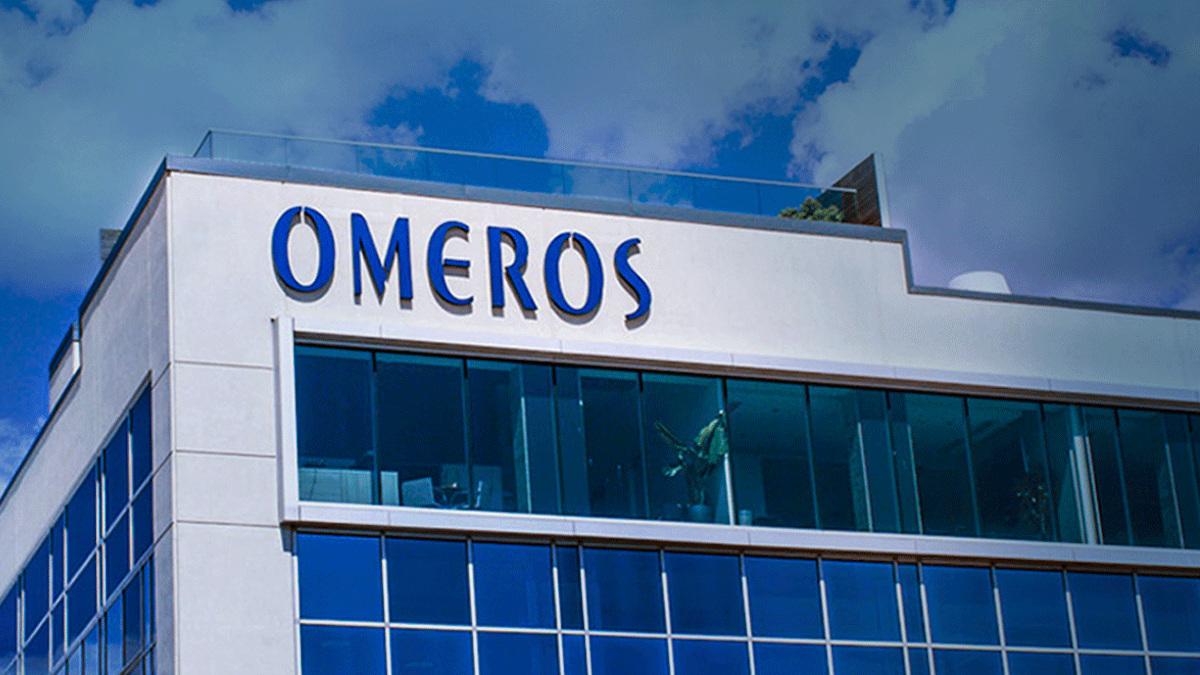
Novo Nordisk has bolstered its pipeline by paying $340 million upfront for rights to an Omeros Corp drug with potential across a range of rare blood and kidney diseases.
The agreement – which could be worth as much as $2.1 billion, taking into account potential milestone payments – gives Novo Nordisk rights to zaltenibart (formerly OMS906), an anti-MASP-3 antibody in mid-stage clinical testing.
It is the second bolt-on deal announced by Novo Nordisk in the space of a week, coming after it agreed to buy Akero Therapeutics and its phase 3-ready candidate for metabolic dysfunction-associated steatohepatitis (MASH), efruxifermin, for $4.7 billion upfront.
Novo Nordisk's interest is something of a revitalisation for zaltenibart, as Omeros placed the programme on pause earlier this year, despite encouraging phase 2 results in the lead indication paroxysmal nocturnal haemoglobinuria (PNH).
The hiatus was, however, only to allow Omeros to concentrate its resources on its lead project, narsoplimab – a MASP-2 inhibitor filed with the FDA as a treatment for stem cell transplant-associated thrombotic microangiopathy (TA-TMA) – and Novo Nordisk's involvement should get zaltenibart back on track.
In a statement, Novo Nordisk said it will start a phase 3 trial of the drug in PNH as well as "explore further development" of the drug in a range of other complement-mediated rare blood and kidney disorders.
In PNH, the body's complement system destroys red blood cells, leading to anaemia and fatigue in around 80% of cases, with some patients needing regular blood transfusions.
MASP-3 is thought to be involved in converting complement pro-factor D to its active form, factor D. Unlike current PNH drugs like complement C5 and C3 inhibitors – such as AstraZeneca/Alexion's Ultomiris (ravulizumab) and Apellis' Empaveli (pegcetacoplan) – targeting MASP-3 preserves the classical complement pathway, retaining those functions of the immune response.
Like Ultomiris, zaltenibart also offers infrequent dosing: an intravenous infusion every eight weeks. If it makes it to market, it will also compete with Roche's PiaSky (crovalimab), a C5 inhibitor that can be self-administered by patients via a monthly subcutaneous injection. AZ's oral Factor D inhibitor Voydeya (danicopan), meanwhile, is used as an add-on to C5 inhibitor therapy in patients who don't respond to C5 drugs on their own.
The deal is the latest in an effort to revitalise Novo Nordisk by new chief executive Mike Doustdar, who was brought in earlier this year to turn the business around in the face of growing competition for its diabetes and obesity products.