NICE endorses digital tools for people with asthma
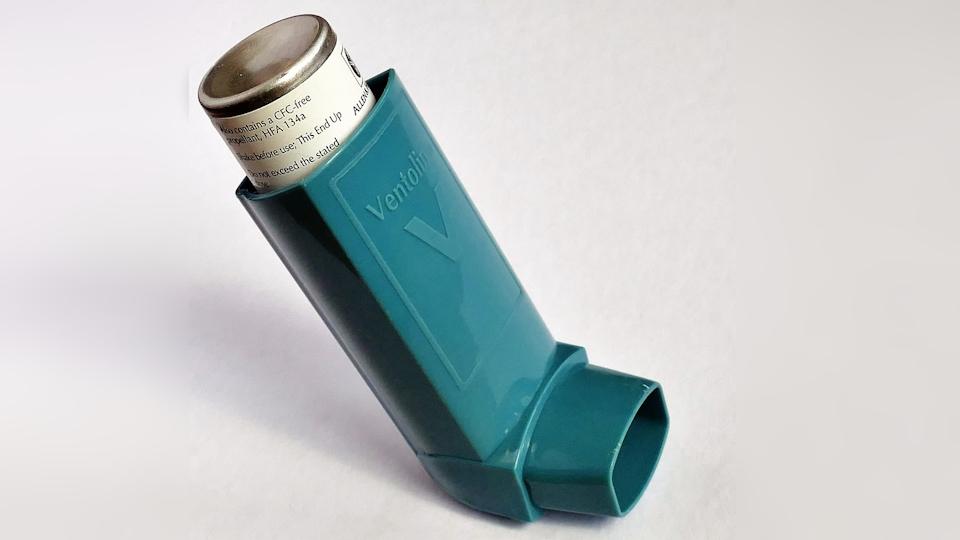
Eight digital health technologies (DHTs) designed to support people with asthma can be used by the NHS in England while additional evidence of their benefits is gathered.
That is the conclusion of the reimbursement authority for England, NICE, which said the apps, on smartphones or tablets, provide digital personalised asthma action plans that can help them manage their condition better.
The DHTs that can be used during the evidence generation phase are: the Institute of Clinical Science and Technology (ICST) Asthmahub and Asthmahub for parents apps, MediTuner's AsthmaTuner; Tiny Medical App's Digital Health Passport; Luscii Healthtech's Luscii; my mHealth's myAsthma; Aptar Digital Health's Respiratory Disease Management Platform (RDMP); and Smart Respiratory Products' Smart Asthma.
Four other DHTs – ndd Medical Technologies' EasyOne Connect, Monitored Therapeutics' GoSpiro, LungHealth's eponymous app, and Medical International Research's MIR Spiro – need more research before they can be recommended for NHS use, according to NICE, which has opened a consultation on the proposal that is open until 21st January.
They can be used to guide users on what to do when symptoms change, and provide tools to track symptoms and medication, reminders to take inhalers, and educational content, such as instructional videos on inhaler technique. Some can also share information with GPs or nurses to make appointments more efficient.
The early-use healthtech guidance allows the apps to be used for a three-year period to see if their claimed benefits are delivered in real-world clinical use.
"Our independent committee has rigorously assessed the evidence for these digital technologies and concluded they show real promise in helping people better manage their asthma," said Dr Anastasia Chalkidou, healthtech programme director at NICE.
"We know that people from deprived areas are three times more likely to have asthma and experience worse outcomes. Reducing health inequalities is central to our work, and these technologies could help address that by offering personalised support in a format that works for more people," she added.
Algorithm to support spirometry
Meanwhile, NICE also published new guidance supporting NHS use of an AI-based automated tool, ArtiQ's ArtiQ.Spiro, which supports lung function testing for asthma and chronic obstructive pulmonary disease (COPD) using spirometry.
ArtiQ.Spiro can also be deployed by the NHS during an evidence-gathering phase and, according to the health technology assessment (HTA) agency, could help address a backlog of people waiting for diagnostic testing.
NICE reckons there are an estimated 200 to 250 patients per 500,000 people awaiting assessment who will benefit from the DHT, which will allow spirometry to be carried out closer to their homes by a broader range of healthcare staff.
Evidence for four other DHTs – the same as those listed above – is not yet strong enough for a recommendation, according to the guidance, which also has a consultation phase that closes on 21st January.
Image by InspiredImages from Pixabay