MSD, AZ partner LaNova bought by Sino Biopharm for $951m
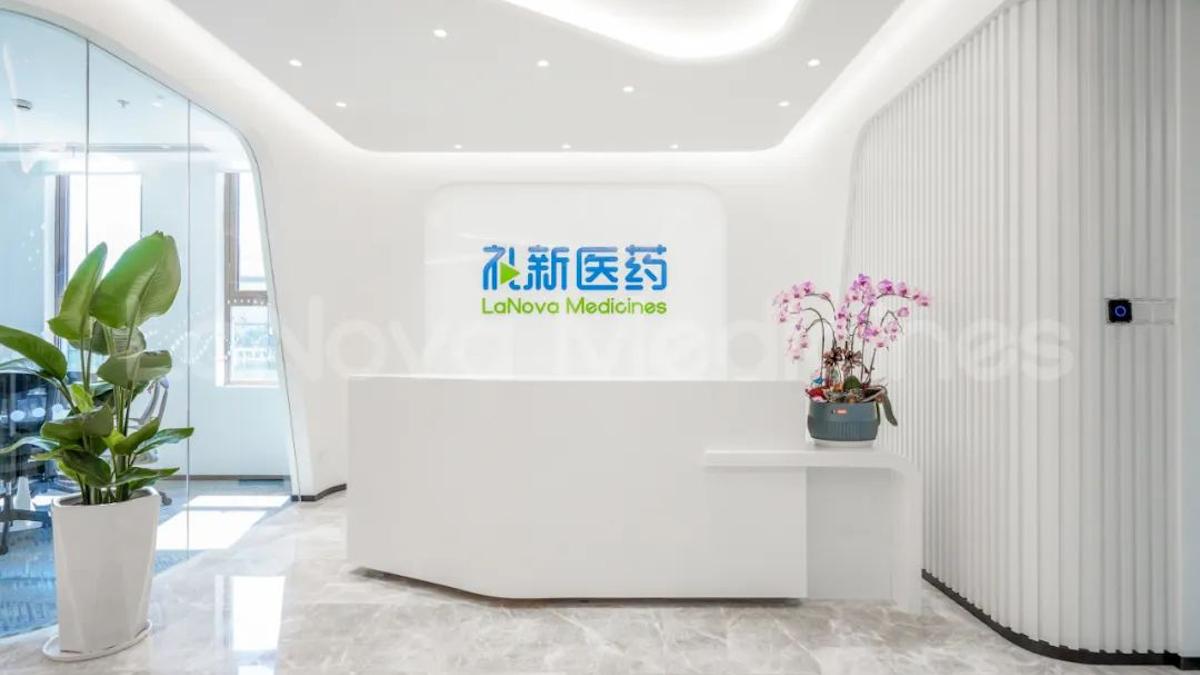
In a case of consolidation in the Chinese pharma sector, LaNova Medicines is being bought out by minority shareholder Sino Biopharm in a deal valued at around $951 million.
Under the terms of the deal (PDF), Sino Biopharm will take control of the approximately 95% of LaNova that it does not already own, with the net cost of the acquisition totalling around $500 million after taking into account LaNova's cash reserves of around $450 million.
Assuming that it completes – there is a 30-day timeline to close the transaction – LaNova will become a wholly-owned subsidiary of Sino Biopharm.
LaNova has been thrust into the limelight in the last couple of years thanks to licensing deals with big pharma groups MSD (known as Merck & Co in the US and Canada) and AstraZeneca involving drug candidates for cancer.
Last November, MSD paid $588 million upfront for rights to PD-1 and VEGF-directed drug candidate LM-299, with another $2.7 billion in potential milestone payments, giving it a potential successor to blockbuster PD-1 inhibitor Keytruda (pembrolizumab) – and an answer to the competitive threat posed by other PD1 and VEGF-targeted drugs from Summit Therapeutics/Akeso and BioNTech/Biotheus.
AZ turned to the Shanghai-based biotech in 2023 for an addition to its pipeline of antibody-drug conjugates (ADCs) for cancer, paying $55 million upfront, with another $545 million at the back end, for rights to LM-305. The GPRC5D-directed ADC is in clinical trials for blood cancers, including relapsed/refractory multiple myeloma.
LaNova, meanwhile, previously had a licensing agreement in place with Bristol Myers Squibb for LM-302, an anti-Claudin18.2 ADC in early clinical development, but handed back rights last year, according to an ApexOnco report.
Hong Kong-based Sino Biopharm, which took its stake in LaNova when it participated in the company's $42 million financing round last year, said that the takeover will "significantly accelerate the company's core competitiveness and international influence in the field of oncology innovation."
It also pointed to LaNova's wider pipeline, which also includes LM-108, a potential first-in-class CCR8-targeting antibody in phase 2 trials in China for solid tumours, including gastric or gastroesophageal junction (GEJ) adenocarcinoma, as well as LM-302, which has advanced into phase 3 in China for the same indication.