More details emerge of NHS online hospital due next year
NHS England has said that the new online hospital, due to launch next year, will focus initially on nine common conditions, including menopause and prostate health.
The hospital, first announced last year by the Labour government, will digitally connect patients to clinicians around England, allowing appointments to be carried out virtually and – in theory – helping to reduce waiting lists for elective care, which remain stubbornly well above 7 million.
It has a target of providing up to 8.5 million appointments and assessments in its first three years, triaged through the NHS App, which would be around four times more than an average NHS trust.
Women's health issues, including severe menopause symptoms and menstrual problems that can be a sign of endometriosis or fibroids, will be among the conditions available for online referrals, along with prostate issues and eye conditions, including cataracts, glaucoma, and macular degeneration.
The online hospital will also support referrals for other conditions like iron deficiency anaemia and inflammatory bowel disease, according to NHS England. It is expected that additional illnesses will be added to the online service's scope in future.
"NHS Online will make accessing healthcare as simple as ordering a cab or a takeaway – fundamentally changing how people interact with the NHS for generations to come," said Health Secretary Wes Streeting.
"People with the nine conditions we're announcing today face some of the longest waits, ensuring they're seen on time again as we shift the NHS from analogue to digital," he added.
That shift is one of the three principles underlying the government's plan to reform the NHS, along with a shift in care from hospitals into community settings and a greater focus on prevention, rather than treatment.
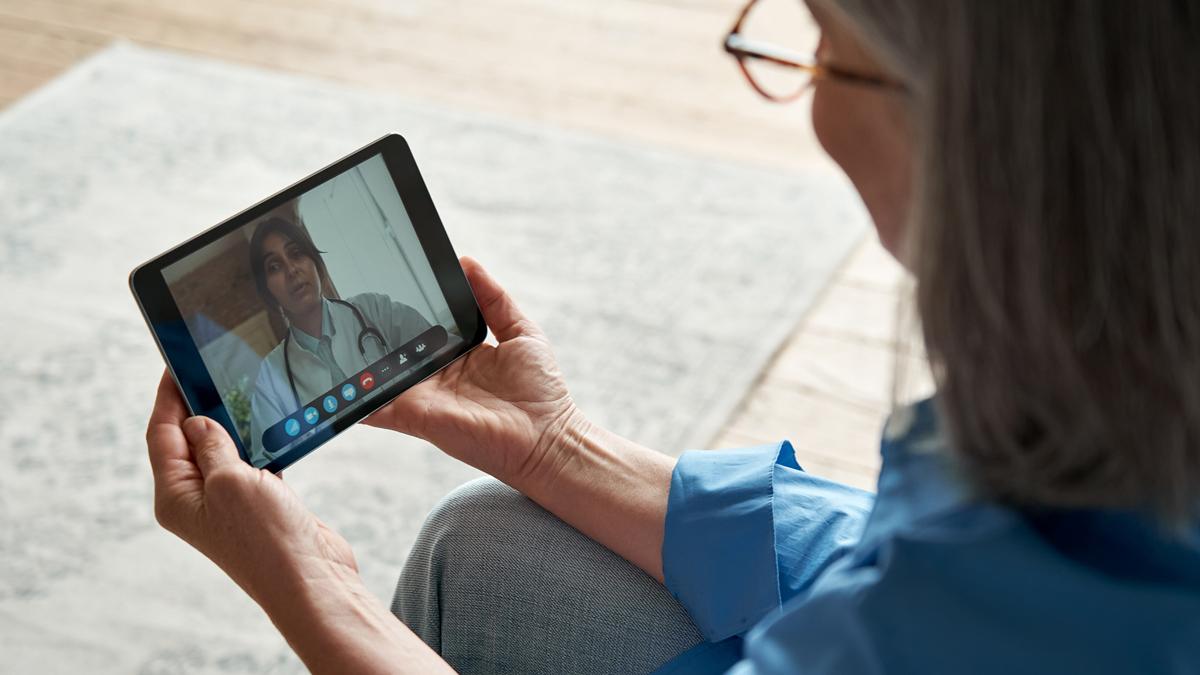
The service will offer video consultations, online test results, and digital prescribing, supported by an expanded network of community healthcare sites that can offer tests, scans, and procedures.
Patients will have the option of using NHS Online when a GP makes a referral for specialist care, and will still be able to choose face-to-face appointments if they prefer.
In a statement, NHS England said: "As more patients choose NHS Online, waiting lists are expected to fall. This will also free up in-person appointments for those who need and want them, helping people be seen more quickly."
The initiative has been broadly welcomed, although, Dr Becks Fisher of the Nuffield Trust healthcare think tank said that "tricky questions" remain about how the online hospital will be implemented.
"If the goal is boosting NHS capacity, rather than simply shifting resources around, the government and NHS will need to work out how doctors and nurses will be able to take this on without negatively impacting existing face-to-face work," she added.
"NHS IT infrastructure could also pose a problem, as it will need to enable relevant information – like scan results – to be seen across different NHS organisations, something that is infamously difficult at the moment."