Merck looking to rare disease deals to build health momentum
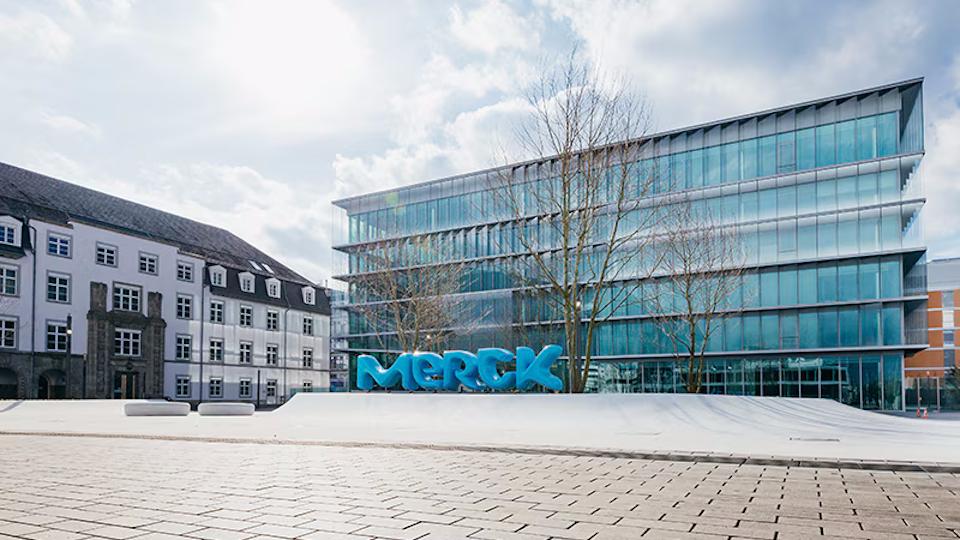
Germany's Merck KGaA is looking at making further acquisitions to boost its business, according to chief executive Belén Garijo.
The CEO – who is due to step down next April after five years in the job – told investors and analysts at Merck's Capital Markets Day today that the company is "sharply focused on growth" and wants to continue building the company through "a string of targeted acquisitions of companies delivering breakthrough solutions."
While the M&A emphasis is currently on life sciences, a business unit which sells products used in R&D and manufacturing facilities, the healthcare business could also see further deals, particularly in the rare disease area, where it is looking for candidates "in all stages of development.
That will improve the mid-term outlook for healthcare – delivering growth in the low- to mid-single-digit percentage range – as it manages some other areas of the business that are getting a bit mature, such as cancer and multiple sclerosis products, which are facing "life cycle challenges" as they start to be superseded by newer therapies in the market.
Last year, the company was predicting more modest growth for healthcare, which has been lagging behind the performance of its life sciences business, transformed of late by a series of acquisitions, such as Mirus Bio, HUB Organoids, and the chromatography business of JSR Life Sciences. Life sciences is now expected to see mid-term growth in the mid-to-high single-digit percentage range.
Given the emphasis on external innovation, it is perhaps telling that the company's healthcare presentation at the event is focusing a lot on a pipeline delivered by Merck's recent $3.9 billion takeover of SpringWorks, which included two FDA-approved products in the rare disease category – Ogsiveo (nirogacestat) for desmoid tumours and Gomekli/Ezmekly (mirdametinib) to treat plexiform neurofibromas in neurofibromatosis type 1 (NF1) patients.
Those two products have the potential to make sales at or near the $1 billion a year threshold, according to Merck. Meanwhile, late-stage candidate pimicotinib for tenosynovial giant cell tumour (TGCT), a rare disease affecting the joints and tendons that was licensed from China's Abbisko in 2023, could approach $500 million a year in sales if it reaches the market on schedule next year.
Later today, Merck's healthcare CEO, Danny Bar-Zohar, will highlight other promising candidates in its healthcare pipeline, including cladribine capsules for generalised myasthenia gravis (phase 3), TLR7/8 antagonist enpatoran for systemic and cutaneous forms of lupus erythematosus (phase 2), and anti-CEACAM5 antibody-drug conjugate precemtabart tocentecan (Precem-TcT) for colorectal cancer (phase 1b).