Judge blocks HHS' 340B rebate pilot at 11th hour

A federal judge in the US has granted a temporary restraining order that will stop HHS' much-contested 340B rebate model from launching as planned on 1st January.
Judge Lance Walker sided with the American Hospital Association (AHA) and other plaintiffs in the lawsuit, brought in a Maine district court, which claims that the new model was unlawful and would add "hundreds of millions" of dollars to the annual costs of hospitals serving some of the most vulnerable people in the US.
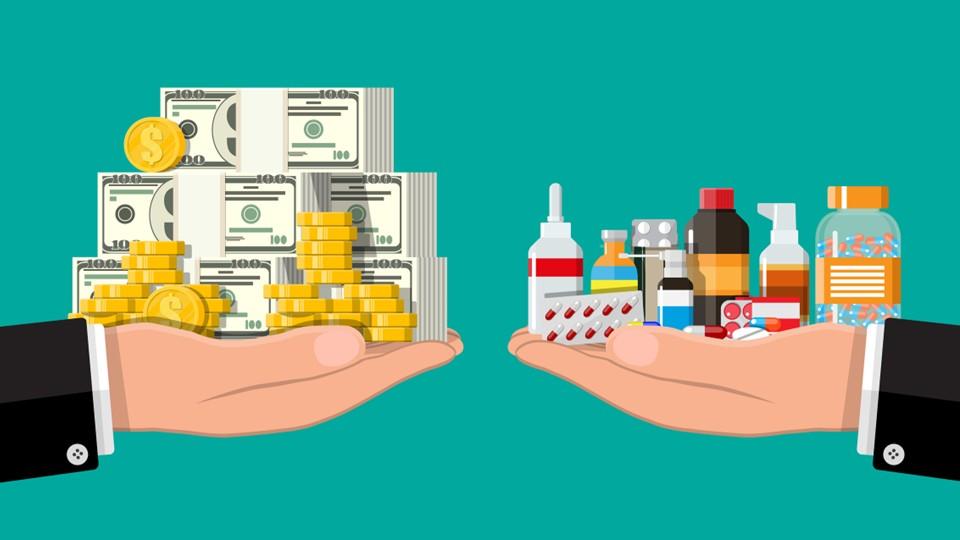
The 340B drug discount programme requires pharma companies to discount outpatient drug sales to 'safety net' healthcare systems that serve uninsured and low-income patients. At the moment, these discounts are applied upfront, but pharma companies have been pushing for rebates to be paid to hospitals only after medicines have been purchased at normal commercial prices.
The HHS' Health Resources and Services Administration (HRSA) was poised to start testing the new rebate model in the pilot, and several pharma companies joined the action in support of the federal agency earlier in December, seeking to ensure its implementation proceeded as planned. Trade organisation PhRMA also took part to support the defence.
The companies have claimed – in and outside of lawsuits – that the 340B programme has long since strayed away from its primary purpose of ensuring access to medicines for vulnerable people. They contend that recipients of the discounted medicines charge both uninsured patients and insurance companies higher prices, pocketing the difference.
In the latest ruling (PDF), Judge Walker denied the pharma companies' motion to intervene in support of the HRSA's action to launch a pilot, on the grounds that they had failed to "demonstrate that the government will not adequately represent their interests in defending against the lawsuit."
According to recent data from the HRSA, drug purchases made under the 340B programme totalled $81.4 billion in 2024, with 340B hospitals making up nearly 87% ($71 billion) of that total.
It has grown over time, but the AHA argues that growth has mirrored the underlying growth in the medicines industry and also reflects bipartisan efforts over the years to broaden its scope.
"Hospitals have an obligation to care for anyone who presents at their doors, regardless of ability to pay, while also striving to meet community benefit requirements in a variety of ways," said the AHA in a recent blog post.
It further contends that the 340B programme "is the primary way drug companies financially contribute to the social safety net, giving back some of the immense financial benefits they have received from federal programmes like NIH-funded research."
In reality, drug companies contribute "just a small fraction of their approximately $1.7 trillion in revenue in 2024," according to the AHA.
On the other hand, a recent Congressional Budget Office (CBO) report (PDF) concluded that the 340B programme "encourages behaviours – including the prescription of more and higher-priced drugs, the expansion of services, and the integration of hospitals and off-site clinics – that tend to increase federal spending."
The ruling introduces a pause in the pilot's implementation, but expect plenty more legal wrangling over the 340B rebate implementation in 2026.