J&J claims FDA's latest national priority voucher
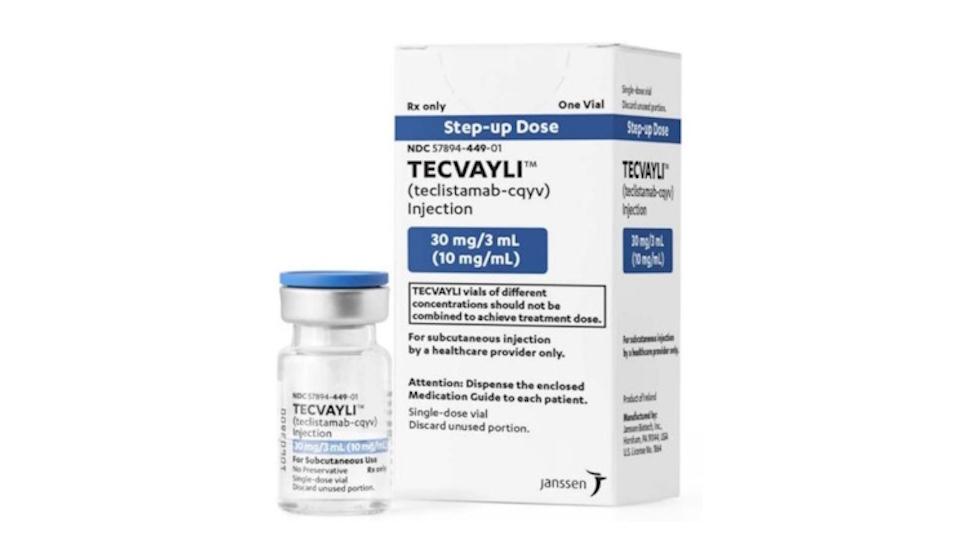
The FDA has delivered a Commissioner's National Priority Voucher (CNPV) to Johnson & Johnson for a combination regimen based on Tecvayli for multiple myeloma.
The latest voucher in the controversial pilot programme introduced by Commissioner Marty Makary – which can deliver an approval in just a few weeks – has been prompted by data showing the benefits of BCMAxCD3 bispecific Tecvayli (teclistamab) and J&J/Genmab's CD38-targeting Darzalex Faspro (daratumumab) in relapsed/refractory multiple myeloma, as seen in the MajesTEC-3 study.
In the trial, the combination of the two drugs showed significant improvements over the standard of care in both progression-free survival (PFS) and overall survival (OS).
This included an 83% reduction in the risk of disease progression or death at three years among patients previously treated with one to three prior lines of therapy. More than 90% of patients who were progression-free at six months maintained that status over the follow-up period, a result which the investigators said could allow patients to "reset" their expectations of survival.
The first approval in the CNPV programme, which is designed to bring important new therapies to patients more quickly and plug gaps in the domestic supply of essential medicines, was delivered to a generic antibiotic earlier this month.
An initial batch of nine medicines was announced in October, and six more were added last month, including GLP-1 agonist-based weight loss medicines from Eli Lilly and Novo Nordisk. That makes the Tecvayli/Darzalex Faspro combination, which already has a breakthrough designation from the FDA, the 16th recipient of a voucher under the scheme.
"We're on a mission to deliver more cures and meaningful treatments to the American people. This means proactively identifying potentially transformative therapies," said Makary in a statement.
"Within hours of the trial results being published in the American Society of Haematology conference programme, FDA leaders read the study, consulted with internal experts, and the following day contacted the company to discuss a national priority voucher," he added.
"When a treatment demonstrates outstanding trial results, we have a duty to patients to move swiftly."
The CNPV system has already proved controversial since it was announced, with concerns raised that the selection process is opaque, the scheme lacks statutory backing, that political appointees rather than career regulators are carrying out the reviews, and that recipients may be selected for political reasons – for example, as a quid pro quo for pricing deals or investments in domestic manufacturing.