FDA clears first at-home device for depression
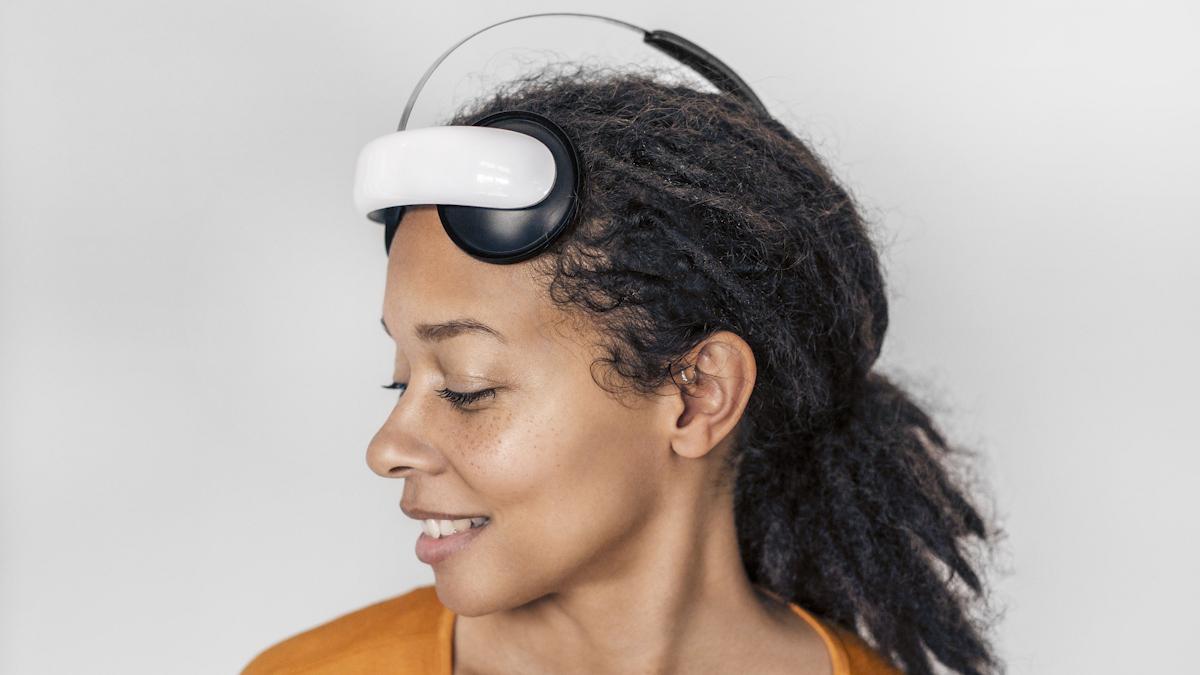
Flow Neuroscience has secured FDA approval for its at-home brain stimulation device, the FL-100 wearable device, as a non-invasive treatment for major depressive disorder (MDD).
FL-100 is based on a technology called transcranial direct current stimulation (tCDS), which involves applying a weak direct current to the prefrontal cortex of the brain – the area that governs mood regulation and stress responses – using scalp electrodes. The aim is to increase the excitability of neurons in this area, which is often underactive in people with depression.
The device – which can be bought over-the-counter in the UK for £399 ($535) or rented for £79 per month – is already being trialled at various NHS trusts, alongside regular patient check-ins with clinicians, weekly clinics and, in some cases, medication.
It is also available in other world markets, including Europe and Australia and, according to Flow, has been used to help more than 55,000 people living with depression.
The FDA has approved FL-100 as both a stand-alone and an adjunctive treatment for adults with moderate to severe MDD, who are not considered treatment refractory to medication, and Flow has said it intends to launch it in the US in the second quarter of 2026.
"We're on a mission to make effective, affordable non-drug treatment available to the millions of Americans suffering from depression," commented Erin Lee, Flow's chief executive. "Flow's FDA approval is a watershed moment for the treatment of depression: the first step in moving from pharmaceutical treatments to tech-based therapies with minimal side effects."
FL-100's efficacy was put to the test in a randomised controlled trial, published in the journal Nature Medicine last year, which looked at 10-week usage of FL-100 in 174 adults with MDD – five 30-minute sessions per week for three weeks, followed by three sessions a week for seven weeks – or a sham procedure. That was followed by a 10-week open-label phase.
A significant improvement was observed with regard to a change in depressive symptomatology as measured by the HDRS score from baseline to week 10, with a 9.41-point reduction with FL-100 compared to a 7.14-point fall in the sham arm.
Moreover, FL-100 achieved two to three times higher remission and response rates, with 58% of patients in remission by the end of the randomised stage of the study.
"Among our real-world users, 77% see improvements in as little as three weeks," said Flow's chief medical officer, Dr Kultar Garch.
"Such treatment, previously confined to clinics, can now be delivered at home, pointing to a scalable way of expanding access to effective depression care," he added.