Change of heart as NICE backs prostate cancer drug Talzenna
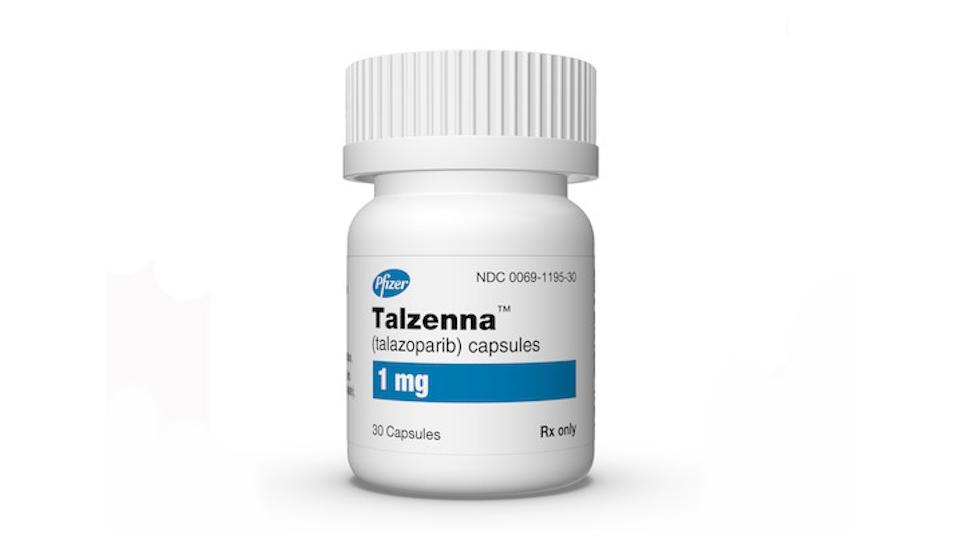
Thousands of men with advanced prostate cancer will be offered a new treatment, Pfizer's Talzenna, from today after NICE made an about-turn on the drug.
The reimbursement authority said last year that it could not support the use of the life-extending oral therapy alongside Pfizer's hormonal therapy Xtandi (enzalutamide) for adults whose prostate cancer had spread and who were unable to be treated with chemotherapy or abiraterone plus prednisolone, which are standard treatments.
Now, after a public consultation, NICE has changed its position and backed the use of Talzenna (talazoparib), a once-daily PARP inhibitor that can be taken at home and is already used by the NHS to treat advanced breast cancer.
It is the second new prostate cancer therapy to be recommended by NICE in the space of a week, coming after the health technology assessment (HTA) agency published new guidance allowing hormonal therapy abiraterone – both Johnson & Johnson's Zytiga brand and generics – to be deployed by the NHS to treat men with high-risk localised or locally advanced prostate cancer that has not yet spread elsewhere in the body.
In a statement, NICE said the new guidance for Talzenna will make it an option for around 2,400 people in England and reduce pressure on the NHS, as current therapies can require clinic visits. The decision also brings England into line with Scotland, which cleared the use of Talzenna in advanced prostate cancer in March 2025.
In clinical trials, patients treated with Talzenna plus Xtandi lived significantly longer than those taking Xtandi on its own – a median overall survival (OS) of 45.8 months versus 37 months – with progression-free survival (PFS) coming in at 33.1 months and 19.5 months, respectively.
In its initial verdict delivered last August, NICE said there were unanswered questions about Talzenna's cost-effectiveness, high cost, and lack of direct comparisons to alternative treatment options. It also turned down the drug for breast cancer, before changing its position in 2024 after a price cut.
"When hormone therapy stops working for a man with advanced prostate cancer, who is unable to have chemotherapy, it can be hugely distressing. Their treatment options become more limited, and they face a lot of uncertainty. That's why the fact this treatment is now approved is so exciting," said Amy Rylance, assistant director of health improvement at patient organisation Prostate Cancer UK.
"For these men, having talazoparib approved is a real lifeline, and research shows that men who receive talazoparib alongside enzalutamide get almost nine months more of life with their loved ones than men just on enzalutamide," she added.
The extended treatment options are good news for prostate cancer patients in the UK, although, there was disappointment late last year when a report concluded that PSA screening for the disease should not be made available to the vast majority of men across the UK. The government is due to make a decision on its programme in March.
There are around 46,000 new cases of prostate cancer each year in England and Wales, with 13% of them showing signs of spread at diagnosis.