CDC signs off on advice ending universal hepatitis B jabs
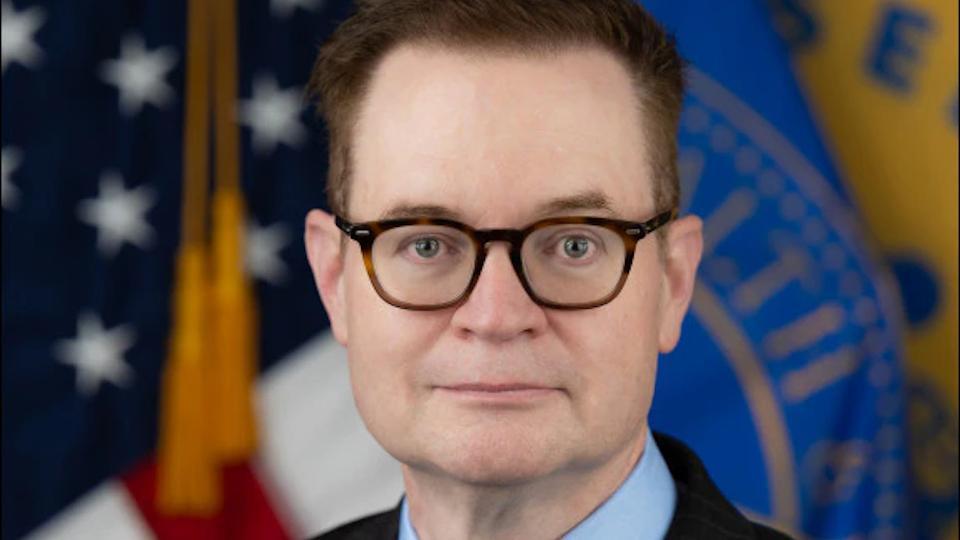
Acting CDC director and former tech investor Jim O'Neill has rubber-stamped the major change to US immunisation policy.
Overturning decades of advice, the CDC has said it no longer recommends that all US newborns receive a hepatitis B vaccine, a change that experts say will harm children.
The new recommendations will replace the universal birth dose of the shot with "individual decision-making" that will require parents and healthcare providers to "consider vaccine benefits, vaccine risks, and infection risks […] to decide when or if their child" will start the vaccination series.
That applies to infants born to women who test negative for the hepatitis B virus (HBV) using the HBsAg blood test. For those infants not receiving the birth dose, it is suggested that the initial dose be administered no earlier than two months of age.
When the mother has a positive test result, the recommendation remains to get a shot, said the CDC, which had previously been recommending that all infants receive three doses of the HBV vaccine, starting within 24 hours of birth, since the early 1990s.
Since then, millions of children have been vaccinated against hepatitis B, and cases of HBV infection – which can lead to serious complications like liver cirrhosis and cancer – have fallen by 99%.
The ACIP has been accused of cherry-picking data on side effects – attempting to perpetuate a debunked link between the shots and multiple sclerosis, for example – as well as erroneously claiming that safety evidence of the vaccines is limited, and implying that they were not properly tested in randomised or placebo-controlled trials.
It also said the US was an outlier with its HBV immunisation recommendations, whereas 115 of 194 WHO member states recommended a universal hepatitis B birth dose last year.
There was little chance that the controversial change recommended by the CDC's Advisory Committee on Immunization Practices (ACIP) earlier this month would not happen, given the increasingly vaccine-averse stance of senior leadership at HHS agencies under Secretary Robert F Kennedy Jr.
As expected, acting CDC director and former tech investor Jim O'Neill – who served as Kennedy's deputy before taking over from former director Dr Susan Monarez, an infectious disease expert, in August – has rubber-stamped the new advice.
Saying that the decision was taken on "rigorous review of the available evidence," O'Neill said the CDC is "restoring the balance of informed consent to parents whose newborns face little risk of contracting hepatitis B."
Defying the CDC pronouncement, around 18 states have released statements saying they will stick to the previous recommendations on the birth dose of HBV vaccine, and two – Maryland and New Jersey – have issued executive orders to authorise universal access. Several states have also started reviews of statutes that require them to rely solely on ACIP recommendations in policy-making.
After the ACIP meeting vote on changing the policy, dozens of expert medical organisations issued a letter condemning the move, saying that "the apparent goal of this meeting was to sow doubt in vaccines, rather than advance sound vaccine policy, and we will all pay a price for that."
The group – which included the American Academy of Pediatrics, Academic Pediatric Association, American College of Obstetricians and Gynecologists, and the American Medical Association – said the change will "lead to more childhood hepatitis B infections, will lead to more chronic infections that will follow patients into adulthood, and will complicate vaccine access for children," adding that "no new data was presented during the ACIP meeting to justify this change."