CDC panel votes to scrap hepatitis B birth dose advice
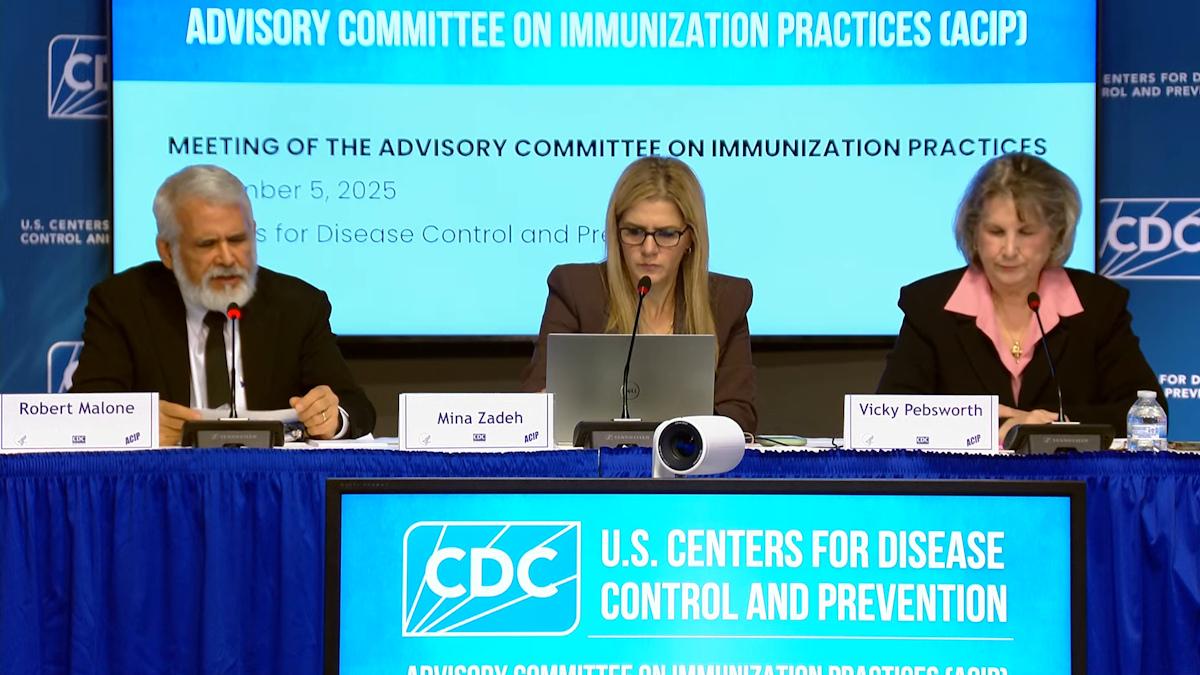
The CDC's Advisory Committee on Immunization Practices (ACIP) has voted by 8 to 3 to remove the recommendation that all infants aged under two months receive a hepatitis B virus (HBV) vaccine, overturning decades of US policy.
The panel – handpicked by Health and Human Services Secretary and well-known vaccine sceptic Robert F Kennedy Jr after the previous roster was fired – recommended abandoning universal HBV vaccination, ending a programme that is credited with achieving a huge reduction in cases of hepatitis B in the US.
If accepted by acting CDC Commissioner Jim O'Neill – a close ally of Kennedy – then children will no longer automatically receive a first dose within 24 hours of birth. Instead, the dose will be delayed until two months for children born to mothers who test negative for the virus.
Moreover, the language of the ACIP vote recommended "individual-based decision-making, in consultation with a health care provider, for parents deciding when or if to give the HBV vaccine" [emphasis added]. It also recommends the first shot "no earlier than two months" for those not receiving it at birth.
Critics of the recommendation – who include the American Academy of Pediatrics, American College of Physicians, American Pharmacists Association, and Republican Senator Bill Cassidy, whose casting vote allowed Kennedy to claim the HHS job – said the change to the recommendations is a mistake and emphasised that the current programme recommends, but does not mandate a vaccine.
"This irresponsible and purposely misleading guidance will lead to more hepatitis B infections in infants and children," said AAP president Dr Susan Kressly.
"I want to reassure parents and clinicians that there is no new or concerning information about the hepatitis B vaccine that is prompting this change, nor has children's risk of contracting hepatitis B changed. Instead, this is the result of a deliberate strategy to sow fear and distrust among families."
A CDC study published last year calculated that more than six million cases of hepatitis B had been prevented through routine HBV vaccination since 1994, when the agency's Vaccines for Children Programme – which provides free shots to families who wouldn't otherwise be able to afford them – was launched. It has also been estimated that up to two-thirds of paediatric hepatitis B cases occur when a mother has initially tested negative for the virus.
In a second poll, the panel voted by six to four, with one abstention, that additional blood tests be considered for children to assess their immunity to HBV before deciding if additional vaccine doses are warranted.
Sen Cassidy has called on O'Neill not to sign the new recommendations and "retain the current, evidence-based approach."
In a social media post, he wrote: "Before the birth dose was recommended, 20,000 newborns a year were infected with hepatitis B. Now, it's fewer than 20. Ending the recommendation for newborns makes it more likely the number of cases will begin to increase again."