Appeal finds NICE must reconsider Alzheimer's drugs
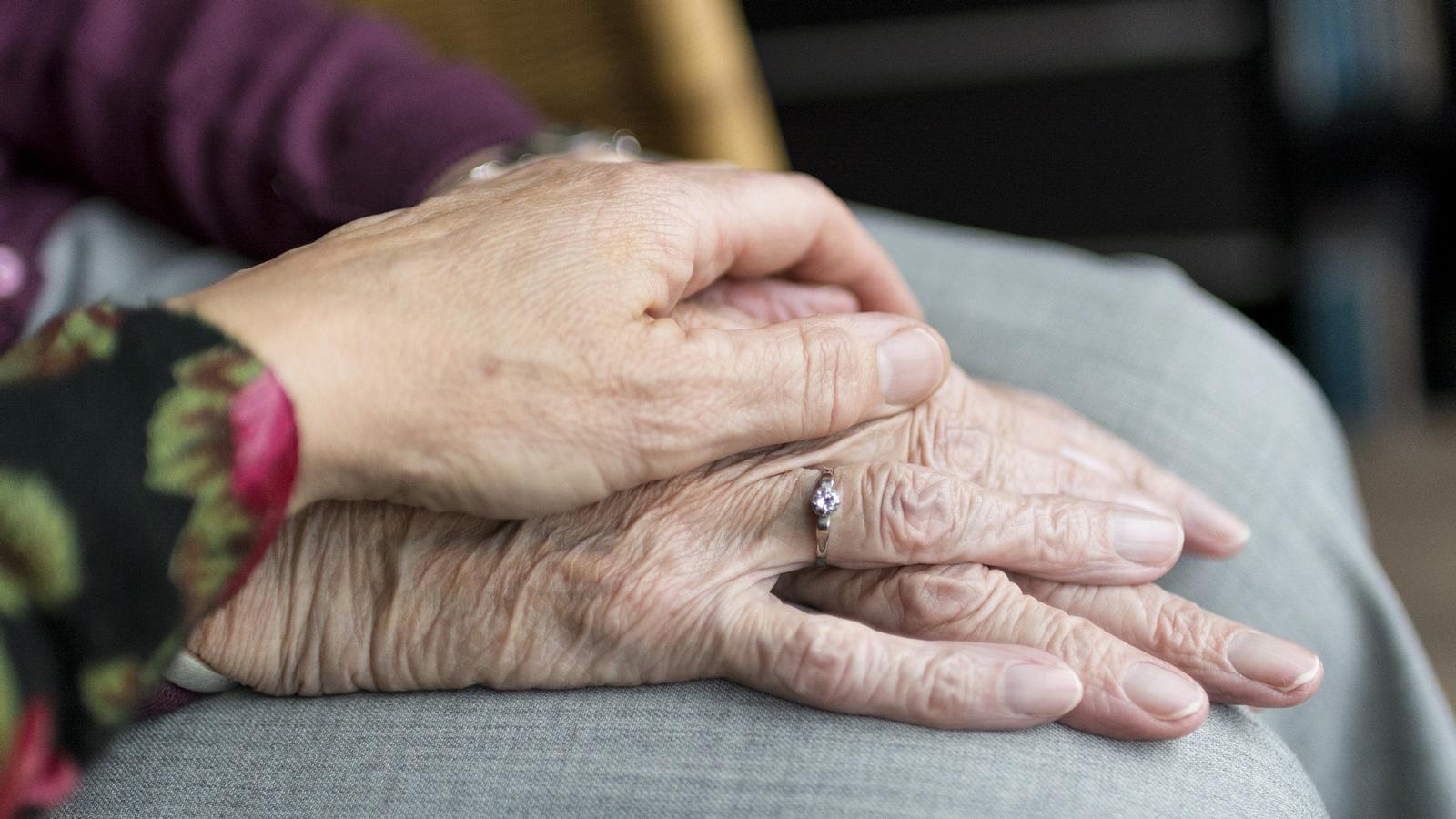
Eli Lilly and Eisai's battle to secure NHS reimbursement for their Alzheimer's disease therapies is dragging on, with guidance blocking use of the drug set for another review.
After a successful appeal, reimbursement authority NICE has said the companies' files will now be sent back to the appraisal committee to look again at whether their medicines should be made available on the NHS.
In June 2025, NICE rejected NHS use of Lilly's anti-amyloid antibody Kisunla (donanemab) and Eisai's similarly-acting Leqembi (lecanemab) – after an unprecedented third appraisal – after concluding once again that the benefits from the two treatments were too small in people with mild cognitive impairment or mild dementia caused by Alzheimer's to justify the additional cost to the health service.
A lack of evidence on the long-term effects of the drugs, as well as patients needing intensive monitoring for side effects, were the main reasons for the decision, said NICE at the time.
NICE has now said that its committee would take another look at issues such as the consideration of unpaid carer costs with the appraisal, its conclusions on the evidence relating to caregiver quality of life, considerations regarding the estimates for infusion cost seen in the NHS, and long-term data for the drug, according to Lilly.
"This is a big moment in the battle against Alzheimer's disease," said Chris Stokes, general manager of Lilly's Northern European Hub headquarters in Basingstoke.
"NICE was right to look again at the evidence in front of them," he added. "For people living with Alzheimer's disease, and for the families and carers who support them, this matters, perhaps now more than ever."
After the June 2025 decision on Kisunla and Leqembi, the Alzheimer's Society said it was a "setback", but added that, even if they had been recommended, "too many patients wouldn't be able to access them because the health system isn't ready to deliver them."
Alzheimer's Research UK said this morning that it welcomed the decision to look again at the two drugs, saying it is "an opportunity for NICE to consider the real cost of Alzheimer's on people and their families."
David Thomas, the charity's head of policy and public affairs, said: "While these treatments offer modest benefits and can cause serious side effects, they provide the foundation for a future where dementia becomes a treatable condition. Now, we need NICE to look again at how these medicines could benefit both people with early Alzheimer's and their carers."
The timeframe for the next NICE meetings to discuss the drugs is still to be set, and it is not certain whether follow-up hearings will change NICE's position on access.
Meanwhile, the appeals panel said that there is no possibility of further action through NICE's channels, so, any additional action would have to go through the High Court and must be filed within three months of NICE publishing the final guidance.
Stokes said Lilly is now looking to NICE to "use the flexibilities outlined in the manual, as it reassesses the evidence that Lilly, clinical experts, and patient advocates have put forward, so that we can work towards our shared goal of ensuring all eligible patients with Alzheimer's disease can access approved treatment options on the NHS as quickly as possible."