Angelini taps Sovargen for epilepsy drug in $550m deal
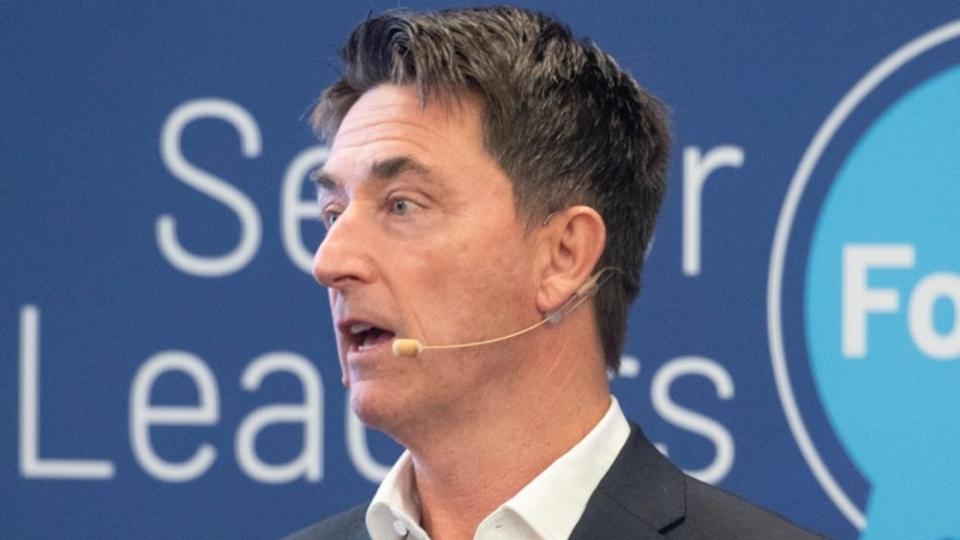
Jacopo Andreose, Angelini Pharma's chief executive.
Angelini Pharma has licensed a preclinical-stage mTOR inhibitor from South Korean biotech Sovargen with potential for genetic forms of epilepsy and other brain disorders.
The $550 million-plus deal gives brain health specialist Angelini development and commercial rights to Sovargen's SVG105 outside the Republic of Korea, China, Hong Kong, Macau, and Taiwan, and is a major licensing deal for the company, which had an annual turnover of €1.2 billion ($1.4 billion) last year.
mTOR inhibition is a well-established approach to treating epilepsies associated with variants in mTOR pathway genes – known as mTORopathies – a group that includes tuberous sclerosis complex (TSC), DEPDC5-related epilepsy, and focal cortical dysplasia type 2 (FCD2).
A couple of drugs in the class – Novartis' Afinitor (everolimus) and sirolimus – have already been approved to treat TSC on the back of clinical trials showing they can reduce the number of seizures.
According to Angelini, SVG105 is a potentially first-in-class antisense oligonucleotide (ASO) targeting the mTOR pathway that could have potential in "a number of brain health disorders, including drug-resistant childhood epilepsy."
The deal is the latest in a flurry of pipeline-bolstering deals for Angelini, coming a few months after it licensed radiprodil for rare genetic epilepsies and neurodevelopmental disorders from GRIN Therapeutics in a $520 million agreement, as well as OmniAb's RO'599, a small molecule drug targeting a form of potassium channel (Kv7.2) involved in neuron excitability.
"This partnership with Sovargen further solidifies Angelini Pharma's leading role in the field of brain health, adding additional breadth to our robust portfolio and pipeline," said Jacopo Andreose, Angelini Pharma's chief executive.
"Neurological disorders like epilepsy are major contributors to global disease challenges," he added. "For example, many people living with epilepsy are still unable to reach seizure control despite combination treatment of several anti-seizure medications. Our work on SVG105 will be motivated by the ambition to bring much-needed solutions to people living with brain health conditions across the world."
Under the terms of the deal, Sovargen - which spans out of the Korea Advanced Institute of Science and Technology (KAIST) and focuses on disease-modifying RNA therapeutics for incurable disorders - is in line for an upfront payment, future milestone-dependent payments, and royalties.
The Korean company has previously indicated that a likely first indication for SVG105 would be FCD2, one of the most common forms of genetic epilepsy in children and has no approved drug therapies. There are around 4 million people worldwide with FCD epilepsy.