A playbook for effective sponsor/CRO partnership

Cell and gene therapies (CGTs) are becoming more mainstream, but still pose considerable challenges for clinical trials, including ethical and safety considerations, regulatory hurdles, precarious logistics, and potentially staggering costs. The unique nature of these investigational therapies also presents unprecedented nuances to be considered in executing a trial.
In 2022, Cook MyoSite, a leader in the field of muscle-derived regenerative cell therapies, contracted Veristat, a contract research organisation (CRO), to assist with execution of a Phase III clinical study evaluating the safety and efficacy of the investigational product, iltamiocel, in female participants with chronic faecal incontinence. The investigational product, iltamiocel, is hypothesised to restore function to damaged or dysfunctional muscle using participant’s own muscle cell. Other indications being investigated with iltamiocel are female stress urinary incontinence and tongue dysphagia after head and neck cancer treatment. Collectively, over 750 patients have been treated with iltamiocel in Cook MyoSite’s clinical programmes, with minimal safety events reported.
To find out more, pharmaphorum spoke with Cindy Henderson, chief strategy officer at Veristat, Parul Nisha, Cook MyoSite senior director of clinical and medical affairs, and Ron Jankowski, Cook MyoSite VP of regulatory and scientific affairs.
A team effort: Navigating cell therapy study bumps
Cook MyoSite’s DigniFI study protocol is a complex and adaptive study with an interim data analysis design, and added challenges of an autologous, personalised cell therapy treatment. Veristat brought in senior leadership and experienced biostatisticians to help refine the protocol for DigniFI, a two-stage, Phase III randomised trial comparing the safety and efficacy of iltamiocel with placebo in the treatment of female participants with chronic faecal incontinence (FI) and a history of obstetric anal sphincter injury (OASI). Interim data analysis allows for evaluation of effectiveness and safety of a treatment at a pre-defined participant enrolment point before the study is completed, potentially leading to early termination if results are significantly positive or negative. This approach is designed to balance time and resources along with patient exposure to investigational therapy, while providing valuable insights that can inform ongoing research.
With the protocol finalised, the study began with ambitious enrolment goals, which required teams to move fast. Veristat responded by activating the first site in less than two months from site qualification.
“Veristat was a great partner in ensuring the rapid turnaround from protocol to site activation,” said Parul Nisha, Cook MyoSite senior director of clinical and medical affairs.
Veristat has since helped onboard 26 sites and enrol more than 100 participants to meet critical study milestones even as the teams faced various, unique challenges over the course of the trial. The key was how everyone navigated them.
In the DigniFI study, physicians from each site were required to complete in-person training at a third-party location before site activation to learn the precise methods of tissue procurement and therapy administration. Veristat was often working in parallel to finalise contracts and budgets, which can take nine months or more while also scheduling investigators’ on-site training. Scheduling alone proved challenging, as most investigators were also surgeons with busy schedules making it difficult to achieve the condensed timelines for site activation and enrolment. Further, site contracts reflected the tremendous complexities of a personalised CGT trial. Veristat’s legal team worked hand-in-hand with Cook MyoSite’s contract team at an accelerated pace to finalise all of the contracts.
“There were times when we signed a contract on a Friday and that site’s physician came out to train as soon as the following Monday,” remarked Nisha.
Manufacturing and delivering a personalised autologous therapeutic product demand extraordinary precision and attention to detail. In the DigniFI study, each participant’s tissue required individualised handling and processing, with every shipment needing to be maintained at a consistent cold temperature throughout its journey, as well as ensuring the chain of identity. This meant that every clinical site had to be fully equipped not only to properly package and ship the tissue, but also to receive the final product shipment promptly, unpack it correctly, and ensure it was stored at the required temperature.
The personalised nature of the product added complexity, as each participant’s cells can grow at different rates, which made procedure scheduling – both tissue procurement and treatment – a significant challenge. These rigorous requirements underscore the unique difficulty of personalised manufacturing and highlight the critical importance of meticulous logistics and site training to ensure successful delivery and patient care. To ensure tissue procurement and final product injections were handled seamlessly, Veristat provided additional site staff training plus remote oversight while Cook MyoSite sent a trained product specialist to every procedure.
Due to the complexity of therapy development, CGT clinical studies can also be significantly more expensive than traditional pharmaceutical or medical device studies. Therefore, it was essential that throughout the study, both Cook MyoSite and Veristat remain vigilant to avoid unnecessary expenses and promote cost efficiency, when possible.
A substantial number of DigniFI study participants have completed the blinded treatment and entered the designated 12-month follow-up period. During this time, the participants are required to complete several in-person visits at the site and phone call follow-ups, as well as a 14-day paper diary to capture symptoms and improvements at baseline and month 12. Despite the complexities, the DigniFI study has had minimal participants drop out with over 95% adherence, thanks to the close collaboration of both sponsor and CRO – as well as sites.
A mutual mission: Focused on women’s health
One in 10 women who have given birth suffer from faecal incontinence and there is an unmet need for the large demographic suffering from this disease.1 The condition can lead to embarrassment and social isolation, dramatically impacting quality-of-life. Despite the prevalence of FI, there are no drug treatment options available. Possibly worst of all, due to mounting caregiver burden, FI is the second most frequent reason for referral to nursing home placement.2
“Cook MyoSite has been researching and advancing personalised cell therapy treatment for women who have historically been underserved,” said Ron Jankowski, Cook MyoSite VP of regulatory and scientific affairs. “We look forward to seeing the outcome of the study and the potential impact for women suffering from chronic FI in the future.”
Cook MyoSite and Veristat remain united in their commitment to addressing this significant unmet need in women’s health. Through their collaboration on the DigniFI study, Cook MyoSite and Veristat are working to empower study participants with greater independence, dignity, and confidence in their daily lives. Their shared dedication reflects a broader mission to bring meaningful change to women’s health, offering hope and tangible improvements for those who have long lacked effective treatment options.
Lessons learned: Rinse and repeat, but better
No playbook is complete without lessons learned, as these are essential to continued improvement. In the DigniFI study, both teams agreed on a few key learnings:
- Train the trainer. In hyper-complex trials like DigniFI, sponsors should take the extra step to train their CRO, particularly the complicated logistics of collecting and handling tissue and the timelines involved in procurement and therapeutic manufacturing.
- Streamline communications. Keeping in mind that sites are often overworked and understaffed, Veristat ensured streamlining communication early in the study. Veristat experts from regulatory, clinical, and management were reaching out independently, so Veristat combined these communications into once-a-week email digests to alleviate site stress.
- Engage senior leaders. Veristat’s senior leaders held monthly meetings with Cook MyoSite to provide fresh ideas and creative solutions to day-to-day challenges. Monthly became quarterly meetings as the study flow settled, but the regular meeting ritual evoked confidence and familiarity so that both sites and sponsor knew that Veristat was available to them as needed.
From the many touchpoints to the mutual passion to solve an unmet need for women through collective flexibility, agility, and adaptability, this was, arguably, a masterclass in sponsor/CRO collaboration.
*DISCLAIMER: iltamiocel is investigational and is not yet considered safe or effective. iltamocel is not approved for commercial use.
Resources
- Whitehead WE, Borrud L, Goode PS, Meikle S, Mueller ER, Tuteja A, et al. Fecal incontinence in US adults: epidemiology and risk factors. Gastroenterology. 2009;137(2):512-7, 7 e1-2. doi: 10.1053/j.gastro.2009.04.054. PubMed PMID: 19410574; PubMed Central PMCID: PMCPMC2748224.
- Sharma A, Rao SSC. Epidemiologic Trends and Diagnostic Evaluation of Fecal Incontinence. Gastroenterol Hepatol (N Y). 2020 Jun;16(6):302-309. PMID: 34035733; PMCID: PMC8132710.
About the interviewees
 Cindy Henderson is the chief strategy officer at Veristat, a full-service clinical research organisation specialising in complex and unique trials. With over 30 years of industry experience, including more than 15 at Veristat, she leads company strategy, drives customer-centric growth initiatives, and oversees AI/ML integration to enhance operational efficiency. Her leadership spans commercial strategy, technology infrastructure, and global client engagement. Prior to Veristat, she held senior roles at Averion and Parexel, where she advanced SOP development, data management technologies, and international trial execution.
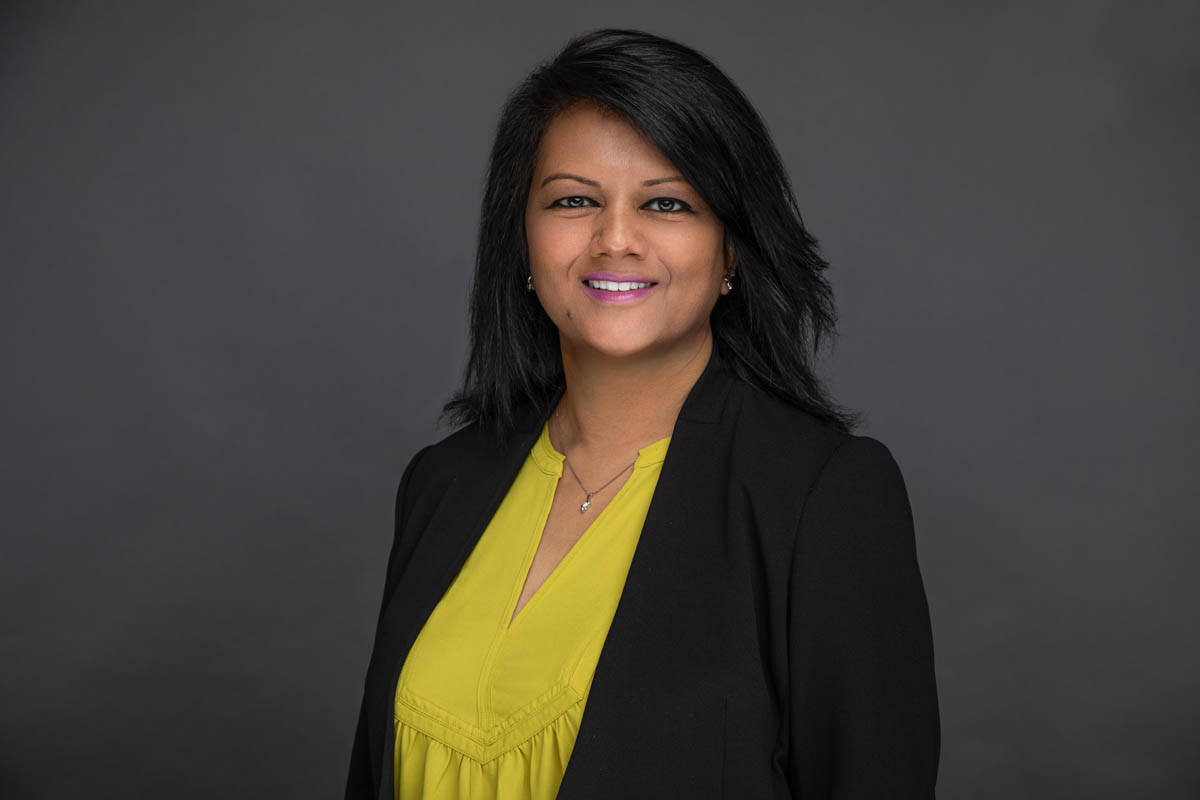 Parul Nisha, PhD, is the senior director, clinical and medical affairs, at Cook MyoSite Inc. Nisha has over 20 years of research experience, including over 10 years in industry within clinical and regulatory functions with both sponsor and CROs, focusing on therapeutics and medical device development and life cycle management.
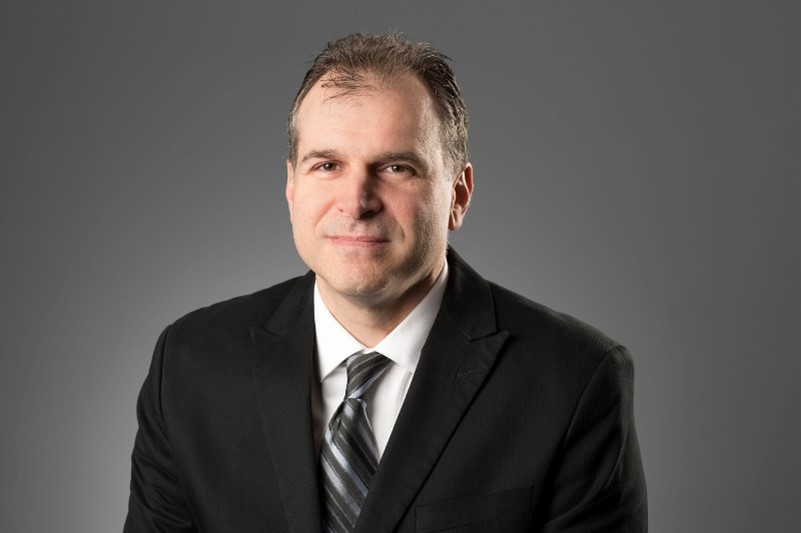 Ron Jankowski, PhD, is the vice president, regulatory and scientific affairs, at Cook MyoSite Inc. Jankowski has over 20 years of experience in the development of therapeutics and medical devices, with a primary focus in cell-based therapies. His diverse experience ranges from manufacturing design and controls to clinical development and regulatory sciences.