Mark Dawson named head of Roche's pRED unit

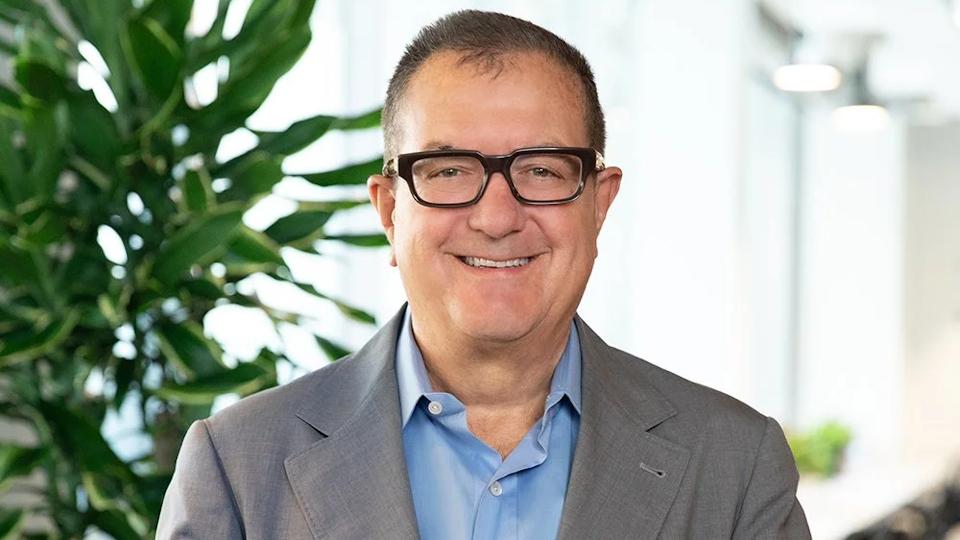
Prof Mark Dawson, against a backdrop of Roche's Basel campus.
Roche has appointed leading Australian cancer researcher Prof Mark Dawson to lead its pharma Research and Early Development (pRED) division.
Dawson joins the Swiss pharma group from the Peter MacCallum Cancer Centre in Victoria, Australia, where he was associate director of research and led the development of several first-in-class epigenetic therapies – drugs that affect transcription, DNA repair and DNA replication – which have reached the clinical testing stage.
He will take over the running of pRED from 1st May, working from the company's Basel campus, and has been described by Roche's chief executive, Thomas Schinecker, as "a distinguished physician-scientist with a profound dedication to scientific excellence and patient care."
He replaces Hans Clevers, who retired as head of pRED last August after three years at the helm.
Roche's pRED division is focused on identifying and developing new therapeutic compounds from discovery up to early clinical trials, and serves as a bridge between the company and academic research groups.
The Basel unit is located in Roche's headquarters campus and is focused on programmes in cardiovascular and metabolic diseases, immunology, infectious diseases, neurological diseases, oncology, ophthalmology, and rare diseases.
It is the largest of Roche's six pRED units, which also include centres in Zurich, Munich, New York, Philadelphia, and Welwyn Garden City in the UK.
Schinecker said Dawson's "collaborative spirit and thoughtful leadership make him the ideal choice to lead pRED, and I am delighted to welcome him to our team." He will also become a member of the enlarged Roche corporate executive committee.
The appointment comes as investors in Roche are keeping a beady eye on the group's pipeline as it heads towards a period of patent expiries for blockbuster drugs like multiple sclerosis therapy Ocrevus (ocrelizumab), blood cancer therapy Gazyva/Gazyvaro (obinutuzumab), and Perjeta (pertuzumab) for breast cancer.
Dawson holds a professorial appointment at the University of Melbourne and is an elected member of the Australian Academy of Science, the Australian Academy of Health and Medical Sciences, and the European Molecular Biology Organisation (EMBO). He earned his medical degree from the University of Melbourne in 1999, followed by specialist training in haematology and a PhD from the University of Cambridge.