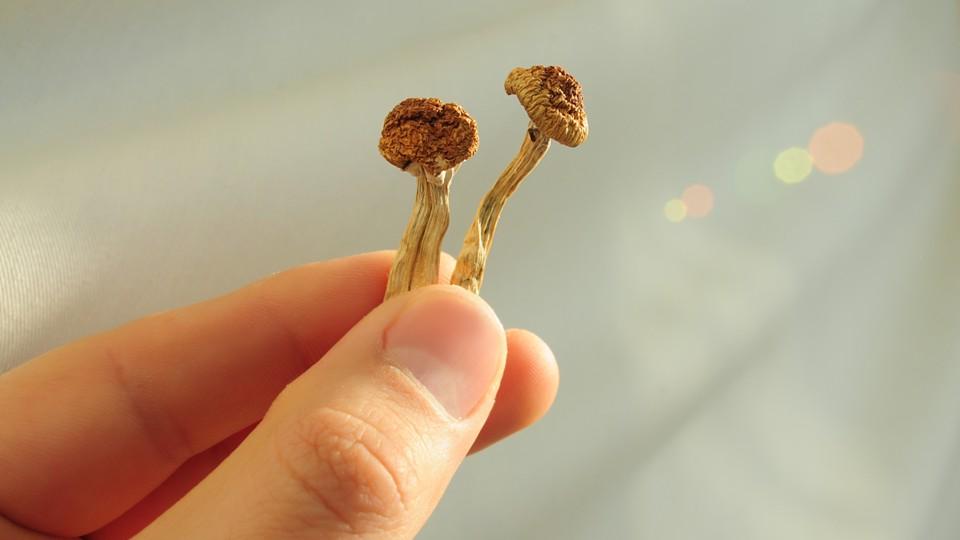
Helus' psychedelic drug DMT 'could help treat depression'
A psychoactive ingredient found in ayahuasca, a brew used in shamanistic rituals in South America, has shown promise as a treatment for depression in a phase 2a trial.
In the study, 34 people living with moderate to severe major depressive disorder (MDD) were treated with one or two intravenous doses of a synthetic form of dimethyltryptamine (DMT), in combination with psychological support.
The psychedelic-assisted therapy achieved a quick reduction in depressive symptoms with effects that lasted months after dosing, according to the investigators, who have published their findings in the journal Nature Medicine.
The drug – called SPL026 – was originally developed by UK firm Small Pharma, which was acquired by Canadian firm Cybin in 2023. Cybin has since been renamed Helus Pharma and is developing novel serotonin agonist drugs based on both DMT and psilocybin, the psychoactive ingredient in magic mushrooms.
In the clinical trial, half of the patients received two doses of DMT, spaced two weeks apart, while the other half got one dose of placebo followed by the psychedelic. Patients and staff were blinded to the first dose, but all knew they were getting the active drug at the second visit.
All told, 28 patients received both doses, and those who got DMT showed a statistically significant 7.35-point reduction in depression scores measured using the MADRS scale compared to the placebo group after two weeks.
Secondary outcome measures, including the MADRS score at one week, were also significantly better with DMT, and the effect of the drug was sustained for up to three months, according to the authors, led by Dr David Erritzoe, a psychiatrist at Imperial College London (ICL).
However, there were some anomalies in the data, including that people who had received one dose of placebo and one dose of DMT had fewer symptoms than those who had received two doses of DMT after 14 weeks' follow-up.
The researchers said that DMT's efficacy seems to be dependent on the intensity of the acute psychedelic experience it generates, working better in those who saw the most vivid effects.
While these are early-stage findings, they suggest that DMT could potentially provide similar therapeutic benefits seen with other psychedelics used to treat MDD, such as psilocybin or ketamine.
One possible advantage of DMT is that it is short-acting, with effects lasting only minutes, rather than hours, which could offer similar benefits at a reduced cost and with a comparable safety profile.
"We have shown that a single DMT experience of just around 25 minutes duration is safe, effective, and durable, with effects comparable to other promising psychedelic treatments often requiring much longer treatment sessions," said Erritzoe.
"Although such early trial results should always be interpreted with some caution, they hold great promise for DMT therapy as a potential treatment for clinical depression."
Commentators on the study said it was well-designed, but affected by the perennial issue involving psychedelic trials – the difficulties in blinding placebo and active groups when there are obvious psychedelic effects with the test substance.
Prof James Stone, a psychiatrist at Brighton and Sussex Medical School, said the study "gives the first suggestion that DMT might be useful as an antidepressant agent," and is from a respected research group.
He added, however, that it is "likely that participants in these studies will have a particular belief in the likely benefit of the psychedelic experience and so there will be a large expectation effect, which will translate into a large improvement in symptoms not directly related to the drug effects."
Another company developing a psychedelic therapy for depression, Compass Pathways, is due to report phase 3 results later today with its psilocybin-based COMP360 candidate in patients whose MSS is resistant to conventional treatment.