Monarez: Kennedy has plan to change child vaccine schedule

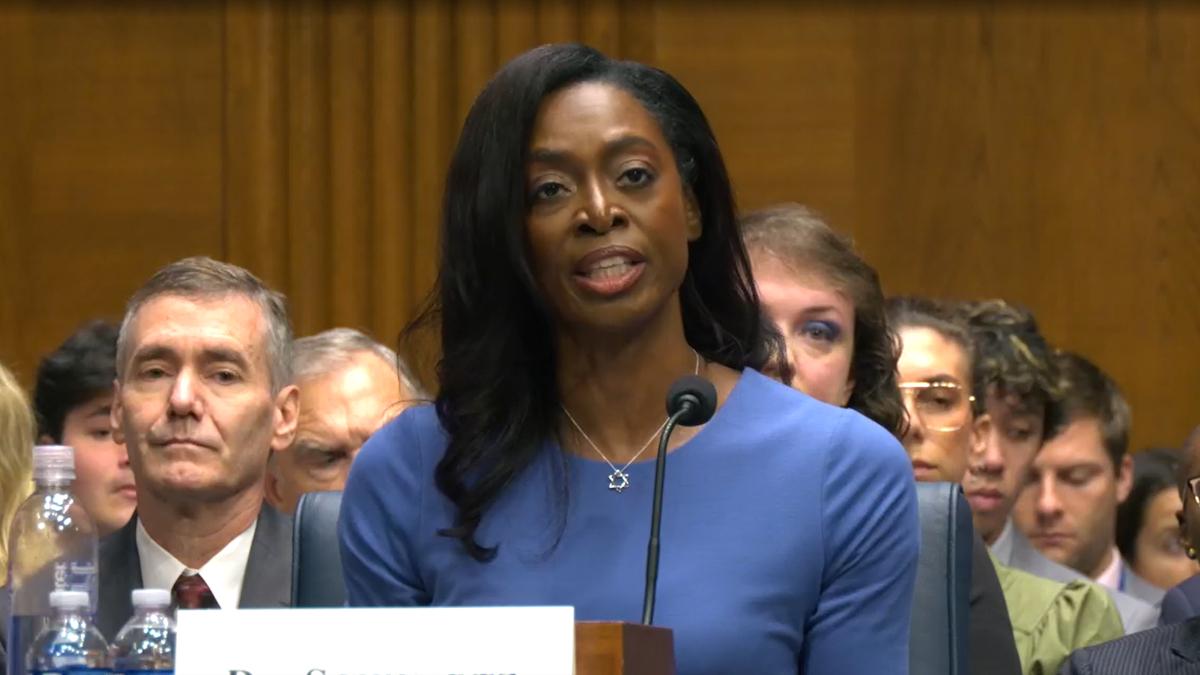
Dr Susan Monarez told lawmakers today that Health and Human Services (HHS) Secretary Robert F Kennedy Jr said he planned to make changes to the vaccination schedule for children in the US – before ousting her from the role of CDC Director.
In testimony to the Senate Committee on Health, Education, Labor & Pensions (HELP), Monarez said that Kennedy indicated he had said a change to the schedule is "going to happen" this month, had discussed changes to the schedule with President Donald Trump "every day," and that she "needed to be on board with it."
She further claimed that Kennedy indicated he had no data or science to back up changes to the schedule, but had told him that she would be "open to changing childhood vaccine schedules if the evidence or science were supportive. He responded that there was no science or evidence associated with the childhood vaccine schedule, and he elaborated that the CDC had never collected the science or data to make it available related to the safety and efficacy."
HELP Chairman Sen Bill Cassidy responded: "To be clear, he said there was no science or data, but that he still expected you to change the schedule?" Monarez responded that that was correct.
Monarez – who was the first CDC Director to require Senate confirmation – was fired after less than a month in the role. At today's hearing, she repeated her assertion that she lost her job because she refused a request by the Secretary to pre-approve recommendations by the CDC's Advisory Committee on Immunization Practices (ACIP) – without being presented with evidence for them – and to fire career CDC officials without cause.
She also said that she had been ordered to discuss CDC policy and personnel decisions in advance with political staff at the agency, not to speak directly to Senators, and that Kennedy said he had spoken to the White House "several times" about firing her.
She was described by Kennedy as a "public health expert with unimpeachable scientific credentials" during her nomination, but after she was ousted, he branded her "a liar" and "untrustworthy," and denied in testimony before Congress that he had asked her to rubber-stamp ACIP decisions.
Monarez was joined in front of the committee by Dr Debra Houry, who resigned as chief medical officer of the CDC after Monarez was fired, who indicated that at no point since taking office has Secretary Kennedy been briefed by scientific experts at CDC, and is alarmed that vaccine recommendations are now being made by political staff, rather than scientists.
She also said that she had been forced to respond to false statements made by Kennedy about vaccines, including that "vaccines have foetal parts," and was deeply concerned that CDC had learned of major policy changes on COVID-19 vaccination only after Kennedy disseminated on social media posts.
Both Monarez and Houry told lawmakers they feared that Kennedy's action at the HHS and vaccine ideology would lead to a resurgence in potentially serious but preventable diseases like polio, measles, diphtheria, and whooping cough, and make it harder to respond to any emerging pandemic threats. Houry also said she believed that Kennedy should resign, something that has also been called for by medical organisations, as well as federal staffers.
The testimony comes the day before a much-anticipated meeting of the ACIP is due to take place. So far, the proposed recommendations have not been disclosed in the draft agenda (PDF), but speculation is growing that they may include removing the advice for a hepatitis B vaccine at birth and advising against the use of a new combined MMR and chickenpox vaccine.
Cassidy – who was a practicing hepatologist before taking public office – gave a strong defence of the HBV vaccine, pointing out that, if a child is infected due to transmission of the virus during birth, in more than 90% of cases they develop chronic lifelong infection, placing them at risk of cirrhosis and liver cancer.
Before 1991, as many as 20,000 babies were infected with HBV in the US, he said, and after the vaccine was introduced for newborns, that fell 68% in a decade, and now the number of cases each year is fewer than 20.
"If the recommendation goes away, and a parent does want the vaccine, insurance will no longer cover it free of charge and [they] will be forced to pay for it out of pocket," said Cassidy, before closing the hearing.