FDA relents and will review Moderna's flu shot

Moderna confirmed this morning that the FDA has had a change of heart on the marketing application for its influenza vaccine mRNA-1010, and will now start a review.
There was shock last week when the US regulator sent a refuse-to-file (RTF) letter to Moderna, saying that the company had not used a suitable comparator group in the main clinical trial supporting the filing.
According to the letter, Moderna should have used a higher dose of the comparator vaccine used as a control in its study of mRNA-101, as that would be the usual practice in some of the older patients, aged 65 or more, enrolled on the trial.
In its new update, Moderna said that it had held a meeting with the FDA's Center for Biologics Evaluation and Research (CBER) and agreed on a "revised regulatory approach" that has allowed the review to start, with an action date of 5th August.
The solution is a new filing seeking full approval for use of the vaccine in people aged 50 to 64 – a cohort in the study for which the comparator vaccine dose was appropriate – alongside a bid for accelerated approval in the 65 and over age bracket. Accelerated approval would allow mRNA-1010 to be used in the older population while Moderna generates additional clinical evidence to support the shot's efficacy.
The company said it now hopes to have the vaccine available for all adults aged 50 and over in the US in time for the coming 2026/27 flu season.
The RTF was greeted with dismay by vaccine developers, amid fears that it was a symptom of an increasingly hostile environment at the FDA and HHS for new vaccines, particularly those based on mRNA, which have had their safety and efficacy questioned and federal funding cut under HHS Secretary Robert F Kennedy Jr.
In clinical trials, mRNA-1010 was shown to be 26.6% more effective than the comparator flu shot in adults aged 50 years and older. mRNA-based flu vaccines, which can be produced rapidly, have the potential advantage of more precisely matching circulating strains.
"We appreciate the FDA's engagement in a constructive Type A meeting and its agreement to advance our application for review," said Moderna's chief executive, Stéphane Bancel.
"Pending FDA approval, we look forward to making our flu vaccine available later this year so that America's seniors have access to a new option to protect themselves against flu," he added.
mRNA-1010 is also under regulatory review in the EU, Canada, and Australia, with further filings planned in 2026, according to Moderna.
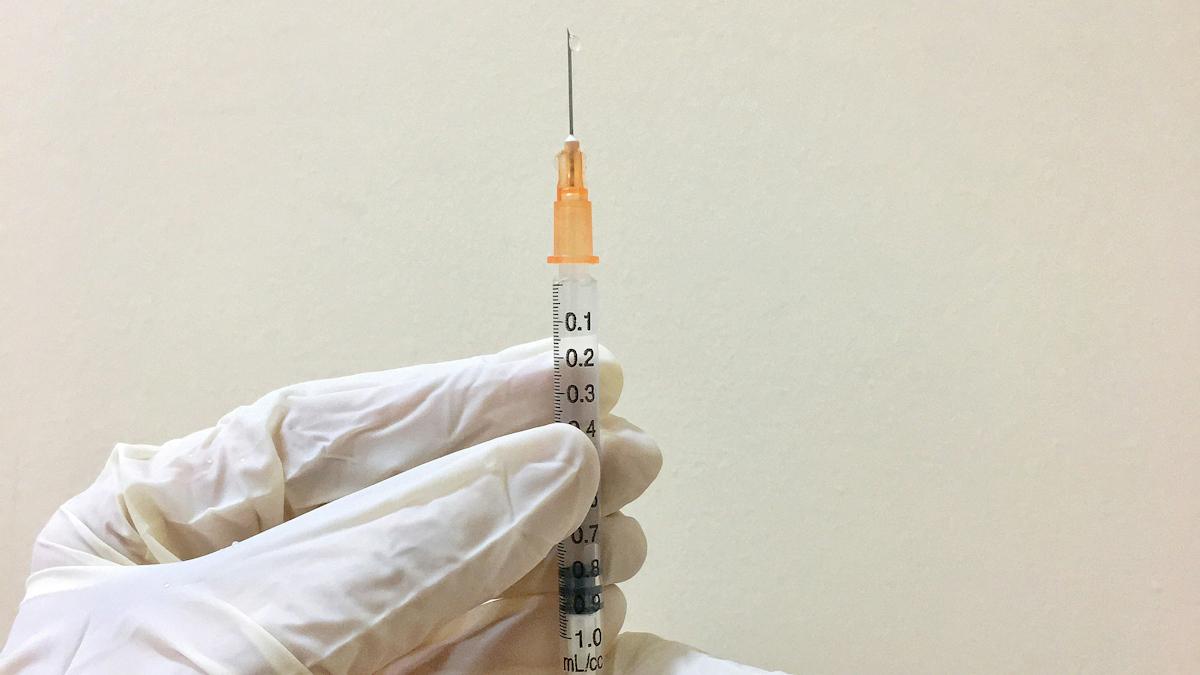
Photo by marianne bos on Unsplash