FDA launches pilot programme to boost US manufacturing
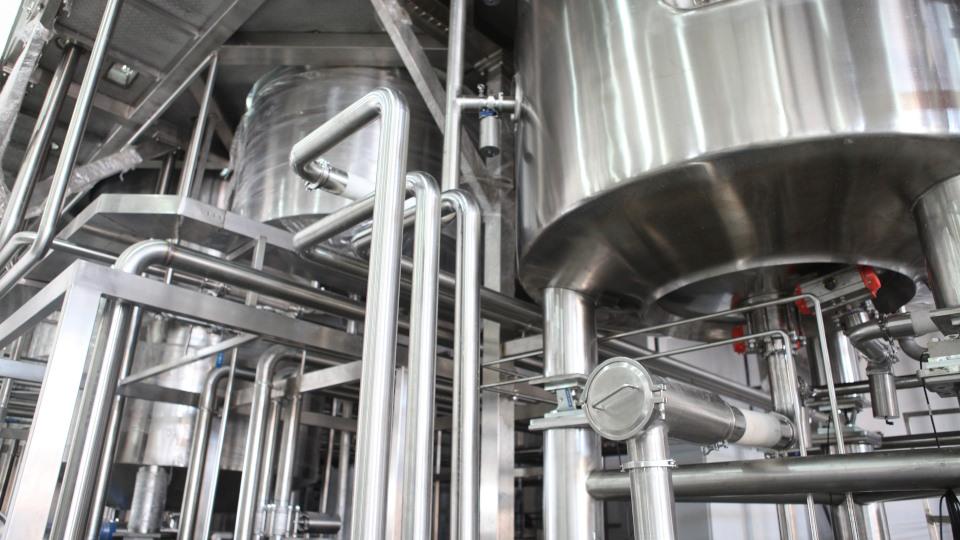
The FDA has started accepting requests to participate in its PreCheck pilot programme, designed to make it easier and quicker for pharma companies to set up manufacturing facilities in the US.
The regulator said that it will select a first group of pharma facilities this year based on their relevance to "national priorities, " which include reducing the reliance of the US medicines supply on imported finished drugs and raw materials like active pharmaceutical ingredients (APIs).
Among the criteria for selection will be the types of products being made, the phase of facility development, the timeline to produce medicines for the US domestic market, and innovations in facility development, said the FDA.
First announced last summer, PreCheck will introduce a two-phase approach to getting approval for new production sites. The first is promising to provide quicker responses from the agency on start-up tasks like plant design, construction, and pre-production, while the second is predicated on speeding up reviews of the chemistry, manufacturing, and controls (CMC) section of new facility applications, through greater interactions with the agency.
In another sign of the US retreating from decades of globalisation of the pharma industry, FDA Commissioner Marty Makary said in a statement that, "after 35 years of globalists taking pharmaceutical manufacturing overseas, the FDA is taking bold steps to bring it back. "
He added: "The PreCheck programme is one of several powerful incentives we are providing to make the US pharmaceutical manufacturing sector more resilient and competitive. "
Pharma companies have announced massive investment programmes in the US, many worth tens of billions of dollars, after being threatened by President Trump with tariffs on medicines made elsewhere. Eli Lilly, for example, has just announced the location of its fourth new facility in the US in a $27 billion investment drive.
Precheck is one of the measures designed to make those programmes easier to implement and reward investors, along with others such as fast-track reviews for generics tested and made in domestic facilities and a controversial priority voucher scheme for medicines deemed to be of national priority, cutting their review time from 10-12 months to a few weeks.
Analysts have suggested that PreCheck could be a major boost to smaller pharma companies, which have a high exposure to risk when embarking on expensive facility investments, by reducing regulatory uncertainty and helping to offset their lower regulatory affairs capacity when dealing with the FDA compared to larger groups.
Photo by Crystal Kwok on Unsplash.